A Balanced Approach to Wellness!

Posts tagged ‘Energy Guidance Complete’

Overcoming the immune system decimators
Support

The immune system is designed to stay functional, but modern society provides too many ways to sabotage it. In the post “Immune system decimators”, the decimators are listed, and some of them are discussed in later posts:

Environmental hazards that decimate the immune system

More about immune system decimators

Immune system decimators, exploration continued

If you want to know what to do to overcome the destructive work that can be done to your immune system, read on…

Here are ten must-dos to keep your immune system functioning properly:

  • Food first:
    Less sugar, more salads. Less white flour, more lentils. Less margarine, more water and soup. Less processed meats and cheeses, more seeds. Less soft drinks, more whole grains.
  • Environmental hazards:
    Switch to natural cleansers and remove cleaning products that contain ingredients listed in the environmental hazards post. Limit dry cleaning. Keep smartphones and smart devices farther from your body. Avoid cigarette smoke and cut back if you smoke. Use natural beauty products. Avoid sunscreen products that are not safe.
  • Sleep:
    Each person needs to understand his or her sleep needs and be mindful to fulfill them. (There are other blog posts about sleep.)
  • Trauma:
    Working through past traumas is very important. When the current time is traumatic, steps to handle the trauma are very important.
  • Injury from drugs:
    Carefully check labels of prescription and nonprescription drugs to be aware of side effects and possible contraindications. Addictions are difficult to handle alone and require resolve and support from others: for addictions to legal or illegal drugs, aim to get help.
  • Loud sounds:
    Loud sounds are detrimental to the immune system, especially for children. Keep this fact in mind as you live your life.
  • Alcoholic beverages:
    Drinking alcoholic beverages in moderation and at a slow pace has little effect on health, unless there are any of these circumstances: tendency towards addiction in the family, when autoimmune conditions are suspected or confirmed, when overconsumption of sweets or insulin resistance are occurring, when alcoholic beverages are forced on a person who doesn’t want them. Alcoholism, like addiction to drugs, is difficult to handle alone.

There are more ways to build up the immune system; however, the must-dos listed above have a very big effect.

Note: This information has been spiritually received.

Immune system decimators, exploration continued

older man smoking

In the blog post, “Immune system decimators”, the major things that decimate the immune system are listed. Today we’ll find out about a two of them that are surprisingly related.

Let’s look at: 7. Trivialization of bodily functions  (includes ignoring signals to urinate and defecate) and 9. Drug-related injury  (includes damage from cigarettes, prescription and nonprescription drugs, and  improper use of drugs). Each of these causes are partially within a person’s control and partially not.

Trivialization of bodily functions can be taught or self-discovered. People who feel that they are too busy to attend to bodily functions have self-discovered this behavior. People who were taught as children that bodily functions are unimportant or negative have less control of their destructive behavior. The impact on the immune system depends on a person’s age when trivialization of bodily functions starts to be a way of life. Over time, the immune system is more and more impacted and it can eventually give up. Taking care of bodily functions is of utmost importance for balance and well-being.

People choose to use drugs for many reasons. Sometimes drugs are prescribed to them by doctors. Sometimes a friend supplies them. Sometimes a person searches them out. Sometimes societal pressure convinces people that the drugs are a way of life. Whatever the reasons for using drugs, their impact on the immune system is the same. If the drug is taken irregularly, its impact on the immune system is dependent on the person’s age and emotional state. Chronic drug use, like trivialization of bodily functions, impacts the immune system and causes it to give up.

Once the immune system has been decimated by drug use that is chronic or excessive or by extended trivialization of bodily functions, the body cannot protect itself from invading viruses, bacteria, fungi, and protozoa. Internal gene-related disturbances are usually not triggered by these types of disturbances, unless fear is present and is chronic or overly strong.

The immune system requires a functioning framework in which to handle its duties. External decimators, like drugs, and internal decimators, like trivialization of bodily functions, break the framework. The immune system simply cannot handle the onslaught of destruction.

See also “Environmental hazards that decimate the immune system” and “More about immune system decimators”.

Note: This information has been spiritually received.

More about immune system decimators

Cecil the lion

In the blog post, “Immune system decimators”, the major things that decimate the immune system are listed. Today we’ll find out about a few of them that are related.

From the list, 2. Trauma that is physical and emotional which overwhelms the body and 4. Holding onto perceived injustices are closely related. If 8. Fear is involved with either of them, their effects on the immune system are more devastating.

The immune system is meant to keep our bodies protected from viruses, bacteria, funguses, protozoa, wounds, and criticism. The immune system also helps prevent gene-initiated diseases and syndromes.

# 2. When a traumatic event occurs, the body can be resilient or can store the traumatic memory. Traumas can wash through a person and leave little effects or they can imbed reminders in organs and systems in the body. These reminders swerve functionality, which then changes the ways in which the body handles onslaughts of germs. After a trauma, a person can be more susceptible to illness. If the trauma left reminders, the susceptibility to illness can continue for years.

# 4. Holding onto perceived injustices is surprising in its ability to unhinge the immune system. People face disappointments throughout their lives, and people who remember and regurgitate the disappointments are lowering their body’s ability to maintain a strong immune system.

# 8. Fear is a difficult emotion. It is natural, and yet, it sometimes overtakes living. A fearful event has repercussions in the body, but usually the fear instigates protective responses. If the fear is chronic, the protective responses slowly weaken the immune system. If fear is present during a traumatic event, the body can “rebel” and various buried syndromes can ignite. For example, if a person experiences a trauma and feels VERY fearful while the trauma is occurring, gene activation can occur and possibly trigger an autoimmune response.

Fear that accompanies holding onto perceived injustices is less destructive, but keeps the immune system lowered.

As with the other decimators of the immune system, damage depends on the person’s age, current health status, and emotional stamina.

Note: This information has been spiritually received.

Environmental hazards that decimate the immune system

caution sign

There are environmental hazards that wreak havoc on our immune systems. They inhibit the modules of the immune system from proper communications and functionality so that the immune system cannot perform its important work of protecting our bodies from viruses, bacteria, funguses, protozoa, wounds, and criticism.

Environmental hazards can be the most severe disrupters of immune system functionality. Here are some types of environmental hazards that cause trouble (in no particular order):

  • household products that contain sodium hydroxide, diethanolamine, stearalkonium hectorite, or sodium dodecylbenzene sulfonate.
  • asbestos
  • arsenic, especially from cigarettes and arsenic trioxide in some cancer treatments
  • pesticides that contain ammonium or arsenic trioxide
  • nitrogen oxides that are in exhaust fumes
  • formaldehyde and polyfluoroalkyl substances(PFAS) in clothing
  • smartphone metals
  • calcium oxide

These immune-system decimators attack the immune system with varying degrees of damage depending on the person’s age, current health status, and emotional stamina.

To learn about other immune-system decimators, see the blog post “Immune system decimators”.

Note: This information has been spiritually received.
Immune system decimators

headache

***IMMUNE SYSTEM*** 

IMMUNE SYSTEM! These two words should appear in all caps and with marquee emphasis! The immune system keeps our bodies protected and strong. Without protection and strength, our bodies can succumb to viruses, bacteria, fungi, protozoa, wounds, and criticism.

The immune system prevents the onset of diseases and aging-related symptoms. When the immune system is strong, autoimmune syndromes are thwarted (before they start), gene-initiated attacks are prevented, emotional turmoil is lessened, and minor ailments are avoided. The immune system, when it is functioning properly, is that powerful!

Here are the major things that decimate the immune system’s ability to protect and strengthen our bodies. They are presented in their order of severity.

  1. Exposure to environmental hazards
  2. Trauma that is physical and emotional which overwhelms the body
  3. Sleep that is too little for the person’s age
  4. Holding onto perceived injustices
  5. Constant criticism
  6. Inadequate nutrition (includes inadequate intake of water)
  7. Trivialization of bodily functions (includes ignoring signals to urinate and defecate)
  8. Fear
  9. Drug-related injury (includes damage from cigarettes, prescription and nonprescription drugs, and  improper use of drugs)
  10. Exposure to overly loud sounds (children are especially affected)
  11. Alcoholism
  12. Exposure to people who are ill

Each of these immune-system decimators attacks the immune system with varying degrees of damage depending on the person’s age, current health status, and emotional stamina. In combination, they can overwhelm and defeat the body’s ability to withstand them.

Note: This information has been spiritually received.
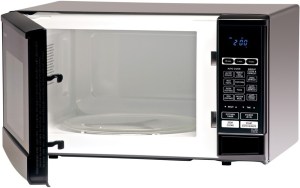
Q&A microwaves

microwave

A friend has asked me to ask Spirit about the microwave. Here are her questions and Spirit’s answers. The list of questions isn’t exhaustive, so if you have questions please add them in the Comments.

Is it ok to use a microwave?

The answer is neither yes or no. A microwave is a tool in the kitchen and it depends how people use it.

If so, what are the recommended guidelines?

  1. In general, any food that is cooked in the microwave for over 10 minutes (without stopping the microwave in the middle) will not be cooked evenly and can cause burns if eaten immediately after the microwaving.
  2. If the door is damaged in any way, the microwave should no longer be used.
  3. The microwave should be placed where children under the age of seven can’t open it, but not so high that food containers are difficult to insert and remove.

Will the food be less nutritious?

No.

Is it OK to use one for heating (as opposed to cooking)?

Yes.

What about flash cooking vegetables?

Vegetables cook better on the stove top when the heat is high and the cooking time is short.

Is it OK to use plastic containers in the microwave, as long as the food contains no oil? Is it OK to cover food with a plastic cover? a beeswax-infused cover?

The best containers for microwaving are glass. The best covers are microwave approved (from a reputable company), paper, and not old (old means in terms of usage: no scratches or tears). No to beeswax coverings and plastics that can melt in a dishwasher.

Is it important to stand some distance away while it is working?

Several factors affect the distance to stand. Older people who are not ill can stand next to it, while ill people or children should stand farther away. The issue is not radiation, but of vibrations that affect blood flow and digestion.

Is it OK to cook porridge in the microwave?

Yes.

How often should one have the MW checked for excessive radiation?

If the microwave is damaged so that the door doesn’t close completely, get a new microwave.

The second most important step in a good night’s sleep

sleep

Sleep is more important that most people think. It isn’t a waste of time or dreaded event. It is the time when our bodies repair, restore, recharge, and reconnect (through dreams). Nighttime sleep is the most important sleep, because our bodies were designed to rest at night for a length of time.

The importance of extended nighttime sleep cannot be overstressed. We don’t have to sleep the entire night without waking up in the middle for the sleep to be successful. We can even wake up five, six, seven times! The main thing is to let the sleep atmosphere remain, and the body will do its repairing, restoring, recharging, and reconnecting.

If you have trouble falling asleep or returning to sleep after awakening in the middle, keep your eyes closed and lie in bed quietly. If you need a bathroom break, take it and then return to bed immediately and close your eyes. Your body will continue its important nighttime work. If you turn on a light, look at your phone or computer, watch TV, read a book, or talk, the nighttime work ceases. Even if you sleep later the next day, the interrupted sleep will limit the nighttime work that was meant to be done.

If your work forces you to stay awake at night, aim to have uninterrupted sleep during the day so that your body can do its restorative work. The repair, recharging, and reconnection work might not be as thorough, but some will take place.

Parents of infants and young children often don’t get uninterrupted sleep. For them, making sure to eat well can help the body stay balanced.

Note: This information has be spiritually received.

Filling this time with life-uplifting activities

renee-ein-gedi

This coronavirus time in which so many of us are in isolation and are self-distancing can be a time of self-discovery, if we are open to ourselves. In the book Exploring Energy Guidance Complete, My Journey, there is a section named “Life Uplifted”. In this section, I explored things that are life-uplifting for me. The section explains:

Life-uplifting is a term that has so much meaning, and it can guide us if we let it. Choosing activities by asking “Is this activity life-uplifting?” could help differentiate between wasteful time-wasters and life-uplifters. What is a life-uplifting activity?  Each person answers this question differently depending upon soulful likes and abilities…Identifying them can help keep focus when distractions overcome prudent choices.

When I wrote the book, I spent a lot of time figuring out activities that are life-uplifting for me. Now, I get distracted watching the news and waiting to see the latest headlines. I’m writing this blog post to help others explore their own life-uplifting activities and to remind me of mine. Here are some of mine that I listed in the book:

…writing about Spiritual Presence, connecting people to balance and healing…food: buying vegetables and fruit full of freshly harvested vitality at the local farmers market, preparing healthful and delicious meals for myself and for family and friends, appreciating the food, savoring the aroma and appearance of food prepared by others; dancing: with my dance-class women, at live music performances, during Energy Guidance Complete sessions, alone while listening to music that is lively or meaningful; singing with others and alone; walking: walking along lovely plant-filled paths, walking with family and friends, walking with my dog, walking to get somewhere and walking to be energized; hugging family and friends; experiencing intimacy with my husband; watching my children evolve; laughing and talking with loved ones and with non-acquaintances; …participating in community activities and celebrations; experiencing weather and seasons; crocheting blankets for my loved ones; planning family and community gatherings; …volunteering at local and regional events; …reading; participating in religious observances with my family and with my community; smiling; listening; empathizing; caring for my garden, my home, other people;  visiting friends and family, the sick and the grieving; creating:  crafts, atmospheres, and relationships; caring for my health and safety;  cleaning public areas; appreciating everything: family, friends, community, conveniences, natural wonders, challenges, opportunities, and inherited skills and values; keeping myself focused on the activities that balance and uplift me.

I hope that you with take the time to explore your life-uplifting activities!

Note: This blog post has been spiritually inspired.

Immunity from coronavirus?

I was asked to ask Spirit if it’s true that once people have coronavirus they are immune from contracting it again. I understand that I can answer this question and so I’m writing it now.

The answer is “The chance of contracting the specific virus again is 50%.” There are several versions of the coronavirus circulating, because it has altered on its journey around the world. In each country, there is more than one version, although they are similar in their structures. Some versions create more difficult symptoms.

A person who has the most potent version is not immune from the less potent versions. A couple of the less potent versions provide immunity from all the other versions.

Note: This information has been spiritually received. It is not scientific theory.


Eating during the time of social distancing and isolation

foods made from scratch

Being at home during this time of social distancing and isolation is an opportunity to adjust eating habits and explore food possibilities. It’s an opportunity to move away from eating out–and even from take-away–and turn to food preparation, preparation of food at it’s best!

The first step is to understand the importance of what we eat and how we eat it. Here’s a blog post to begin your understanding: “The year 2020 begins with Food 20/20“. (I’m currently working on a book to expand on the Food 20/20 plan.)

Besides thinking about the food, we also need to think about the atmosphere in which we eat. Some of us are in isolation alone, others are with family, and some are with friends.  If you’re eating alone, please keep this information in mind:

“Eating alone is balancing as long as the eating is thorough, nourishing, and done while sitting. If the eating is rushed or delayed or inadequate nutritionally, then the eating causes imbalance. Reading while eating is not detrimental unless the material being read is upsetting. Watching TV or the computer while eating is not detrimental unless the material being watched is upsetting or worthless. Eating while standing at the refrigerator or elsewhere in the kitchen causes imbalance in the emotional and spiritual levels.”

If you’re eating with family members, please keep this information in mind:

“Eating with family can be as nourishing as eating with friends, when family members are considerate. When a family member is unkind during a meal, the eating can cause imbalance because of the emotional state of the body during food intake. Consistent discomfort at mealtimes can lead to eating disorders and other emotional/ spiritual problems. In general though, family meals are very important and should be prioritized.”

The quoted information is from the book Vitality!— How to Create a Life That Is Healthy.

Staying in the home more is an opportunity to prepare food yourself. The benefits of cooking from scratch are explained in this blog post “The health benefits of food from scratch“. There are many recipes online to try. I have a food blog with nutritious and yummy recipes: Yumtritious Eating!

This time of social distancing and isolation can be confusing and overwhelming. Staying in good health will help us all get through it. The first step to good health is healthful eating. If you can avoid sugar and sugar substitutes, your health will be more balanced. This blog post can help you understand the different types of sweeteners: “The Facts: Sweeteners from natural to laboratory-made, Best & Worst“.

[I’m currently in isolation with my husband after our recent return from a trip abroad. The picture above shows some of the foods I’ve made since returning home. It’s hard to be away from my friends and clients, but at least I’m having fun in the kitchen!
Picture, clockwise from left: rye flour-seed crackers, roasted beets, hummus, zucchini-potato soup, and mung bean sprouts.]

Note: This information has been spiritually received.

A chance to see the world anew because of quarantine living

David statue-trees

Staying at home provides an opportunity to discover the world nearby. Here’s a poem that reminds us of the beauty located close to home.

Loveliness for the Eyes

The statue of David.
Standing in its grandeur,
So tall and arresting,
Its beauty is breathtaking.
To see it
Requires entrance fee
to the museum,
Plus a visit to Florence.

The tree across the street.
Standing in its grandeur,
So tall and arresting,
Its beauty is breathtaking.
To see it
Requires opening
one’s eyes
To the masterpiece at home.

Unfolding book cover

This poem is from the book of poetry Unfolding: A Collection of Wisdom Poetry, which is available through amazon.com.


Spending the effort on Your health

Post 17-loiving self

Investing in your health is a wise move. Taking the time to know your body and its needs is smart. Learning about healthful living and natural healing is time spent appropriately.

Investing in your health is not expensive when you understand the basics of good health. Here are the basics:

  1. Drink water that is free of additives such as sugar, sugar substitutes, or rust from old pipes. Water from the tap is good, unless the water is from a polluted source.
    **Spend the time to learn about the water source in your area.
  2. Notice how you feel when you wake up in the morning without an alarm. The rested feeling is your body’s way of teaching you the amount of sleep it needs.
    **Spend the time to understand your body’s sleep needs and honor the importance of sleep.
  3. Invest time every day in relationships. Family, friends, and acquaintances add a dimension to life that is irreplaceable.
    **Kind words are free, as are smiles, hugs, and caring gestures. Use this free currency as often as possible.
  4. Take time to learn about nutrition.
    **The food you put into your body every day either fuels your health or leads to illness and decay. Choose health!
  5. Expand your heart, your intangible heart. Heart-felt living brings comfort and confidence.
    **Learn your body’s reactions to being helpful. Do you feel warm and friendly when you think about animals? How do you feel when you think about the sea or the sky or flowers? Remember how you felt when people were kind to you. Consider the things that really comfort or excite you, and explore ways to bring them into your life.

—————————

More can be done to live well, but the basics are a smart place to start. Here’s to good health and investing wisely in it!

Note: This information has been spiritually received.

1 2 3 coronavirus

Ferocity

Here is spiritual advice for proofing yourself against coronavirus, and other viruses that are circulating now.

1. How to stay virus-proof

  • Avoid people who are ill (not just with coronavirus), people who are emotionally draining, and people who are unimportant to you.
  • Stay physically balanced: sleep the right amount for you, stay hydrated, eat nutritionally balanced foods, avoid sugar and sugar substitutes, and breathe deeply throughout the day.
  • If you have illnesses that require medical intervention, eat extra nutritionally rich foods and practice physical routines that include deep breathing and meditative states.

2. How to be carrier-proof

  • Viruses circulate constantly, and people who are well can carry the viruses and transmit them. Besides doing all the actions listed above, during the virus season, aim to feel rested.

3. How to protect and illness-proof susceptible people

  • Exposure to viruses can cause those who are susceptible to succumb to the viruses intensely. To lessen the effects of the viruses, intensive liquid intake, protein intake, and sleep can help.
  • Exposure to viruses can immediately weaken some who are susceptible. These people require care by virus experts.
  • Regular exercise that is not intensive and spiritual practices can lower the effects of viruses if nutrition, sleep, and emotional state are balanced.
  • Being in a susceptible group does not guarantee intense illness or death. Emotional state is extremely important to combat viruses. Fear intensifies the effects of viruses. Gratitude lessens the effects.

Note: This information has been spiritually received.

Objectivity–Is there such a thing?

Continue living

Objectivity exists in the world of the spirit. Subjectivity exists in the world of the corporal.

That “objective” is a word which is used to describe news or research or competitions or opinions is faulty. People are inherently subjective. Given that people are subjective in their thinking, the expectation that people or communications can be objective is misdirected expectation.

We all have opinions, ideas, thoughts, and reactions that are influenced by society, upbringing, and historical events. Our soul-given abilities, likes, and dislikes also influence our opinions, ideas, thoughts, and reactions.

From our birth, we are destined to see the world through a subjective, individualistic periscope. Our view is limited by design.

Note: This information has been spiritually received.
 

Sizing up the competition

heart-best friend-person

In the previous blog post, “The hidden conversation of hormones“, I wrote about the hormonal information that circulates around men and women. Today, Spirit is sharing information about another aspect of hormonal communication: the hidden sizing up of “competitors” by hormonal messengers.

The hormones emit signals that extend outwards from the body, usually from the solar plexus area to the abdominal area near the bladder. These hormonal signals are intangible emissions that notify about the person’s health status and hormonal levels. The signals are picked up by other people through receptors that are located throughout the body. The receptors are aided by intuition and the senses of sight and smell.

When men are in the vicinity of other men, their receptors can usually understand the state of their “competition” without interference. When women are in the vicinity of other women, their receptors have more difficulty understanding the state of their “competition” because of the various creams and hormone changers (birth control pills, estrogen pills) that women are given.

The sizing up of competition brings awareness of choices for coupling. Visual sizing up is not as accurate as hormonal sizing up. Physical appearance has influence, but the hidden influence from the hormonal communication can affect actions even more. The hormonal information provides information about one’s standing and confidence.

There are other factors that inhibit the accurate transfer of hormonal information. These factors are new and have come about because of technology. The hormonal signals may be emitted from areas other than the area between the solar plexus and abdomen because of interference from “smart” devices that are kept too close to these areas. Smart devices that are worn constantly interrupt the hormonal signal emissions more than the devices that are used intermittently. Biologic drugs affect hormonal signal emissions and receptors. The overuse of plastics also affects the transmittal of hormonal information.

Sizing up the competition is no longer accurately accomplished in modern societies. Losing the ability to accurately compare oneself to the competition has led to misjudgment of personal awareness and of the competitions’ deliverables. Also, without sizing up the others, the natural development of connections is stopped. Some might say that this change is not a negative thing, but it defies the natural rules.

Hormonal input on our lives is. Our design is so. Allowing the hormones to give their input is wise.

Note: This information has been spiritually received.


The hidden conversation of hormones

males and females

As men and women circulate in society, their hormones send out information that cause heads to turn and eyes to size up others.

The intricate dance of hormones in the spaces where people mingle is formulated to produce coupling. This dance occurs at levels beyond our perception, and it is intended to push the human race onwards.

As people share crowded spaces or similar paths, their hidden conversations generate thoughts of sexual encounters and future coupling with a set partner. The generation of these thoughts change with age, but they remain until the body is too tired to take part.

The force of the hormones is powerful. It is reined in by societal restraints, but it fuels intrigue and unexplainable attractions. The force of the hormones is why people keep striving for connection.

Note: This information has been spiritually received.

Self-doubt, the internal killer

self-doubt

Self-doubt: a lack of confidence in one’s abilities, actions, decisions, motives, and character; a feeling of uncertainty about one’s appearance, manner, and performance; a catalyst for internal malfunction.

Self-doubt is the cause of many failures and capitulation. It fuels insecurity and non-effort. Self-doubt leads to inability to try new things or to improve skills. It has rings of effects, as a self-doubt about one thing leads to another as they circle larger and larger inside a person.

Self-doubt comes from early efforts that are mocked by others or from early efforts that cause injury or hurt feelings. It can spring from caregivers who discourage individual expression by a young child or who can’t understand a child who has a personality that doesn’t fit the family.

Internally, self-doubt meddles in the functioning of the body. It meddles with flows, secretions, and electrical impulses. It also slows or quickens processes that should be steady. Self-doubt creates stumbling blocks in life and in internal pathways. Self-doubt is a catalyst for slow erosion in the body.

To lessen the effects of self-doubt requires determination to overcome the stumbling blocks that were placed by others or by oneself. Recognizing one’s own contribution to self-sabotage is a first step, and then finding ways to overcome is next.

The effects of self-doubt can be reversed when the following things are done:

  1. Take the time to understand who you are. What are your likes and what are the things that draw you. Discover the types of views you like. Is it the beach or the hills, the desert or the flowers? Think about your senses. Do you learn visually, through trial and error, or from hearing the words? Think about your preferences in animals, colors, and sounds. In other words, learn who you really are!
  2. Consider goals you once had. Are they still relevant? Are they important to you now? If they are relevant and important, consider how to attain them and then consider actual steps. If you have completed step #1, you will be able to strive for these goals. If the goals are no longer relevant or important, take time to understand the goals that suit who you are now, and consider how to attain them.
  3. Spend time exploring your understanding of yourself, the understanding that has come from step #1. If you can build your life so that it includes your likes, the things that draw you, your sensory strengths, and your preferences, you will naturally move away from the self-doubt that was created when you were younger.

Self-doubt is a slow, steady, internal killer. It kills drive, feelings of attachment, and responsible actions. And it slowly, steadily kills the mechanisms that sustain health. Self-doubt is the killer that can be reformed, when the proper actions are taken.

Note: This information has been spiritually received.

Dreaded fears, a poem

No Sleep

Lurking in shadows
Lie worry and suspicion.
Double versions of
Dreaded fear.

Behind each ache.
Behind each pain.
Suspicion of illness,
Worry of death.

Dreaded fear and
Over-fretting focus.
Upstaging health,
Unsupporting well-being.

Focus on terrible
Is focus askew.
Waiting for disaster
Is waiting awry.

Constant worry
Is wasted effort.
Overshadowing suspicion
Is wasted time.

Lurking in shadows
Lie worry and suspicion.
Double versions of
Dreaded fear.

This poem is from the book Growth, which can be purchased through this link: http://a.co/fpl41JV.

Cover-Growth

Fight or Flight Anxiety

Post 114-aiplane window

Anxiety comes from one main source: emotional emptiness. Anxiety fills in the empty spaces when the emotions are out of balance because of uncertainty about the future or because of hormonal and sleep irregularities. One cause is physiological and one is not.

In general, when the cause of anxiety is physiological (hormonal or sleep related), a response will be “flight”: flight from the problem, flight from a relationship, denial of the anxiety, or denial of responsibilities. Flight can be actual leaving (a relationship, work, or community) or distancing emotionally.

The physiologically induced anxiety is relieved through focus on the causes: changing negative sleep patterns, curtailing unnecessary activities, reevaluating shift work situations, examining a lack of human contact, elevating the importance of sleep, reorganizing reality, and prioritizing nutritional deficiencies.

In general, when the cause of anxiety is uncertainty about the future, the response will be “fight”: resistance to offers of help, resistance to inner knowledge of solutions, fighting through instigation of arguments, fighting with oneself through self-harm, fighting with others through physical blows, struggling for dominance, quarrelsomeness, or protection of position. The “fight” response can be appropriate in cases in which aggression has been understood to be the only response, but not when aggression is chosen by default.

The anxiety from uncertainty about the future is relieved by awareness of uncertainty for everyone, by belief in the ability to function without knowing the future, by accepting the cycles of life, by prioritizing nutritional balance, and by focusing on supportive relationships.

Anxiety has fight or flight responses. Other negative states have different responses. See the blog post What’s up with “fight or flight”?.

Note: This information has been spiritually received.


What’s up with “fight or flight”?

Distracting colors

Are “fight or flight” our main responses to fear and stress? That’s what everyone says, but is that so? I’ve asked Spirit, because I want to know. Here’s what Spirit informs me:

People have built-in mechanisms that evaluate danger. (We can call them signals and pulls.) These mechanisms help us evaluate situations and feel how to respond. Our responses depend on many things: age, health status, physical impediments, mental breadth, hunger or thirst, breath capacity, emotional attachments, emotional memories, abdominal state, vision, fears, and awakeness. Besides these uniquely personal statuses, we are influenced by our family, neighbors, responsibilities, and desires.

When a situation requires a response, our bodies (intangible and tangible) must process a response that suits our personal statuses and our outer circle. If the outer circle (family, neighbors, etc.) has strong influence, then our response will be geared towards others. If our response is completely our own, then the personal statuses will force us to devise a response to suit our current situation. If we choose a response that doesn’t suit (for example, choosing to hide when we are too exhausted to move), our signals or pulls will usually join to give us the ability to pursue the chosen response.

Here are typical responses to fear and stress: hiding, lowering to the ground, pulling inwards to be physically compact, freezing in place, falling asleep, entering a shock state, denial, emotional displays (crying, sobbing, begging, anger), and confusion. And possibly, fight. And possibly, flight.  Fight and flight are two responses among many so that to speak only of fight or flight is an incorrect characterization of human response.

Each of the responses has a different effect on the body, some effects being more destructive than others. Stress that is handled through freezing in place or denial has differing effects than fight or angry actions. Stress that is denied can be more destructive than stress that is released through tears. Fear that is handled by hiding can be permanently installed in the body, while fear that is handled through entering a shock state can be forgotten. Each response yields a different effect on the body depending on the personal statuses and the forces of the outer circle.

Characterizing the effects of fear and stress as fight or flight is too broad. Each person is an individual response being, and no two people are alike.