A Balanced Approach to Wellness!

Posts tagged ‘Health’

The health effects of the latest technologies

smart gadgets

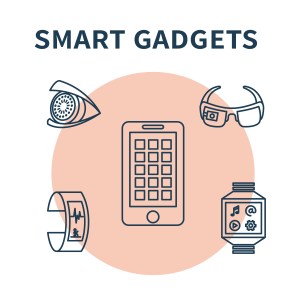
Research has begun to determine the effects of smart phones and other devices we use. The research will take time, because many of the health effects will only begin to appear in the next decade. Here’s what God has to say about the upcoming health effects:

People are creating new types of illnesses. The more they surround themselves with interference to their bodily functions, the more they change their body’s ability to know itself.

Ingested substances that replace the body’s ability to heal itself have been affecting health, and the new generation of these substances will cause changes to fundamental functioning in the body, but will not affect future generations—the changes will only be in the individual bodies.

The external changers [for example, smart phones, smart watches, activity trackers, and wearable computer glasses] will have different effects on the body, and the younger the age of initially using them, the more the changes will affect future generations. These external changers will create more tiredness syndromes, spinal pain, new forms of cancer, and cardiovascular malfunctioning. These external changers will also lower healing functioning.

Besides the effects of the ingested substances and the external changers, people who have sedentary lifestyles or have little exposure to nature will have additional health afflictions.

Health afflictions of the future will be those that are already known and new ones that will baffle the healing industry.

So everyone, there’s the information about smart gadgets’ effects on our health, with additional information about the effects of the new generation of medications, sedentary lifestyles, and lack of contact with nature.

The latest technologies are very attractive, but we have to consider their repercussions, especially on children. The next three blog posts will respond to this information with details about handling the new technologies.

EGC sessions with God: Is there a way to be fit?

shout

This question is broad and has different meanings depending on age, environment, and genetic influences. Fit at six is different from fit at sixty! Weather and proximity to nature affect fitness. Genetic predisposition to illnesses and unwellness influence fitness possibility. Birth defects affect fitness as well.

Nonetheless, this is a question I can pose to God. Is there way to be fit? Here is God’s answer:

“All animals have been designed to be functionally fit when they are well fed, well rested, and well toned. They require a home territory that is secure (to provide a place for proper rest and procreation) and challenging (to provide a place for using the instincts, intellect, and physical capabilities). Without supportive nourishment and home territory, animals will not be fit according to their design.

Humans who are nourished adequately, feel secure in their sleeping environment, have physical and mental stimulation and challenges, build comforting relationships, and listen to instinctive and internal messages, will be fit.

The ways to fitness are through satisfaction of all of those requirements. Each requirement is necessary for fitness actualization. Connection to the environment through focus on growing vegetation and concern for the other animals can overcome deficits of fitness and can contribute to life quality.

Fitness is a worthwhile pursuit for humans. It is a natural pursuit.”

When we are fit, we are living the design!

CONFUSION’s physical impact

Distracting colors

Confusion fills our lives, and some of us handle it better than others. Some of us get autoimmune diseases and some of us get psychological imbalances and some of us get cancer and some of us even get suicidal. The confusion is more destructive than we realize.

What is Spirit saying here? That confusion causes our self-destruction? Spirit wants us to know the role that confusion plays in our modern lives so that we can find ways to make them less confusing.

Modern life is filled with so much confusion, and it is getting more and more confusing as we achieve additional technological and societal advances. People today have so many choices, and the choices can overwhelm in a way that eventually translates into physical harm.

Consider the confusion in the lives of modern four-year-old children. Many children have too many toys, and having to choose what to play with can be confusing. There may be too many clothes in the closet, and choosing what to wear is confusing (nonetheless, children should choose rather than their parents). The children may go to play group, day care, or kindergarten, where the staff rotates, the number and temperaments of children is in flux, the foods offered are unfamiliar, and the choices of activities overwhelm and confuse. The afternoons and evenings can be confusing too, as the children navigate the relationships in the home—short tempers sometimes, inconsistent parenting, and tiredness. Happy times can be confusing too, as they are often filled with bending of the rules and stimuli that overexcite. Exposure to the world of smartphones and computers adds a confusion that children have never had to face—a confusion that will only be understood in about thirty years.

The confusion these children face daily can lay the groundwork for difficulty with choices, anxiety, and self-doubt. These emotional responses can cause malfunctioning in the systems that protect and nurture the body. The confusion maneuvers its way into the future lives of these unsuspecting children.

As for the rest of us past the age of four, confusion has become a subtle, and not so subtle, companion. Too many choices when choosing a career path, when planning a day, when choosing mindless time fillers and when feeding our bodies, overwhelm our ability to process information. Our bodies weren’t designed for all the stimulation that comes our way on a daily basis. The overstimulation over-occurring, day after day, is confusing for the body to process. When inadequate sleep, improper nourishment and regular use of stimulants tax the body, the confusion maneuvers its way in further, causing havoc and imbalance.

The confusion is the cause of many of today’s afflictions. It’s a hard source to blame, and an even harder source to study. It’s the modern source of new afflictions. Confusion binds with the other sources of imbalance, and dynamically increases their impact.

Confusion is confusing to understand. Spirit is sharing wisdom to help us open our minds to confusion’s place in our world. I’m very surprised. How about you?

Note: Like all the information in this website, the information in this blog post was spiritually received.

My farmers market haul

farmers market haul

Every Monday I head to the nearby, one-day-a-week, farmers market and buy beautiful produce. The vegetables and fruit I buy inspire me to prepare nutritious and delicious meals.

Today I was overwhelmed by the beauty of the produce I bought, so I arranged them on my table to take a picture for sharing. You can see how inviting the colors and shapes are (although some people might feel overwhelmed by the thought of cooking all that food!).

Before I put the produce away, I’ve separated out the orange-colored veggies to make Orange soup. The soup contains pumpkin, sweet potatoes and carrots, which provide the beautiful orange color. I’ll put this delicious and not-too-difficult recipe on my Yumtritious Eating website soon. We’ll make a spaghetti sauce full of onions, garlic, eggplant, and cauliflower (didn’t buy zucchini today). For dessert–fresh strawberries and pineapple! Yummy!!

I’ve written about the value of farmers markets in the past. See the post “Farmers’ market balance“. Buying fruit and vegetables when they are out in all their glory is so much more inspiring than buying them packaged in plastic and styrofoam. Whenever you can, head to your nearest farmers market and bask in the magic of the wonderful gifts from nature!

Cell health

celebration

Our cells require three things: a supply of readily-integratable food (broken down for the cells), “sleep”, and life force. Let’s look at each of these required components of cell health.

Life force

Life force is the desire to live, but it’s more than that. Life force includes the heart’s ability to pump blood—even when a person is brain dead! Life force has the ability to grow a person from infancy to old age, to sustain survival even when the body is encumbered by birth defects or genetic deviations, to withstand overwhelming environmental conditions, and to sustain life when the physical body is ready to give way but the person desires life.

Life force is incredibly powerful and stubborn.

Sleep

Cells rejuvenate and restructure continuously, but their work is mainly accomplished during periods of rest. The rest periods slow other bodily functions so that rejuvenation, restructuring, and recycling of cells can take place unhindered. Without regular resting cycles, the cells cannot function normally and they are opened to miscalculation.

Cell miscalculation can lead to cancerous growths, stunted growth, and health afflictions.

Food

The cells require nourishment. The more nutritious the foods taken in, the better the cells accomplish their tasks. Foods that are devoid of nutritional value add filler to the cells.

Chronic subsistence on foods that have little to no nutritional value make the cells sluggish and open them to stunted growth, diseases, compromised protective functioning, and mutations.

Cell support

The best ways to support the cells are to strive for balance in lifestyle and to strive for emotional satisfaction. Balance is the key to keeping the cells “happy”. Occasional late nights and non-nutritious foods are not too destructive.

The cells build and sustain our bodies. The more we appreciate them and their wondrous work, care for our bodies and build emotional connections, the better our cells can support us and give us quality service!

Note: this information was spiritually received.

The hearts’ laments—Hearts #3 & 4

heart-drugged

Heart #3:

“My work is usually routine, but occasionally something happens—my carrying source [the person whose heart is speaking] does something that makes me shiver and shake, and all my work feels very hard to do.”

heart-drugged 2

Heart #4:

“I used to feel strong, but now I feel unable to be normal.”

The first heart that is “speaking” its lament is the heart of a woman in her twenties who uses cocaine on weekends. The second heart that is speaking its lament is the heart of an eight-year-old boy who is given Ritalin.

Cocaine and Ritalin—two substances that irregulate the heart.

Note: This information has been spiritually received. Take note that the hearts are telling their truth here.  Parents should especially pay attention.

Note: This information was not scientifically received.

The heart’s lament—Heart #2

heart-angry

“My carrying source [the person whose heart is speaking] has smoked for many, many years. My oxygen supply is weak. My carrying source is worrying much of the time. My desire for understanding is weakened.” [Oxygen is a physical requirement of the heart; being understood by other people is an intangible requirement of the heart.]

“My work is hard to accomplish.”

The heart that is “speaking” its lament is the heart of a man who is 63 years old. His days consist of 1½ packs of cigarettes, too much coffee and too little water, too many hours focused on the problems in his business and too few hours in enjoyment with family and friends, and infrequent walks in nature.

He has faced health challenges, including a mild heart attack, and his family worries for his health. His heart struggles to support his life.

This heart is in need of more oxygen and more relaxation. It needs smoke-free living and walks outside breathing fresh air, more water and less coffee, quality time with friends and family, and less tension from worry. His heart needs his care and protection.

 Note: This information has been spiritually provided. It has not been medically proven.

The heart’s lament—Heart #1

Sad heart

“I’m working as hard as I can, but it’s getting harder and harder for me to move the oxygen. I can still handle the lymphatic fluid with ease, but the oxygen is tiring me.

My carrying source [the person whose heart is speaking] is tired and refuses to stop working when I and the other members [the organs and systems in the body] indicate that we need to slow down. We push for our carrying source to sleep, but we are ignored night after night.

I feel shaking. Other members send shaking feelings and they cause me to shake too. The shaking sends me feelings of tightness and I pull myself in to slow the shaking. My tightness slows my work with the oxygen and even with the carbon dioxide. Back and forth my work goes—with strength and then with shaking, and I need the sleep to recalibrate.

When my flow source [the veins] feel weak, I work harder to support my carrying source. When my flow subjects [the arteries] feel blocked, I am forced to pause. The pausing is unfamiliar. It affects me and the other members, and makes us sluggish or pained. The pausing is not good.”

The heart that is “speaking” its lament is the heart of a woman who is 46 years old. She is 20 lbs/9.1 kg overweight, exercises once a week, eats too little whole foods, drinks too many soft drinks, smokes cigarettes sporadically, and sleeps less than 6 ½ hours a night.

Her time is divided between a full-time job, her family (husband, a teenager, a child who is an out-of-work college graduate, one parent, and two siblings), and studying once a week. She makes time for cooking once a week, meeting friends once every three or four weeks, and getting out in nature once every six weeks. Her outlook is influenced by self-criticism and self-doubt.

Her heart consistently supports her occasional bouts of excessive exercise and excessive eating. Her heart is in need of regular mealtimes, more enjoyment with friends and family, more time in nature and in movement, and seven hours of sleep a night. Her heart needs her care and protection.

Note: This information has been spiritually provided. It has not been medically proven.

Healing the heart from stress

heart on the beach

Scientific studies have proven that stress hurts the heart. Spirit has advice to counter the effects of stress on your heart.

Breathing

  • As much as possible, breathe deeply. The more deeply you breathe, the more open your veins stay.
  • If you’re having trouble breathing through your nose, remain unstressed about this breathing situation. The body is designed to inhale and exhale through the nostrils—sometimes through both simultaneously and sometimes alternatingly. Feeling stress when one nostril seems to be closed is stress misplaced. The body will balance the breathing, unless excessive amounts of mucus are being created because of a cold, allergic reaction, or reaction to medication. In these cases, slowed breathing through the nostrils or mouth will sustain the body.
  • If you are feeling stressed, heart breathing can help: as you inhale, think of the breath coming in and surrounding your heart with care and protection. As you exhale, let the escaping breath leave your body carrying out unwanted thoughts. Heart breathing is strengthening and repairing.

Activities

  • Movement can release stressful forces on the heart. Simple movement, such as wiggling the fingers or gently moving the head in different directions and angles, are minimal movements that lighten stress. Walking in nature or engaging in an enjoyed sport can be more helpful.
  • Listening to music that relaxes lowers stress.
  • Interacting with animals lowers stress and opens the arteries.
  • Smiling relaxes the lungs, which then invigorate the heart. Smiling releases stress.

Involvement in society

  • Showing gratitude to others—on a regular basis—helps  the heart stay strong against stress.
  • Meeting with people who are not stress-inducing—on a regular basis—helps the heart stay resilient against stress.
  • Listening to others and empathizing with them helps the heart be pliable.

The heart and stress

The impact of stress on the heart cannot be studied easily, because of stress’s impact on the other organs and systems in the body. Our bodies are holistic entities that cannot be separated into parts without sacrificing the reality of interconnectedness.

All the tips presented in this blog post have impact throughout the body. They are worthwhile to pursue for well-being and balance. More can be done for well-being and balance, but doing these suggestions is a way to begin.

Note: This information has been spiritually received.

Flu—it hit me square in the spleen!

no-to-flu

I’m in recovery from flu. I’ve been absent from my blog, because my mind has been fuzzy and my body weak. Now that I’m feeling stronger and more focused, I’ve turned to Spirit for wisdom about my bout with the flu and about the flu in general. Here’s the wisdom…

Each person who succumbs to flu viruses succumbs in an individual way, because of the person’s physical and emotional lapses of protection. I didn’t succumb to flu because of physical weakness; I lowered my defenses because of emotional agitation. The blog post “Flu Season Do’s and Don’ts” teaches that the emotion, contentment, offers extra protection. Lately, contentment has been replaced by dissatisfaction and despair, so that my body could not protect me when a strong virus invaded. No amount of ginger tea or garlic would have helped me.

When the flu virus took over in my body, it messed with many of the systems in my body, and especially my immune system. After the flu was battled and suppressed by my body’s healing capabilities, the flu left weakness in my spleen, and that is why I am fuzzy and weak, but not coughing or wracked by secondary sinusitis.

Had the flu left its weakening in my lungs, the cough would continue after the flu virus had been suppressed. Had the flu left its weakening in my liver, my digestive functioning would have been sluggish. Had the flu left its weakening in my trigeminal nerve, sinusitis or changed taste perception could have occurred. Had the flu left its weakening in either my choroid plexus (in the brain) or my cerebral sinuses, my sense of balance and blood pressure regulation would have been compromised. Had the flu left its weakening in my pancreas, compromised metabolism would have been produced. Had the flu weakened my vagus nerve and gallbladder, protection from gallstones could be lessened. And had the flu weakened my heart, numerous systems in my body, individually or jointly, would be harmed. There are more resulting health effects from the flu, but the ones listed give an idea of the extent of diversity of flu havoc.

The best way to heal from flu’s weakening effects is to strengthen emotional and physical weaknesses. Emotional and physical weaknesses are equally responsible for flu affliction. Their strengthening are equally responsible for flu healing.

The flu is destructive (see “Flu Destruction: Yes the Flu is Dangerous!”) and its prevention and riddance are worthwhile. Natural healing is best, but allopathic medicine can be an option. (I healed by sleep and more sleep, healing drinks, nutritious foods, retreat from obligations, aromatherapy oils, and rest. Too much coughing strained the muscles in my diaphragm so I took homeopathic arnica. The weakening in my spleen is taking longer to heal, and because of it, emotional healing is requiring my focus.)

Note: These wise words are provided by Spirit. Seek medical care as needed.

Flu Destruction: Yes, the Flu is Dangerous!

no-to-flu

(It’s flu season again so I’m reposting this important blog post. Treating the flu holistically is the best cure, and there are links at the bottom of this post to learn how to treat and prevent the flu.)

The flu annoys and disturbs functioning. It sometimes leads to serious illness when the afflicted person has a compromised immune system or ignores the body’s messages to fight the flu virus.

The flu charges the body with force that is hard to stop. Propelled towards openings, flu viruses enter the body with coded instructions to overcome the body’s defenses.

To combat invasion by flu viruses, the body must respond with equal force. The viruses withstand basic defenses. They are overcome only when the body’s defenses are focused and protective.

If the body is busy handling emotional upheaval, is dimmed from too little rest, is stressed from existing illness, or is experiencing anticipation or episodes of fear, flu viruses can prevail. The diminished state of the body cannot withstand the force of the flu viruses.

When a virus enters the body, the defenses give way or rally depending on the state of health and the person’s willingness to care for his or her body. As the body notifies about the flu invasion, care through rest, wise nutrition, and desire to heal are the steps that rally the body’s defenses. Aids such as Vitamin C can help, but only if the other self-care steps are taken as well. Ignoring the body’s miserable state can lead to extended flu with long-lingering secondary effects.

If the body is depleted when the flu virus charges, the intensity of the flu can seem worse than it is. Healing takes longer, but occurs when self-care is good. If the body is depleted and self-care is too little, the body can become very ill. Other germs can invade as well, and the body might require intensive care to heal.

The flu is a serious illness that should be protected against by good nutrition, proper rest, and attention to stresses. If the flu succeeds in beating the body’s defenses, self-care is very important. Our bodies are built to withstand the onslaught of flu viruses, but we must assist them in their constant vigil against illness. Staying well is the best defense!

Also read “Flu Season Do’s and Don’ts” and  “Flu Protection: What to Eat”.

Note: These wise words are provided by Spiritual Presence. Seek medical care as needed.

Heart attack secrets

Heart attack

There are secrets and changing initiators of heart attacks. Declaring that there are definite causes is incorrect, because each heart attack has its individual reasons and triggers.

Known contributors to heart attack probability are obesity, exposure to cold, genetic weakness or deviation, emotional stress, and age.

Besides these contributors, diabetes and certain drugs (including tobacco) can produce effects that contribute to heart attacks. These secondary contributors raise the likelihood of a heart attack, but they are not the causes.

Gastric distress that is accompanied by two or more contributors plus inflammation is a cause. The inflammation can be anywhere in the body, but it sets the stage for a heart attack to occur if there is gastric distress. The preventions: obesity (eat foods that are fiber-filled to prevent constipation or nausea), exposure to cold (if you have known inflammation, dress to keep your body warm, especially your chest and neck), genetic weakness or deviation (if you know of heart issues in your family, be sure to reduce inflammations when they occur and during times of inflammation, eat foods that nourish you), emotional stress (when you  are stressed, eat without being too full and reduce inflammations when they occur), and age (generally eat so that you do not feel gastric distress; exercise regularly to keep your body from becoming inflamed too often).

Lack of sleep is a cause when emotional stress overcomes ability to function properly. Emotional stress from work anguish, loss despair, or personal sense of failure can overcome the body’s defenses and open it to malfunction. Lack of sleep when the body is experiencing malfunction in flows can set the stage for a heart attack to occur.

Respiratory illness experienced when the body is overwrought by diabetic dysfunction or drug-induced malfunction can be hard for the body to repair and can overtax the heart. Repeated respiratory illnesses when the body is dysfunctional or malfunctioning can set the stage for a heart attach to occur.

There are many other initiators of heart attacks. They all work in connection with the heart-attack contributors. The initiators are not dangerous on their own, only when the heart-attack contributors force the body to handle situations it is not built to handle.

Note: This information has been spiritually received. The more complementary medicine used to heal illness and unwellness, the better.

Things that harm the heart

spiritual illness

We’ve been looking at the intangible functioning of the heart (Lead from the heart) and ways to strengthen the heart (Strengthening the heart).

Today, Spirit is sharing harmful activities that make the heart lazy and wounded. Each of these activities harms in a different way, so that their negative influence can sometimes be overcome by natural healing mechanisms in the body. When the cumulative harm is too great for the body to handle, the heart gives way to damage and weakness.

This list of heart-harmful activities is not ranked. Each activity harms the poor heart that is striving to support the body and soul.

Activities that harm the heart

  • Shallow breathing
  • Feelings of defeat and despair (together)
  • Feelings of emptiness and alienation (together)
  • Feelings of entrapment
  • Viruses that overcome natural defenses
  • Medications that weaken the body when it is fighting parasitic viruses
  • Pressure from worry
  • Pressure from guilt
  • Pressure from spinal imbalance (due to injury, disease, or long-term posture mistakes)
  • Cumulative defense against repeated illnesses
  • Cumulative defense against things that increase the pulse rate (such as obesity, thyroid medications, vascular irregularities)
  • Cumulative defense against episodes of bodily overreactions (such as many migraines, gastro-infections, panic caused by overreactions to symptoms of bodily processing)
  • Cumulative defense against deep-seated anger or resentment
  • Habits associated with anorexia, binge eating, and pain addiction
  • Heartache

Exposure to toxins can also harm the heart.

The heart is not impervious to emotional and physical abuse. It is a strong and reliable organ, but chronic abuse and activities that stress it too much leave damage.  A damaged heart can be strengthened, but the strengthening requires determination and true desire for balance.

Our bodies have been designed to function well, and the better we care for them, the better they function.

If any of the listed activities are unclear to you, please write a comment and I will check answers with Spirit.

Strengthening the heart

caring

In yesterday’s blog post, we received information about the heart: about its intangible aspects and its connection to our soul, our guardians, and the world beyond us.

For the heart to partake in these important objectives, it must be strong and its health must be supported. Here are the ways to keep your heart strong for its physical work and its intangible aspects. (The intangible and physical are equally important.)

  1. Know that social connections keep your heart strong. They can’t mend a heart with physical defects, but they can encourage its daily functioning. Seek out opportunities to interact with others and eschew too many solitary endeavors. We are social animals. That’s part of our design.
  2. Yes, physical activity is important. It truly is. Build physical activity into your daily routines. We are meant to move. That’s part of our design.
  3. Breathe deeply. As often as possible. The deep breaths condition the heart and exercise it.
  4. Eat “heart-healthy” foods and eat them in an atmosphere of health. Whole foods are so much better than processed—there is no competition. (The processing of foods is human endeavor misguided.) Eating on the run, in a car, or in sadness taxes the heart. Eating is meant to be a process that buoys the heart with gratitude and fortification.
  5. Smile as much as possible. Smiling resonates throughout the body and calms the heart. To smile more, look for the positive things in your life—and there are many—and smile at them.

Our hearts keep the blood flowing and the life meaningful. Love and care for your heart, and it will reward you. 🙂  🙂  🙂  🙂

Posture–so much more important that people think!

posturePosture gives possibility of movement sublime. Freedom of movement extends from posture excellence. Excelling at posture is a worthwhile goal. The better the posture, how much better the living!

Extending the body upwards lengthens the spine and enhances the flows in the body. Bending the body forwards, sideways, or backwards for too long stresses the spine and disturbs flows. When flows are constricted, the body works harder to maintain balance. This unnecessary exertion can lead to permanently compromised health when the spine is held in the bent posture constantly.

Young children who maintain bent posture cause their bodies to work harder during times of healing and exertion. Teenagers who maintain bent posture cause their bodies to work harder during times of healing and exertion and create pressure on their vertebrae and musculature.

Adults in their 20s and 30s who maintain bent posture from their teenage years usually experience back pain, radiating pain from the back, and shortening of muscles. If the bent posture starts in their 20s and 30s, these adults may still have the direct and radiating pain, but the shortening of muscles will probably not yet take place.

When the bent posture begins in middle age, direct and radiating pain will accompany the bent posture and organ functionality may be affected. If the bent posture continued into middle age from the earlier years, the muscles will shorten, direct and radiating pain will occur, the intervertebral discs will age more quickly, the flows will slow, and the liver may be affected, as well as digestion.

If people begin to bend after reaching late middle age (60s) or into their 70s, the damage is less severe. A life of standing tall will have contributed to better health, so that the bending later on is less harmful. If the bent posture continued from earlier years, other organs and bodily processes will be negatively affected as well.

The vertebrae are masterful supporters of the body. They align in accordance with the parts of the body they protect. Their placement enables a strong steadfastness that is flexible in its limitations. The vertebrae enable bending, curving, and resilience.

Posture naturally expresses the positions of the vertebrae when the posture is extended upwards. The vertebrae are one on the other, stacked to support and provide space for all the internal body parts. When the vertebrae are forced into stacked crookedness, the space for the internal body parts is shifted. This shifting can be inconsequential or it can compromise functioning. If the stacked crookedness becomes chronic, the shifting of internal body parts can induce improper blood flow and elimination issues (sweat, urine, and others depending on the location of the shifting).

Movement is unnatural when the posture is slouched or crooked. Slouching and crooked walking have become fashionable, and the fashionability of walking improperly hurts whole populations. Slouching models encourage young men and women to slouch. Fashion that encourages wearing shoes with high heels creates generations with unnatural posture and movement. The slouching that comes from hours spent on mobile devices is equivalent to confinement in a cell that is too small; they both cause internal shifting.

Improper posture from car seats, airplane seats, and embarrassment (the posture that is assumed when a person is embarrassed) affect the posture in connection with other posture damagers. The worse the posture, the more the car seats, airplane seats, and embarrassment impact pain and internal damage.

Lack of exercise contributes to posture deterioration. Insufficient movement breaks when sitting for long periods of time contribute to posture deterioration. Negative viewpoint (of the world, of oneself, of society) and negative societal position also contribute to posture deterioration.   Other contributors to posture deterioration are too little manganese in the diet, sleep that is regularly diurnal rather than nocturnal, and irregular work schedules.

Proper posture contributes to lack of back and neck pain, relaxed muscles, better digestion, deeper breathing, correct blood flow, reproductive efficiency, and protected brain functioning. The vertebrae may look staggered, their importance may seem questionable, and their evolution may be misunderstood, but the vertebrae should be looked at as one solid piece of engineering with all the parts placed in the exact positions with the exact connections to create amazing possibilities—possibilities of movement, well-being, and balance!

Note: This information is from the first draft of the upcoming book Invented Afflictions and Muscular Conditions. This information has been spiritually received.
 

Autoimmune Hidden

Psoriasis

Why is turning on oneself a way for survival?

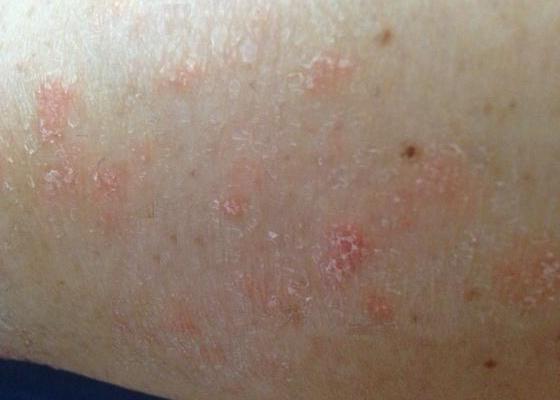
Autoimmunity seems to be mutiny, but it is actually forceful adaptation. Constant and varying, the adaptation occurs and it signals and b-e-l-l-o-w-s and ROARS and booms a message of distress and warning.

The adaptation develops differently for each person, using genetic makeup and psycho-affective-physical state to initiate adaptation. Adaptation is forced because of survival. Without the adaptation, the body cannot handle the trauma, extended bombardment of emotional distress, illness-induced agitation of the genetic makeup or psycho-affective-physical state, or extended bombardment of abusive treatment that it experiences.

Adaptation is forced so that these overwhelming causation factors listed above can be changed. Without changing the autoimmune disorder factors, the body would become unable to protect itself.

Autoimmunity is not mutiny, because it is a protective, natural changing of bodily functioning. The appearance of an autoimmune disorder is not without a cause, no matter how random it may appear to be.

There are similarities among autoimmune disorders. There are also differences, because each person is affected in an only-to-me way. The similarities suggest definable presentations and characteristics, but they actually reflect variations of changes that are bounded by physiology and human functioning. The differences reflect uniqueness that is inherent in the forced adaptations.

Autoimmune disorders cannot be removed from the body, because they have become part of the body. They can be detrimental when they are not accepted as the body’s way of handling the causation factors and are not approached from tolerant and healing outlooks.

Autoimmune disorders cannot be reversed, but proper care can reduce their severity. The blog post “Autoimmune healing!” contains ideas and wisdom to inhibit autoimmune responses.

The hidden aspects of autoimmunity have been explained here. The guidance is from Spirit and the next steps are for humans.

Balancing the balancing—the intertwined design of life

“The design of the body is just exact and nearly as beautiful as the most beautiful object. Being brilliantly designed and executed, the body accompanies its inhabitant throughout the body’s existence. Beautiful in motion, in repose, in its beginning and in its ending, ….”  from the chapter “Connection of the Four Components of Health” in Pond a Connected Existence.

“Being brilliantly designed and executed” is the description of the human body. This description refers not only to the physical component of the body, but also to the nonphysical components—the emotional, intellectual, and spiritual components. The body is a complex interconnected creation that demands balance of all the components to be truly itself. Balance is the key to life as designed.

What does it mean to live in balance?

Achieving balance is important to living well. Living well does not mean being prosperous or famous. Living well means living with purpose and with vitality, with awareness of the rhythms of the world, and with connections. Connections to other people, to the environment, to other creatures, to spiritual presence, and to oneself.

Knowing how to live within the constraints of the human body while enabling it to thrive permits the growth and development of a balanced being. Knowing how to give and take love, kindness, and support permits the widening of the emotions and the strengthening of the body. Knowing how to take interest in the world around and in its inhabitants permits the development of the intellect, the development of the emotions, and the versatility of the body. Knowing how to open to spiritual presence enables the relaxing of the spirit, which then relaxes the intellect, emotions, and body. Spirit—mind—emotions—body; all connected, all the time.

What is the first step towards balance?

The first step to bringing balance to the whole composition that is a person is to accept the intertwined design of life. It is important to understand that each decision, each movement, and each interaction affects the connected body in each of the components. By living as a connected human being—connected to oneself and to one’s interconnected composition and connected to all that is around (the environment, other people, the many creatures), a person can thrive and shine in a life well lived.

What is the second step towards balance?

The second step to bringing balance is to create realistic goals that achieve purposeful living. Here are three examples of steps to purposeful living:

  1. Creating warm and lasting relationships with family members and chosen friends balance all four components of health. This balancing goal can be achieved by scheduling time for visits with, calls to, and fun adventures with family and friends.
  2. Avoiding intentional damage to the environment balances the components of health. Thinking of ways to individually create less havoc in the world—less use of disposables, less reliance on animal products, etc.—balances the intellectual and emotional components of health. Following through and doing these things balances all four components of health.
  3. Avoiding intentional damage to our own selves balances the components of health. This step is not easy, but is necessary for balancing. Examining one’s lifestyle, choices, and activities balances the intellectual and emotional components of health. Following through and making changes balances all four components of health.

A simple way to bring balance

One way to balance yourself is to feel the weather. Rather than rush out of the rain, walk in it and feel the raindrops. Rather than avoid the cold weather, dress appropriately but let yourself shiver and notice your body’s shivering. During the hot months, let your body feel the heat and let it sweat.

Conclusion

By taking steps to connect with ourselves and with our situation (our surroundings, our society, and our ability to bring change), we can create meaningful and well-lived lives!

Autoimmune healing!

Psoriasis

Our bodies are designed to function properly.

Autoimmunity is dryness in a flowing river. It is soil that feeds concrete sidewalks and makes them grow. It is a snowball rolling upwards. It is gravity that pulls haphazardly.

Autoimmunity is rewiring. It is not meant to happen unless a defect before birth occurs.

There are so many examples of autoimmunity. Here are a few of them: fibromyalgia, psoriasis, eczema, ankylosing spondylitis, transverse myelitis, multiple sclerosis, scleroderma, and cancer.

Each autoimmune dysfunction has possibility for not occurring, but new types develop nonetheless. The body is strong, but autoimmune dysfunction sabotages it.

A balanced body can ignore autoimmune developments, but a body that is resentful or grieving or fearful or besieged physically gives way when autoimmune genes rule or traumas strike.

Causes that combine with resentment, grief, fear, and physical distress to allow autoimmune dysfunction are: certain ingredients in processed foods; certain ingredients in medications; exposure to certain products used in manufacturing; artificial living conditions; and injuries to bones, muscles or lymphatic nodule arrangements. Some of these causes build in the body until it is weakened and gives way. Some of these causes compromise the body immediately.

The rewiring by autoimmune syndromes and diseases, once in place, is hard to correct. Each person’s autoimmune life has been created individually so that return to pre-affliction is personal. There are general guidelines to heal, but customization is required. Here are five changes that can bring strengthening of the body in its struggle against autoimmune dysfunction:

  1. No to processed foods, especially when the body feels weak. Eat whole foods and prepare meals from scratch.
  2. Yes to spending time in nature. Breathe deeply in nature and experience the natural beauty.
  3. No to sleep deprivation. Schedule sleep so that tiredness is rare.
  4. Yes to thinking about others. Be sure to regularly connect with people you like and help others less fortunate.
  5. Drink water rather than other beverages.
  • Read the side effects on medications you take. More could be said about this guideline, but allopathic medicine “rules” so that’s it.

Autoimmune influence on the body definitely changes functioning, but its ability to overtake can be stopped by making its movement more difficult. Healing comes from understanding that autoimmunity needs to be redirected. The redirection comes from helping the body focus on non-acceptance of autoimmune changes rather than on digestion of foods that stress the digestion, defense against invasive substances, tiredness, self-absorption, perpetuation of the autoimmune response, and unnatural disturbances.

Inhibiting the autoimmune function are the brakes that slow autoimmune damage and create new processes that sidestep autoimmune syndromes and diseases. Each small contribution to inhibition—drinking water instead of coffee, eating vegetable soup rather than fast food fare, walking in a park rather than in a mall, paying attention to the needs of others, choosing sleep over watching a late night movie, overcoming a sugar addiction or a tobacco addiction or a cocaine addiction—helps the body sidestep the rewired reality.

Healing autoimmunity? Not easy, but possible through understanding and day-by-day, small contribution-by-small contribution steps.

Note: The health information presented here is not an in-depth explanation of autoimmune syndromes and diseases, because the causes and treatments are so varied. This information is what Spiritual Presence wants me to share at this time. It is not based on scientific information.

Politically Correct

Making fun of people is MEAN. It’s not a question of politically correct or not—it’s just MEAN. It has always been WRONG!

The damage from ridicule is usually hidden, but it is LARGE. It hurts the feelings and hurts the heart, literally. Hidden pain can cause generational harm—that’s how LARGE the damage is.

Making fun of people who are unknown to us or are famous is the same—it’s all MEAN. Being well-known doesn’t change a person’s sensitivity and doesn’t lessen the harm. People who think it’s fine to ridicule well-known people are WRONG—it’s damaging to their own well-being even more than to the people they ridicule.

Hurt feelings from being ridiculed can lead to compromised judgment and to destructive actions. Saying hurtful jokes or opinions about others can lead to self-chastisement and to shame which lower health. Both sides of the ridicule suffer, with each side harmed differently in physical and emotional ways.

Making fun of people is BELITTLING. It has never been right; it has always been WRONG. Reverberations from ridicule compromise whole societies and multiple generations. The effects are incredibly DESTRUCTIVE!

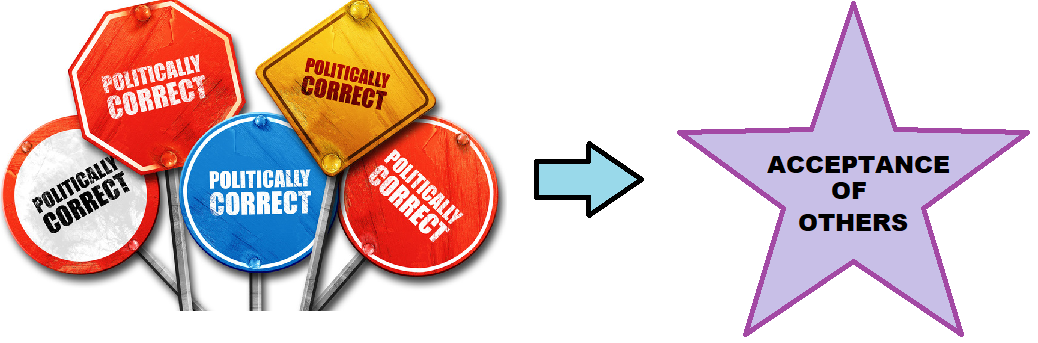
Being politically correct is not the answer. Being generous of spirit is.

The heart heals and the emotions balance when acceptance of others leads the way!

Insomnia and Its Effects

insomnia

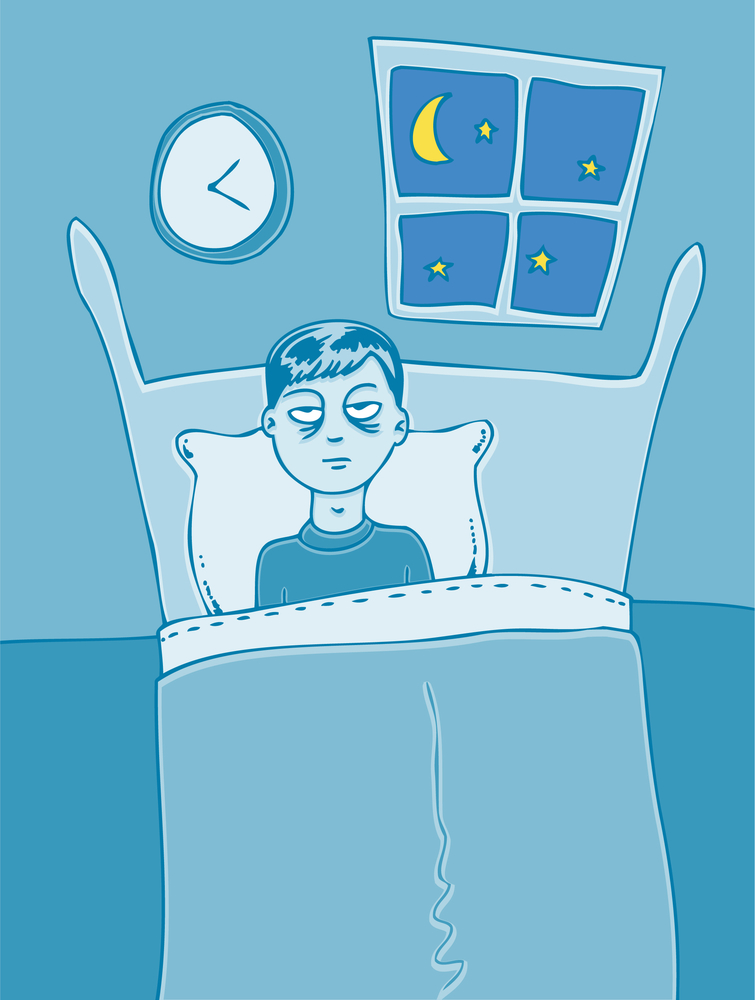
The inability to fall asleep and stay asleep affects animals, not just humans. Environmental and health factors contribute to sleep troubles for the sufferers of insomnia.

For people, insomnia has existed throughout history. It is not new, but the causes of insomnia have changed so that the incidents of it have become sources of pride rather than conditions to solve. Pride is the certainty that is heard when some people speak or write about their troubled relationship with sleep. These people view their lack of sleep as a confirmation to their overtaxed way of life.

Many enticements contribute to insomnia: screen addiction (social media, entertainment, porn), television shows, social pressure, medications that affect sleep, tasty caffeinated foods and drinks, deadlines for work or projects, nighttime jobs, overscheduling, events being followed in other time zones, and disdain for time spent sleeping.

The enticements lower the desire to sleep. They entice and dampen communications with the body so that the signals to sleep can be ignored or missed. Insomnia created from ranking activity above sleep, when sleep is the “activity” needed, is hard to cure because of faulty understanding of sleep.

Inactivity is another cause of insomnia. The body is designed for movement—and plenty of it! Lack of movement, when awake, jolts the body while trying to sleep. When the body is not tired but is instructed to sleep, restlessness or wide-awakeness encroaches upon sleep’s sacred territory.

Problems requiring solutions or thoughts that endlessly cycle bring on sleeplessness that is worsened when the thoughts are fearful. Fearful thoughts do not worsen insomnia, but they do increase its harmful effects.

Insomnia that temporarily disrupts sleep activity slightly affects health. Insomnia that becomes chronic has repercussions. Age and location influence the repercussions, but in general, the repercussions are: addled brain function, stressed optical functioning, less sensitivity to discernment of flavors, disrupted olfactory function, confusion of glands, downsized pulmonary functioning, disrupted flow of urea and lactic acid in the blood, overtaxed gallbladder function, stressed kidney functioning, and slowed bone regeneration.

Sleep is life in action! Full action, just like when awake, except that the action is directed towards growth, uninterrupted flows, and repair. The action that takes place during sleep can occur when awake-activities are taking place, but they interrupt each other’s processes. The body must repair itself. The body must grow replacement cells. They body must move life-sustaining nutriment and by-products to their places. Interruption to these processes disturbs balance.

Insomnia deserves healing. The healing required includes removing enticements that interfere with sleep, resisting the urge to glorify issues with sleep, dealing with problems and worries, and learning about the magnificence of sleep—because sleep is truly magnificent!

Note: This information is received from Spiritual Presence.