A Balanced Approach to Wellness!

Posts tagged ‘Energy Guidance Complete’

Ways to calm the heart

Hearts

These days, the rush to interfere with the circulation of blood has wrought pressure on the heart which destabilizes its functioning. There are many ways to calm the heart and the circulation of blood that do not have side effects.

Here are heart-calming remedies suggested by Spirit.

  1. When your breath pace is suitable for your heart, it keeps your heart relaxed. Shorter breaths can quicken the heart’s beating. Aim for longer breaths.
  2. If you feel anger, slow your breathing and wiggle your fingers.
  3. When you feel tense, listen to calming music or create the music yourself (singing, humming, whistling, or playing an instrument).
  4. Fear can affect blood circulation. Listen to your intuition when it advises you. Listen to your intuition!
  5. Immersion in a nurturing activity can calm the heart, if the desire to be immersed is not overcome by impatience. Examples of nurturing activities are caring for an infant, caressing a pet, and working in a garden.
  6. Excitement can touch the heart. Age can affect the effects of excitement. The older the heart, the greater the effects, for better or worse.
  7. Entering into a spiritual state can open flows. This state is healing and calming.
  8. Touch can calm the heart when it is given or received willingly.
  9. Entering into a meditative state can relax the blood vessels. Forced meditation has no effect, but true meditative state is calming for the heart.
  10. Exercise does not calm the heart, but it does condition it. The next blog post will present information about exercise and the heart. The thing to know now is that exercise done improperly can harm the heart’s ability to pump blood to all the extremities. Take care when your body communicates its limits.

The benefits of a calm heart are numerous and desirable for balance and health. A cam heart is beneficial in a world that is too rushed. Calmness of heart—a remedy for life!

Note: This information has been spiritually received and does not replace medical advice.

Blocking highways to the heart

spiritual illness

The heart is a control center with highways of energy flowing through it. The tangible energy is the blood and its components. The intangible energy is the emotional framework and its components.

Tangible and intangible energy flow through the heart control center, and their pathways require uncongested access. The intangible pathways have slow roads and quicker highways for moving emotional information: intuitive information must move quickly, while evaluative information requires slower processing. The tangible flow of blood is meant to stay steady, with clear highways all along the way.

Blockage of the blood’s path to and from the heart is well studied, and many treatments exist for clearing these highways. A lesser know treatment for keeping the highways clear is to drink oregano tea and eat fresh salads and sesame and almond products.

Food to unblock the heart

Oregano tea can prevent blockage when it is part of daily liquid intake that does not include soft drinks or silicon dioxide (in drinks), because these other drinks prevent oregano tea’s anti-inflammatory properties (but not its flavonoid antioxidant properties). The fresh salads require freshness—preservatives negate the clearing effects. Sesame and almond products that contain sugar, sugar substitutes, or preservatives are not helpful. Oregano tea + fresh salads + sesame/almond products can keep the tangible highways less congested, depending on the presence of substances or behaviors that subvert their work (such as tobacco smoke, certain medications [prescription and illicit], certain destructive feelings [see the post “Things that harm the heart” ], and lack of adequate exercise).

The intangible highways to and from the heart become blocked when trauma closes them in. Some traumas can be overcome by refusal to let them block emotional happiness, but others can leave emotional scars that require assistance to help them heal. Some emotional traumas leave blockage that cannot be smoothed, no matter how much psychological and emotional work is done. In these cases, the damage can only be acknowledged and accepted.

The highways to the heart can be maintained through frequent use (physical exercise and building emotional attachments) and by keeping them clear (proper nutrition and investment in supportive relationships).

Keeping these highways in good working order is the foundation for a happy heart!

Note: This information has been spiritually received. The more complementary medicine used to heal illness and unwellness, the better.

The Rhythms of the Heart

Heart Musical Notes

Smoothly, the heart beats a rhythm that pounds out life. Beat after beat, the quiet pounding paves the way for a life lived. As the pounding progresses through the years, its rhythm expresses the reality of the life—of the struggles, of the heartaches, and of the happiness. The heart is a reflection of the life that is being lived.

The youthful heart pounds heavily, pumping blood through the body with vitality and force. This rhythmic pounding is full of promise of the life to be lived, and it pushes towards growth and development. The youthful heart feels little pain, but is easily bruised when love is denied by cherished caregivers. Each experience of heartache or love molds the heart into its role as the carrier of emotional stability and physical stamina.

The rhythm of the heart changes as the years fly by. Slowing or quickening occur depending on choices made and lifestyle led. The heart provides support for new life being created in the womb. The heart supports through times of crises and despair. It pumps through competitive displays of movement and concentration, and then adjusts for feelings of success or defeat. The heart steadfastly beats, even when it and other parts of the body are abused through malnourishment or mistreatment.

The heart ages, and with its aging come reflections in the body. For some, the aging heart is reflected in rhythmic melodies in the mind. For others, the aging heart is reflected in rhythmic movements of the hands (often mistaken for Parkinson’s disease). The aging is natural and is influenced by childhood diseases, physical stamina, and medications ingested.

Rhythmic beating from the heart to the body is part of life and its wonder: each heart beating its rhythm, each heart joining in the syncopated symphony that beats on and on in the community of planet Earth!

Note: This post was delivered to me through my heart’s connection to Spirit.

Success with New Year’s resolutions!

Cover-Contracts for an exemplary life

Set yourself up to succeed with your New Year’s resolutions! Here is a book that can help you reach your goals.

The book is Contracts for an Exemplary Life.  It is  filled with forms and examples that can be the basis for success with your resolutions. It contains contracts that can help you commit to resolution goals and bring focus to the steps that will accomplish your goals.

“There are over forty examples of contracts to help you write a contract for your personal betterment, for your relationships within your family and with other people, for your legacy, for your influence within your community, and for your impact on yourself and others. There are contract forms to help you develop the contracts that will work for you.”  – from the back cover

If you would like help keeping resolutions and making true-to-yourself goals, read Contracts for an Exemplary Life—Using Contracts to Achieve Your Goals. It is available on amazon.com: http://amzn.com/1518880746

Filling your heart with destination

caring

The movement towards the end of life is constant, but is not specifically defined, so that our living is always within suspense. We hope for long life, but know that reality can be different, with death a constant possibility. We try to live life without focusing on this reality, but the reality lurks behind all we do nonetheless.

When we live with the final destination in mind, we can focus on living fully. Living fully means investing in relationships, community, and vision. Living fully means opening our hearts to experience love and heartache. Living fully means exploring our personal talents, exploring and questioning the world around us, and exploring the connection to Spirit. And living fully can be accomplished at any age!

When the light in our eyes flickers out and the pumping of the blood ceases, we want to have filled our hearts with destination: loving our loved ones fully, knowing our personal talents and gifts, and seeing our place in the greater world around us. Death of course will come, but let it come without regrets or self-castigation.

When the light in our eyes flickers out, our soul energy will flicker in the lives of the loved ones we cherished while we lived.

Note: This post was delivered to me through my heart’s connection to Spirit. Spirit offers us love and kindness whenever we are ready to receive them.

Heart attack secrets

Heart attack

There are secrets and changing initiators of heart attacks. Declaring that there are definite causes is incorrect, because each heart attack has its individual reasons and triggers.

Known contributors to heart attack probability are obesity, exposure to cold, genetic weakness or deviation, emotional stress, and age.

Besides these contributors, diabetes and certain drugs (including tobacco) can produce effects that contribute to heart attacks. These secondary contributors raise the likelihood of a heart attack, but they are not the causes.

Gastric distress that is accompanied by two or more contributors plus inflammation is a cause. The inflammation can be anywhere in the body, but it sets the stage for a heart attack to occur if there is gastric distress. The preventions: obesity (eat foods that are fiber-filled to prevent constipation or nausea), exposure to cold (if you have known inflammation, dress to keep your body warm, especially your chest and neck), genetic weakness or deviation (if you know of heart issues in your family, be sure to reduce inflammations when they occur and during times of inflammation, eat foods that nourish you), emotional stress (when you  are stressed, eat without being too full and reduce inflammations when they occur), and age (generally eat so that you do not feel gastric distress; exercise regularly to keep your body from becoming inflamed too often).

Lack of sleep is a cause when emotional stress overcomes ability to function properly. Emotional stress from work anguish, loss despair, or personal sense of failure can overcome the body’s defenses and open it to malfunction. Lack of sleep when the body is experiencing malfunction in flows can set the stage for a heart attack to occur.

Respiratory illness experienced when the body is overwrought by diabetic dysfunction or drug-induced malfunction can be hard for the body to repair and can overtax the heart. Repeated respiratory illnesses when the body is dysfunctional or malfunctioning can set the stage for a heart attach to occur.

There are many other initiators of heart attacks. They all work in connection with the heart-attack contributors. The initiators are not dangerous on their own, only when the heart-attack contributors force the body to handle situations it is not built to handle.

Note: This information has been spiritually received. The more complementary medicine used to heal illness and unwellness, the better.

Matters of the heart

Hearts-anniversary

Love can be complicated, especially when our expectations are too high or are unrealistic.

Spirit has weighed in on love and relationships. Here are spiritual insights about love that appear in the book Oneself-Living—Possibilities, Quiet Treasures, Ways.

True-love fantasy

“Love that is fantasy is love that is too unreal. This type of love is misunderstood and unattainable. This type of love is difficult and tiring. Falling in love is real as is feeling strong love for another person; however, “true love” is fabrication. Investing in the myth of a perfect love match is non-sustaining. Non-sustaining in terms of health and self-esteem and perception. Attaching to fabled storytelling is abusive, self-abuse.”

Unrequited love

“Love that is one-directional is love that is wasted. This type of love is sad and lonely. This type of love is wasted and futile. Love, such as “love” of a celebrity or of a person who is unavailable, is effort expended for naught. Investing in a non-reciprocal un-relationship is simply non-sustaining. Non-sustaining in terms of health and self-esteem. Lowering one’s value—value of one’s time and one’s being—is simply abusive, self-abuse.”

Realistic love

“Love is labyrinthian, multifaceted, and demanding—demanding in attention, demanding in compassion. Demanding in a good way, that is, love requires consideration of a person’s essence and foibles. Essence: a person’s character, habits, and presentation.  Foibles: minor shortcomings, but not abusive behavior towards self and others. Multi-faceted refers to the various moods of love—desire, yearning, simmer, and satisfaction. Labyrinthian because love can be hard to negotiate, discover, and unravel.

Love is not unkind words or impatience; those manifestations come from places of not-love. Ill-tempered treatment of so-called loved ones is not-love. Ridicule, sarcastic retorts, and condescension come from places of not-love. not-love is also multifaceted, but its surfaces are tarnished by traumas from the past, unrealistic expectations, or tiredness.

Feelings of so-so can develop into feelings of love when want is in place. Wanting to succeed, wanting to give, wanting to overlook. Feelings of aversion can develop into feelings of love when the view is adjusted. Seeing from a different angle, seeing with fresh eyes, seeing in a new light.

Feelings of humiliation or degradation generally do not develop into feelings of love, ever. People can overcome humiliating treatment, but their love is tarnished and is not really love. More like crippled-love. It is not not-love, but love that is tentative and wary.

Learning to love begins at a very young age. Babies develop love for their caregivers; the caregivers often develop love for the baby in their care. Young children love their caregivers and animals and their life if they are allowed to develop freely. Societal morés and reality impinge on their feelings of joyful love. Love of peers develops through interaction with people who present similar or non-out-of-sync behavior and outlook. Love of a single, special person can come from much time spent together or from awareness of an inexplicable bond or from a combination of these two components…”

“Love is laborious, exciting, and maddening like a labyrinth; multifaceted like a fashioned gem, and exacting like a demanding god. Love can cause people to commit terrible acts or wondrous feats of altruism. Love leads to coupling, caring for ailing family members, and celebrations. Love can lead to laughter, worry, and expectations. Ever changing, ever rearranging.

People can create loving relationships when they are motivated. A relationship that is mutually fulfilling results in the possibility of love…”

Oneself-Living—Possibilities, Quiet Treasures, Ways can be purchased at amazon.com: http://a.co/jcZb1ac

Cover-Oneself-Living

Heartache is holistic response

spiritual illness

When our hearts are “broken” our bodies respond. We breathe more slowly, we digest more quickly, and our bodies envelop us in care—if we let them.

A broken heart is part of living. Our hearts break when loved ones die or when love is unrequited or when once-in-love is no more.

Our bodies are designed to help us through the heartache, but the help comes by turning inwards and listening: listening to the feelings of pain and acknowledging them, listening to the body’s calls for nourishment, sleep, or attention and honoring them; listening to the memories and cherishing or releasing them, listening to our inner voice and following its lead, and listening to our guardian angels and letting them comfort us. The more we listen, the better we heal.

To listen to ourselves, we have to tune out external noise. The external noise can come from unnecessary distractions and “aids” that medicate the pain (booze, drugs [illicit and prescription], and activities that feel inappropriate). Friends who come to comfort can help with the listening when they come to be true friends.

Heartache will occur throughout our lives. Broken hearts do heal when we take care to help them heal.

Note: This post was delivered to me through my heart’s connection to Spirit. Spirit offers us love and kindness whenever we are ready to receive them.

How to fill an overextended heart

Post 111 Life is struggle

Sometimes we overextend our hearts by taking on the problems of too many people or by concerning ourselves with people whose lives aren’t connect to our own (like the lives of celebrities) or by harming our hearts with negative emotions such as despair, worry, and alienation.

The overextended heart might seem too full, but it is actually too empty! It is unable to feel personal feelings of love and sympathy, because it is focused elsewhere. The love and sympathy for family members and close friends misdirects and leaves “holes”.

These unfilled holes contribute to lack of patience, unfocused attention, and unfulfilled promises and expectation with the people who are really important. The holes produce a sense of emptiness, which some people “fill” through attachment to addictive substances or behaviors. The holes remain empty though, begging for filling through acts of love and caring towards family members and close friends.

If our hearts are overextended, how do we find the way to fill the holes and fulfill our hearts? Each overextended heart has been overextended in its own individual way, so general guidelines can only be partially applicable. An Energy Guidance Complete session can help you if you feel the overextension is too hard to tackle alone.

Here are general guidelines to fill an overextended heart:

  • If you follow the private life of one or more celebrities, vow to lessen their importance in your life and take tangible steps to remove their comings and goings from your daily life. Remind yourself that these relationships are not reciprocal: the celebrities are not interested in you.
  • If you feel despair, worry, and/or alienation too often, there are many things you can do, such as bringing a pet into your life, bringing more plants into your environment, spending time in nature, pushing yourself to meet with friends, talking to family members, exploring a spiritual connection.
  • If the holes in your heart have led you to cover them with immersion in addictive substances and/or behaviors, you most likely need assistance recognizing the emptiness side of your addiction. The overextension caused by addiction might be too hard to escape alone.
  • If the holes in your heart are ignored through workaholicism, volunteerism run amok, or desire to remain aloof from the needs of family members and friends, the future might bring you events in which you will need the help of others, but the others won’t be there for you. Invest now in friendships and close relationships to prevent heartache later. (Read the post “Investing for a rainy day, the good and bad news”.)
  • If the holes in your heart are fluff-filled by self-absorption, your connections will become diluted over time. The first step is to recognize that you are too focused on yourself and the next step is to practice empathy for a loved one who is very different from you. When you feel that you have built up your relationship to this person, choose another loved one and work at feeling happiness for this person’s life events. The more loved ones you connect to, the more holes will be filled, and the joy in your heart will be able to overflow.

An overextended heart is reversible when it is acknowledged and addressed. Each cause of heart overextension requires different work, and some causes are harder to overcome than others, but they all can be overcome.

Living with a heart filled with love for one’s close friends and family brings balance to the world!

Note: This post was delivered to me through my heart’s connection to Spirit. Spirit offers us love and kindness whenever we are ready to receive them.

“And as I went out towards you, I found you coming towards me”

Where poem

These truthful words about creation of spiritual connection come from a translation of the poem “Where” by Yehuda HaLevi. Yehuda HaLevi, a philosopher, physician, and poet wrote these words over 900 years ago, and they are as applicable today as they were then. When such beautiful and meaningful words are sung to equally beautiful and moving music, they can help in the ascension towards spiritual connection.

The attached picture is from a performance of the song by Diane Kaplan and her group https://www.youtube.com/watch?v=wlh-R9V8Mqk. I listen to its words (which are in Hebrew), close my eyes, sway, and let myself connect. Sometimes I dance the words and sometimes I simply breathe deeply while listening. They rarely fail to lift me and bring me closer to Spirit. Here is the translation on Diane’s CD “Like an Olive Tree”:

I reached out for you,
With all my heart I called for you.
And as I went out towards you,
I found you coming towards me.

God, where will I find you?
Your place is hidden high above.
And where won’t I find you?
Your honor fills the world.

Spiritual connection is available to everyone; all that is required is desire to connect. The path towards spiritual connection can be personal or through group worship. The connection can be created with the help of sacred music or with contemplative walks in nature. Each person can find a path that works. Following someone else’s path can sometimes bring connection, but the best way to connect spiritually is to breathe deeply and feel what works best for you.

If you would like to hear more of Diane’s sacred music, check out “Like an Olive Tree”, my favorite CD, at http://www.dianesong.com/olive-tree.

Giving your heart away

mother and babyWhen we are born, our devotion naturally goes to our mother, and then to our father, if he is there, or to another caring person who fills our baby world. Our mother—if she has unaffected love for us: unaffected by compromised hormonal balance, addictive substances, or personal emotional struggles—shares her love in an intangible presentation of her heart, which we—the baby—receive and naturally wrap inside. As we grow, we in turn present our heart to her and to our other beloved caregivers, and this love creates the bond that binds the baby and mother/other.

This first intangible exchange of hearts teaches us the natural giving and receiving of love. As we grow and receive love from more distant people—other family members, relatives, and friends—we learn to share our love, and the intangible exchange of hearts continues. Each heart-exchange stirs different emotions and elicits different expressions of love.

For the mother of babies that are wanted, the gift of motherly love is natural and fills her with purpose. Her instinctive lunge towards her children opens her heart to expanded generosity. As she gives her heart to her children, she strengthens and fortifies her intangible heart.

For the mother affected by compromised hormonal balance, addictive substances, personal emotional struggles, abuse or shame, growth of her intangible heart is attacked or blocked. Her natural inclination is to love her children passionately, but the influence of the external and/or internal saboteurs overcome natural bonding. The children of this type of mother receive crippled love, love that is offered and retracted in bouts of personal confusion or love that is guilt-ridden and unstable. These children have less connection to heartfelt love. They can learn to give and take love, but may feel confusion or uncertainty in the process.


The act of giving your heart away is as natural as smiling and crying. It is part of our human design to build connections with people, and giving your heart away is part of the connection-building process. Giving your heart to a family member is natural, and rejection of it is difficult to receive. Giving your heart to a person similar to yourself is also natural, and rejection can be as hard to take as rejection from a family member.

The intangible heart radiates desire for connection, and it pushes towards opening to receive love from others and towards risk-taking to give love to others. When the heart has experienced reciprocal love, it survives experiences of miscalculation more easily than a heart that was raised on confused or uncertain love.

There is truth in the idea that the heart expands as it embraces more and more people with love. The intangible heart has no size limitations.

Love as much as you can, and your love can help bring balance to the world!

Note: This post was delivered to me through my heart’s connection to Spirit. Spirit offers us love and kindness whenever we are ready to receive them.

Things that harm the heart

spiritual illness

We’ve been looking at the intangible functioning of the heart (Lead from the heart) and ways to strengthen the heart (Strengthening the heart).

Today, Spirit is sharing harmful activities that make the heart lazy and wounded. Each of these activities harms in a different way, so that their negative influence can sometimes be overcome by natural healing mechanisms in the body. When the cumulative harm is too great for the body to handle, the heart gives way to damage and weakness.

This list of heart-harmful activities is not ranked. Each activity harms the poor heart that is striving to support the body and soul.

Activities that harm the heart

  • Shallow breathing
  • Feelings of defeat and despair (together)
  • Feelings of emptiness and alienation (together)
  • Feelings of entrapment
  • Viruses that overcome natural defenses
  • Medications that weaken the body when it is fighting parasitic viruses
  • Pressure from worry
  • Pressure from guilt
  • Pressure from spinal imbalance (due to injury, disease, or long-term posture mistakes)
  • Cumulative defense against repeated illnesses
  • Cumulative defense against things that increase the pulse rate (such as obesity, thyroid medications, vascular irregularities)
  • Cumulative defense against episodes of bodily overreactions (such as many migraines, gastro-infections, panic caused by overreactions to symptoms of bodily processing)
  • Cumulative defense against deep-seated anger or resentment
  • Habits associated with anorexia, binge eating, and pain addiction
  • Heartache

Exposure to toxins can also harm the heart.

The heart is not impervious to emotional and physical abuse. It is a strong and reliable organ, but chronic abuse and activities that stress it too much leave damage.  A damaged heart can be strengthened, but the strengthening requires determination and true desire for balance.

Our bodies have been designed to function well, and the better we care for them, the better they function.

If any of the listed activities are unclear to you, please write a comment and I will check answers with Spirit.

Strengthening the heart

caring

In yesterday’s blog post, we received information about the heart: about its intangible aspects and its connection to our soul, our guardians, and the world beyond us.

For the heart to partake in these important objectives, it must be strong and its health must be supported. Here are the ways to keep your heart strong for its physical work and its intangible aspects. (The intangible and physical are equally important.)

  1. Know that social connections keep your heart strong. They can’t mend a heart with physical defects, but they can encourage its daily functioning. Seek out opportunities to interact with others and eschew too many solitary endeavors. We are social animals. That’s part of our design.
  2. Yes, physical activity is important. It truly is. Build physical activity into your daily routines. We are meant to move. That’s part of our design.
  3. Breathe deeply. As often as possible. The deep breaths condition the heart and exercise it.
  4. Eat “heart-healthy” foods and eat them in an atmosphere of health. Whole foods are so much better than processed—there is no competition. (The processing of foods is human endeavor misguided.) Eating on the run, in a car, or in sadness taxes the heart. Eating is meant to be a process that buoys the heart with gratitude and fortification.
  5. Smile as much as possible. Smiling resonates throughout the body and calms the heart. To smile more, look for the positive things in your life—and there are many—and smile at them.

Our hearts keep the blood flowing and the life meaningful. Love and care for your heart, and it will reward you. 🙂  🙂  🙂  🙂

Lead from the heart

Hearts-anniversary

The heart—a wondrous organ that focuses life!

The heart infuses life with emotion, with strength, and with direction. The heart reaches to the soul for guidance and brings the guidance in, even when soulful living has been abandoned or denied. The heart feels the connection to guardian angels, urging wisdom flow and urging sensations of comfort and support. The heart ties us to the rhythms in nature and in the spiritual realm, pulling us into the flows and into the stillness.

Refusing the heart’s functioning dulls the eyes and constrains the decisions. Without heartfelt guidance, life opens to embitterment and to loneliness. The heart infuses the senses with robustness, so that a lack of heart in decision-making or behavior skews the senses’ abilities to properly inform the mind and body. Without the heart’s input, conflict and apathy can rage.

When we lead from the heart, we live authentically! Heaviness can disappear and joy can guide our actions!

Note: This post was delivered to me through my heart’s connection to Spirit. Spirit offers us love and kindness whenever we are ready to receive them.

Posture–so much more important that people think!

posturePosture gives possibility of movement sublime. Freedom of movement extends from posture excellence. Excelling at posture is a worthwhile goal. The better the posture, how much better the living!

Extending the body upwards lengthens the spine and enhances the flows in the body. Bending the body forwards, sideways, or backwards for too long stresses the spine and disturbs flows. When flows are constricted, the body works harder to maintain balance. This unnecessary exertion can lead to permanently compromised health when the spine is held in the bent posture constantly.

Young children who maintain bent posture cause their bodies to work harder during times of healing and exertion. Teenagers who maintain bent posture cause their bodies to work harder during times of healing and exertion and create pressure on their vertebrae and musculature.

Adults in their 20s and 30s who maintain bent posture from their teenage years usually experience back pain, radiating pain from the back, and shortening of muscles. If the bent posture starts in their 20s and 30s, these adults may still have the direct and radiating pain, but the shortening of muscles will probably not yet take place.

When the bent posture begins in middle age, direct and radiating pain will accompany the bent posture and organ functionality may be affected. If the bent posture continued into middle age from the earlier years, the muscles will shorten, direct and radiating pain will occur, the intervertebral discs will age more quickly, the flows will slow, and the liver may be affected, as well as digestion.

If people begin to bend after reaching late middle age (60s) or into their 70s, the damage is less severe. A life of standing tall will have contributed to better health, so that the bending later on is less harmful. If the bent posture continued from earlier years, other organs and bodily processes will be negatively affected as well.

The vertebrae are masterful supporters of the body. They align in accordance with the parts of the body they protect. Their placement enables a strong steadfastness that is flexible in its limitations. The vertebrae enable bending, curving, and resilience.

Posture naturally expresses the positions of the vertebrae when the posture is extended upwards. The vertebrae are one on the other, stacked to support and provide space for all the internal body parts. When the vertebrae are forced into stacked crookedness, the space for the internal body parts is shifted. This shifting can be inconsequential or it can compromise functioning. If the stacked crookedness becomes chronic, the shifting of internal body parts can induce improper blood flow and elimination issues (sweat, urine, and others depending on the location of the shifting).

Movement is unnatural when the posture is slouched or crooked. Slouching and crooked walking have become fashionable, and the fashionability of walking improperly hurts whole populations. Slouching models encourage young men and women to slouch. Fashion that encourages wearing shoes with high heels creates generations with unnatural posture and movement. The slouching that comes from hours spent on mobile devices is equivalent to confinement in a cell that is too small; they both cause internal shifting.

Improper posture from car seats, airplane seats, and embarrassment (the posture that is assumed when a person is embarrassed) affect the posture in connection with other posture damagers. The worse the posture, the more the car seats, airplane seats, and embarrassment impact pain and internal damage.

Lack of exercise contributes to posture deterioration. Insufficient movement breaks when sitting for long periods of time contribute to posture deterioration. Negative viewpoint (of the world, of oneself, of society) and negative societal position also contribute to posture deterioration.   Other contributors to posture deterioration are too little manganese in the diet, sleep that is regularly diurnal rather than nocturnal, and irregular work schedules.

Proper posture contributes to lack of back and neck pain, relaxed muscles, better digestion, deeper breathing, correct blood flow, reproductive efficiency, and protected brain functioning. The vertebrae may look staggered, their importance may seem questionable, and their evolution may be misunderstood, but the vertebrae should be looked at as one solid piece of engineering with all the parts placed in the exact positions with the exact connections to create amazing possibilities—possibilities of movement, well-being, and balance!

Note: This information is from the first draft of the upcoming book Invented Afflictions and Muscular Conditions. This information has been spiritually received.


Flatulence: an affliction to be medicated or a communication device

flatulence

Many products are available to combat this affliction that is not an affliction, but a communication device. The emission of gas from the anus is the body’s conversation about digestion.

When the body has taken in too much food to comfortably digest, has ingested foods that are harmful to the digestive process, or has experienced too much movement during the digestive process, the body communicates its difficulty by releasing gas, among other reactions. The gas that is released can be odiferous if the digestive process encounters components that create odors which are malodorous.

The odors can be considered to be problematic, but actually, they are not important. They signify digestive functioning. Other reactions, such as abdominal pain or nausea, are the reactions that indicate digestive disturbance.

Avoiding foods that are thought to create noxious flatulence is not the way to combat flatulence. These foods can be nutritious and usually do not cause problems unless they are eaten on the run, at an overly excessive meal, or with other foods that cause digestive problems.

When a meal is overly excessive, the body reacts with force. There might be abdominal pains, spasms, or nausea. Reflux or diarrhea can occur. Burping and flatulence might accompany the other symptoms of digestive unhappiness. The release of gas is not a worry like pain, but it should be heeded because it is saying “Hey, that last meal was too large!” or “Hey, the food you just ate isn’t right for you!”. The gas notifies about problems, but is not a problem.

When a meal is eaten on the run or too quickly, air intake is increased and is released through burps or flatulence. The body might also experience pain or discomfort, depending on the foods eaten. Flatulence after eating too quickly is saying “Hey, slow down!”. Flatulence while eating on the run is saying “Hey, stop eating!”. The gas releases its message and does so insistently.

When foods are eaten that are harmful to the digestive process, the body reacts in many ways. It can slow or inactivate the digestive processes. It can overreact or convulse. It can speed processing to rid itself of the harmful substances. It can instigate bodily processes that are secondary to the digestion. It can underreact if the body is weak or stressed. It can change the digestive processing to protect itself.  It can change the digestive processing to deprive itself as a protective reaction. The flatulence that occurs in any of these reactions is saying “Stop!”. The gas sputters its message and insists.

Society deems flatulence to be a to-be-avoided situation that requires suppression and apology. The age of the person influences the embarrassment level. Children become embarrassed as they are taught that flatulence is bad. Learning to apologize when gas is passed is taught to children at a young age. Rather than learning to understand their body’s reactions, they learn to reject them.

Apologizing for passing gas, burping, and smelly bowel movements is normal behavior. Interpreting the causes of these natural bodily responses is only done by holistic practitioners who understand their relevance. All these communication emissions—the gas and the bowel movements that are overly noxious—have meaning about digestion. Rather than downplay them, they should be appreciated and investigated.

The feeling of air collecting at various places in the body activates the senses of internal movement and reaction. If the foods eaten were nutritious, well-processed (chewed thoroughly and digested efficiently), and absorbed, the body releases gas as a byproduct of the processing. These gases usually bring a sense of completion and are usually odorless.

If the foods eaten were unwanted by the body—toxic, excessively consumed, or busily eaten—the body releases gas as a signal of discomfort and struggle. These gases release acid and tension that usually produce unpleasant odors and sensations.

Excessive consumption that is repeated day after day increases the amount of gas the body produces. As the body acclimates to overconsumption, the foods consumed more strongly instigate reactions. There are more incidents of abdominal pain and disturbances that disrupt functioning. Excessive consumption influences other bodily reactions, which in turn, affect flatulence. The intake of air adjusts to the influenced bodily reactions, resulting in more gas and more odiferous flatulence. This flatulence is indicative of troubled digestion, altered respiration, and normal functioning that is exaggerated. This flatulence is not problematic, but it does message the fact that the body is distressed.

Flatulence increases when eating is rushed. The hurried swallowing of food adds air into the digestive system that is more than would be taken in when the food is eaten at a relaxed pace. The rushed feelings not only influence physical digestion, but also affect emotional and sensitivity well-being. The rushed chewing and swallowing send food pieces that require extra processing to the stomach, which handles them by churning energetically. The extra churning, together with the extra air, produce flatulence that is not necessarily malodorous, but is harder to control. This flatulence tends to escape suppression because it is too forceful. Rushed eating also increases discomfort in the abdominal area that requires time to stop. The more rushed the eating, the longer the time required by the organs to perform their tasks.

Besides the problems associated with rushed eating, too quickly eating foods that disturb digestion can make the organs sluggish and lead to chronic abdominal problems. When toxic or harmful foods are consumed too quickly, the body has to respond quickly, but then returns to its pre-crisis state in waves of relaxation that add to the release of gas. The waves of relaxation increase the amount and force of the flatulence.

The flatulence from rushed eating, harmful foods, and overeating is strongly felt in the body and is usually malodorous. This flatulence has the potential of being prevented by slowing the pace and chewing the food thoroughly. There will still be flatulence because of the over-consumption of harmful foods, but it will be less forceful.

Note: This information is from the first draft of the upcoming book Invented Afflictions and Muscular Conditions. This information has been spiritually received.

Attention deficit: a reason to medicate or a natural way of being

Children playing outside on a sunny day

People’s inability to focus has been the basis of entire industries for the last forty to fifty years. It has skyrocketing potential for so many businesses that its existence feeds economic trends. Attention deficiencies bolster the production of ingested aids (medicines, vitamins, etc.), behavioral aids, and lifestyle products. There are therapists to diagnose and therapists to advise, therapists to teach the parents and therapists to teach the children. So much activity around an invented affliction!

Inability to focus has causes. Sometimes there are birth defects that lead to attention deficiencies, but these causes are not the reasons for the new enormous industries. The new industries created the new disorders without facing the causes.

There are four main causes of inability to focus in the modern world:

  1. Industrialization, which brought with it urbanization and specialization
  2. Personal communication devices: radios, TVs, stereo systems, telephones, etc.
  3. Distancing from nature and from nature’s splendors and rhythms
  4. Standard learning methodologies in schools, universities, and courses that are not appropriate for most of those studying (approximately 60%)

Of all these causes, distancing from nature is the most serious. People require exposure to nature’s creatures (domesticated animals, untamed animals, fish, and insects), nature’s landscapes, edible foods in nature, flowers, plants, trees, and seasonal changes. These elements teach and develop attention capabilities. Without these connections to nature—or with only limited exposure to them—the ability to concentrate for extended periods of time is lessened and unappreciated, the ability to focus is shortened, and the ability to be resourceful is lessened. Not for everyone, but for most.

Industrialization led (1) to people moving into housing that cuts them off from nature and (2) to work that is specialized. Modern society’s focus on specialization has led to repetitive labor, day after day, year after year, be it in a field, at a desk, or by a computer. Specialization appears to advance societal goals, but in actuality, it limits people, which in turn, constrains society. Repetitive labor lessens the life of the laborer/person—not necessarily in terms of length of lifespan, but more in terms of a reduced existence. Specialization affects ability to focus by requiring unnatural attention to a limited area. Some people naturally feel at ease focusing on a limited area, but most don’t.

Personal communication devices pull people away from self-created enjoyments. Creating one’s own enjoyment requires focus and self-awareness. When someone else creates the enjoyment, focus is reduced. Earlier personal communication devices, like radios, caused people to reevaluate their own skills at entertainment and to sometimes quit. Stereo systems contributed to the move away from self-entertainment and attempts to create music. Television brought visual entertainment into the home, which led to a lessening in public gatherings and continued reevaluation of personal skills and desire to create entertainment. Telephones enable people to gather even less. Personal computers and phones continue the move from gathering together and have changed many aspects of self-entertainment, which then leads to increased inability to focus.

All people learn differently. Some learn through experiential training, some learn visually, some learn by hearing other people’s stories, and some learn only the things that really interest them. The standardized methodologies for teaching in a classroom assist no more than 40% of the students. The other 60%–the majority—require learning that is different. These people are stigmatized as problem learners when they actually have normal learning capabilities.

These four causes of inability to focus are interwoven into the fabric of modern society. Schools teach the minority of students well and fall short with the majority. Attachment to personal communication devices lessens patience and attention. Specialization narrows focus and awareness of things beyond one’s specialty. Detachment from nature removes opportunities for focus enhancement.

The attention deficiencies industries overlook the four causes and look at normal human traits as negative characteristics to be changed. They ignore the fact that modern living requires focus on activities that can be dull, rote, repetitive, and constraining. They trivialize the natural needs to move and change focus. They ignore the importance of connection to nature.

Modern schools, work places, institutions, and organizations require participation in dull, rote, repetitive, and constraining tasks and situations. People were designed for tasks and situations that are ever-changing. Tasks that demand constant focus and lengthy concentration tax the natural nature of humans. Distractions, tempest, whirl, and hurly-burly—those are the situations that people respond to.

Sitting in a classroom with a teacher droning on—NO! Sitting at a computer with few breaks—NO! Sitting on a factory line repeating the same motion over and over and over and over—NO! Hours of religious expression with expected intention—NO! People were not designed for these situations. To expect them to handle these situations and not fidget or daydream or disturb would require a new design.

People are designed for doing some of this, doing some of that, moving here, then moving there, short bouts of focus, studied execution of required tasks and chosen pursuits—and then sleep to recharge, repair, and function. People cannot hear and digest information delivered perfunctorily nor handle verbal assault nor accept displays of unimaginative and unmeant praise nor decipher dull and sterilized writing nor participate in uninspired presentations nor stay still for too long nor perform religious requirements without proper guidance and inspiration. Doing these things results in attention distraction, anger or enhanced criticism, dulled emotions and responses, and opposition to more than the cause of the opposition.

As mentioned earlier, the influences of nature were once major influences on people. Some people and cultures run their lives around the cycles of nature, but the number of people who are nature-centric lessens with developments in technology. The connection to flora and fauna significantly 1) broadens and heightens understanding of cycles and fluctuations; 2) develops appreciative and inquisitive capabilities; and 3) causes people to examine and work with vegetation that aid human life and animals that enhance human existence. When people allowed fluctuations of time, season, and life to govern their lives, they developed more attentive skills.

The creation of societies that reward unnatural behaviors and occupations and punish normal human behavior punish themselves. People force and repress and mold themselves to function within the constraints of modern societies. They think they are superior when they manage to overcome their natural inclinations for movement and physical expression. People do manage to adjust to their polygonal existences, but their bodies and spirits bear the brunt of the altered requirements.(A polygonal existence is a life that feels twisted and unnatural, a life that is unbalanced and incorrectly focused.)

Attention to the world around, to other people’s actions and antics, to creatures other than humans, to plant life, and to other-worldly possibilities can sharpen attention capabilities. Attention capabilities are dulled through focus on petty inconveniences, petty pursuits, mindless entertainment, mindless lecturing,  futile escapes, futile reasoning to justify lack of initiative, words spoken without thought, words spoken in a tone of condescension or disgust, distractive substances that steal focus,  and distractive and negative thoughts that are untrue or unnecessary. When attention capabilities are challenged, habits, influences, and routines should be examined.

Assuming that a person has a deficit because he or she cannot stay still or cannot focus on a dull and uninspiring topic reflects badly on society. There are people born with deficits or who acquire deficits through accident or illness, but perceived deficits of people who are unable to force themselves to live within uncompromising regulations are not deficits—they are expressions of frustration or unreleased energy or laziness or despair.

The rush of the attention deficiencies industries to pronounce people as needing ingested aids, behavioral aids, and lifestyle products in order to function is foolhardy and destructive. Some of ingested aids damage internal functioning of the body. All of the aids lessen society’s view of the people who are treated as attention deficient—including the people themselves.

What changes are needed to lessen attention deficiencies, besides changing society?

  • Spending more time around plants, trees, and flowers.
  • Spending more time with animals at home, at zoos, at bird observation sites, in nature.
  • Reading more for pleasure.
  • Spending more time outside feeling the weather.
  • Regularly using the body physically through exercise or activities that incorporate movement.
  • Participating in creating music and musical performances.
  • Spending more time with family or friends doing volunteer work.
  • Studying topics that are interesting.
  • Creating meals from scratch.
  • Developing hobbies that involve concentration and gradual improvement.
  • Using personal communication devices less.

Instead of focusing on attention deficiencies, the attention deficiencies industries could focus on attention capabilities. To do so, attention capability needs to be understood. There are six aspects of attention capability:

  • The ability to take in outside stimuli and think about them in orderly and sequential thought processes, and use the subsequent and processed information to formulate ideas, images and sensory input, questions, impressions and intuitive evaluations (for positive and negative stimuli), and information for storage.
  • The ability to identify information, opinions, memories, and guidelines that are stored or remembered, and to apply them to incoming stimuli.
  • The ability to filter out unnecessary, trivial, and malicious information from all incoming and internalized information.
  • The ability to evaluate outside stimuli and determine the need for using them. For example, when noticing a person walk by—First, evaluating the person in relation to oneself: identifying the person as familiar (family, friend, or acquaintance) or known but unacquainted (friend of a friend, famous, work personnel, etc.) or unknown but interesting (appealing physically or not, engaged in eye-catching activity, wearing eye-catching apparel, etc.) or unknown and suspicious or simply unknown. Second, determining an appropriate response if required, initiating an action or not, taking note of the person or something about the person or letting the person pass by without an intake of information.
  • The ability to focus on outside stimuli that must be internalized.
  • The ability to use the senses to connect with environmental (not man-made) activity, changes, and patterns.

The attention capabilities industries could focus on these aspects of attention to elevate people rather than looking for deficiencies that aren’t existent. There is much that can be done to elevate people. The first step is to abandon the invented affliction of attention deficiencies.

Note: This information is from the first draft of the upcoming book Invented Afflictions and Muscular Conditions. This information has been spiritually received. Some of the information has been published here in earlier blog posts.

Menopause: a reason to medicate or a natural stage of life

Menopause, word cloud concept 8

Opportunities to medicate abound. One of these opportunities is menopause: nature’s answer to gradual decline in females. Just as puberty changes a young girl’s body and prepares her for menstruation and childbirth, so too a mature woman’s body prepares her for cessation of menstruation and decline.

The change for young girls is no more difficult for the body than the change for mature women. Puberty is accepted with little medical interference, but menopause is not. There are interventions to “ease” the declining stage of life that treat this stage as problematic and requiring of denial.

Menopause brings changes—that is the nature of menopause. These changes have symptoms, but the symptoms are not illnesses that need to be healed. Menopausal symptoms are made worse by seeing them as avoidable nuisances. Pretending that menopause is not happening is contrary to nature.

The main contributor to ease during menopause is acceptance. Accepting that the body is moving to a new stage is balancing. Accepting that there might be fluctuations in body functioning makes the fluctuations less annoying. Accepting that messages, hints, and warnings disguised as menopausal symptoms are a way for the body to communicate, is how menopause should be viewed.

Seeing each symptom-message as information from the body that requires attention, and possibly action, is the catalyst for changing habits or lifestyle choices that upset balance. Identifying each symptom-hint sheds light on minor hormonal or metabolic changes. Responding to symptom-warnings when they occur prevents future illnesses and diseases. Each symptom-message, symptom-hint, and symptom-warning provides information that is important for the post-menopausal body.

Masking symptoms harms. The body is whispering or calling or crying out for attention. Masking the communications is a mistake.

As the body changes, noticing the changes and adjusting lifestyle is the first step to dealing with menopause. Evaluating the lifestyle changes and their effects on the body is the next step. Exploring holistic health practices for menopausal issues that bother is a positive step to living through menopause. Observing the changes and accepting them can bring contentment and joy.

Menopause is simply a phase of life. It can be an exciting time and a surprising time. Aiming for balance through the time before and after menopause is wise.

Note: This information is from the first draft of the upcoming book Invented Afflictions and Muscular Conditions. This information has been spiritually received.

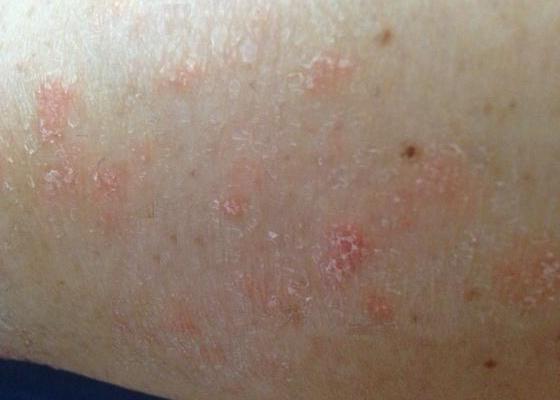
Autoimmune Hidden

Psoriasis

Why is turning on oneself a way for survival?

Autoimmunity seems to be mutiny, but it is actually forceful adaptation. Constant and varying, the adaptation occurs and it signals and b-e-l-l-o-w-s and ROARS and booms a message of distress and warning.

The adaptation develops differently for each person, using genetic makeup and psycho-affective-physical state to initiate adaptation. Adaptation is forced because of survival. Without the adaptation, the body cannot handle the trauma, extended bombardment of emotional distress, illness-induced agitation of the genetic makeup or psycho-affective-physical state, or extended bombardment of abusive treatment that it experiences.

Adaptation is forced so that these overwhelming causation factors listed above can be changed. Without changing the autoimmune disorder factors, the body would become unable to protect itself.

Autoimmunity is not mutiny, because it is a protective, natural changing of bodily functioning. The appearance of an autoimmune disorder is not without a cause, no matter how random it may appear to be.

There are similarities among autoimmune disorders. There are also differences, because each person is affected in an only-to-me way. The similarities suggest definable presentations and characteristics, but they actually reflect variations of changes that are bounded by physiology and human functioning. The differences reflect uniqueness that is inherent in the forced adaptations.

Autoimmune disorders cannot be removed from the body, because they have become part of the body. They can be detrimental when they are not accepted as the body’s way of handling the causation factors and are not approached from tolerant and healing outlooks.

Autoimmune disorders cannot be reversed, but proper care can reduce their severity. The blog post “Autoimmune healing!” contains ideas and wisdom to inhibit autoimmune responses.

The hidden aspects of autoimmunity have been explained here. The guidance is from Spirit and the next steps are for humans.

What to know about conflict & its sources

Conflict exists everywhere, it seems. Countries are in conflict, religious groups are combative, political opponents battle, and racial tensions divide. Even connected and supportive relationships fester in conflict.

The sources of conflict are many, and they impact together and individually to inflict negativity within families, communities, and nations. The sources of conflict are explored in this new book Descending into War, Descending into Contempt.

The main conflict sources are the feelings of superiority, inequity, disappointment, and emasculation. These disruptive feelings push people to act with contempt towards others. They incite actions that end connections and they lead to conflicts that often seem insurmountable.

Acknowledging the sources of conflict is the first step to stopping conflict.

Descending into War, Descending into Contempt is the latest book I channeled from Spirit. In it, Spirit shares information that is very important for us to know. The book is available in paperback and Kindle.

Click here for the paperback. Click here for the Kindle edition.