A Balanced Approach to Wellness!


Screen bean-power

The previous post presented the compassionate approach. Today’s post presents approaching with hostility. Each approach has its supporters. Each approach has its repercussions.

See which approach suits your viewpoint and your actions.

Meeting Hostilely

Scenario

A couple (man and woman) are sitting in an outdoor café when a homeless woman approaches them asking for money. The man and woman had been deep in a conversation, and the interruption is jarring. The homeless woman wears tattered and slightly stained clothing and speaks with a stutter.

Reaction

The couple is determined to continue their important conversation and initially, ignores the homeless woman. When she again requests money, the man looks at her, raises his eyebrows, and says “You are a nuisance. Leave us alone. We are entitled to eat here without being bothered by people like you.” His partner says “Yes, leave us alone. There are laws about people like you, and you cannot come here and beg. Go away.”

The homeless woman, who is inured to reactions such as these, raises her voice and stutteringly requests money. The man, angered, calls to the host, and the host walks out of the entrance to the homeless woman and authoritatively says “In 10 seconds I am calling a policeman to escort you from here. Now go!” The homeless woman replies “Just g-g-g-give me a bit of food and I w-w-won’t come b-b-b-back.” The host, tired of dealing with panhandlers, raises his voice and says “G-g-g-get the f___ out of here—NOW!” The homeless woman, feeling neither hurt nor sad—rather accepting and deserving of this outburst—turns and moves on. The host apologizes to the couple, who resolve to sit inside next time, and the interaction is done.

Meeting Hostilely

Anger, raised voice, clenched fists, contracted shoulders, shallow breaths. Hostility causes rifts, causes hurt, causes movement away from, causes reactions, causes loss of support. Hostility is no-good, no-help, no-build, no-support, no-way, no-answer, no-solution, no-model, no-comfort. Hostility breeds contempt and withdrawal. Hostility devastates. Hostility leads to resistance and to intransigence or desertion. To meet another with anger in the voice, with anger in the heart, with agitation in the gut—UNWISE, UNSOLVABLE, UNADVOCATED.

The Choice

To choose negativity over positivity is often easier. To find fault, to bring down, to ridicule, to deride: these actions are lazier, are foolish, are belittling—belittling to the deliverer of the negativity even more than to the receiver. Using strength, either physical or mental, to downtrod others is repaid without the deliverer’s awareness—through dreams and other intangible ways. Woe to the one who kills with pleasure. The repayment will be delivered.

Living ho-s-t-i-l-e-is-to-be-discouraged.


Cover-Oneself-Living

This approach is from the book Oneself -Living–Possibilities, Quiet Treasures, Ways in the chapter “Part 1:  Meeting Hostilely”. The book can be purchased through amazon.com stores:

Support

The next two blog posts will present these two different approaches:  compassion and hostility. Each approach has its supporters. Each approach has its repercussions.

See which approach suits your viewpoint and your actions.

Meeting Compassionately

Scenario

A couple (man and woman) are sitting in an outdoor café when a homeless woman approaches them asking for money. The man and woman had been deep in a conversation, and the interruption is jarring. The homeless woman wears tattered and slightly stained clothing and speaks with a stutter.

Reaction

The couple, who are intently engaged in conversation, initially ignore the homeless woman. When she again requests money in her stuttering voice, the woman thinks of her brother who stutters, and quietly asks her partner if he has any spare change. He has none, and says to the homeless woman “I’m sorry. I don’t carry change.” The woman opens her purse to check, takes out a few coins, and hands them to the homeless woman, who receives the money without reaction. The homeless woman continues on her way; the couple returns to their conversion; the woman quietly reminds herself to call her brother; the man looks intently at his partner, marveling at her kindness.

Meeting Compassionately

Compassionately approaching, the preferred approach, relieves tension, balances health, is a sustaining activity. Compassion brings closeness, healing, movement towards, and loving relationships. Compassion is preferred, is beckoning, is solution-centric, is catalytic, is generally better. To meet another with compassionate feelings—WISE, NOURISHING, ADVOCATED. COMFORTING.

The Choice

To choose positivity over negativity is usually more of an effort. To choose to pick up and not walk by is a greater effort. To lend a hand and not relinquish assistance is more work. To volunteer and not accept mediocrity is the responsibility that is often left for others. The rewards for pitching in, helping out, lifting up are sometimes tangible, most often not. The true nature of people requires being part and being available.

Living with compassion and with understanding lends color to life, adds substance and texture to being, grants glimpses into beyond—even when negativity is in the fore. Sometimes, the forces that govern are overbearing and abusive; during these times, compassion and understanding are all the more.


Cover-Oneself-Living

This approach is from the book Oneself -Living–Possibilities, Quiet Treasures, Ways in the chapter “Part 2:  Meeting Compassionately”. The book can be purchased through amazon.com stores:

Tangy banana ice cream

Giving up sugar doesn’t mean giving up sweet treats.

A couple days ago, I signed a contract to overcome cravings by giving up sugar (see the post “My Contract for Overcoming Cravings“). I still eat fruit and use sweeteners such as unprocessed honey, agave, and maple syrup.

Here is a recipe for a mock ice cream that doesn’t feed the sugar beast, and satisfies the desire for sweetness. It’s on my Yumtritious Eating! blog.

About one and a half cups, for 3-4 small servings

Ingredients

2 large frozen bananas

juice from 1 or 2 tangerines or clementines to make 1/3 cup juice

1  1/2 Tbsp carob powder

Steps

  1. Juice the tangerines or clementines and measure out 1/3 cup juice. Pour into a food processor with the S blade.
    Clementine oranges
  2. Add the carob powder to the food processor.
  3. Preferably, the bananas were cut into chunks before they were put into the freezer. If not, cut the frozen bananas into medium-size pieces. Add the banana pieces to the food processor.
  4. Process the ingredients until smooth. Process the mixture quickly so that it doesn’t melt. You might need to stir by hand to mix in all the juice and carob powder.
  5. Spoon into dishes and serve immediately!  Yumtritious!

I’m going to make a sweet treat with strawberries this afternoon. If it turns out yummy (because for sure it will be nutritious), I’ll post it on Yumtritious Eating!

shoutRecently, most of my blog posts have been about the problems with sugar and sugar substitutes. Spiritual Presence shared the facts about sugar and sugar substitutes, and although I am the one receiving this important information, I was ignoring it. As a matter of fact, I found myself eating more of the things I was learning are so destructive–and craving them more then ever!

After yesterday’s blog post “A World without Cravings” I finally realized that I have to cleanse myself of sugar because it keeps calling to me to eat more and more. I understand that my cravings started early through all the sugared products I was fed as an infant and child (see “Child Abuse with a Spoonful of Sugar“), and those cravings never let up. I had worked to overcome them, with moderate success every now and then, but I hadn’t realized just how destructive sugar is until Spiritual Presence shared the information.

Using the Me-With-Myself contract form in the book Contracts for an Exemplary Life, I have written a contract to help me overcome my cravings. My goals are not only to avoid sugar and to be happy without sugar, but also to understand the importance of my choices on myself and on others around me.

I’m giving myself two months to overcome my addiction to sugar, and then I will see how it feels to be sugar free. During this time, I will eat fruit and sweets that are unprocessed based on the information in the blog post “The Facts: Sweeteners from natural to laboratory-made, Best & Worst“. I will check ingredients in prepared foods for sugar and sugar substitutes. And each time I see sweets that I used to eat, I will feel strong that I can resist them!

It’s never too late to change!

sweet too much

Before sugar was refined, cravings existed but they did not rule existence. Yes, there were other addictions but they had different influence because of the body’s processing.

Refined sugar overrides the body’s ability to digest properly. Digestion when sugar is present becomes crippled. The sugar speeds some processes and halts others. The body absorbs the nutrients it can while defending itself from the onslaught of altered secretions and excretions that are different from their natural states because of the sugar.

Artificial sweeteners alter the digestive processes’ ability to absorb nutrients naturally. Besides speeding some processes and halting others, they create changes in digestive processes for foods that are proper for the body. Artificial sweeteners cause less cravings but more havoc.

To satisfy cravings for sweets

There are ways to satisfy cravings, because cravings for sweetness are part of modern-day life. Here are five ways to satisfy sweet cravings:

  1. Keep hunger at bay when you are around sweets. The less hungry you are, the less tempted you will be.
  2. Reduce hidden-sugar foods (processed foods that contain sugar or other sweeteners) so that your body feels sweetness with less. In other words, the less sweet foods you eat, the more easily you will notice sweetness.
  3. Minimize the sweet things in your home and choose to buy sweeteners from the Best list to keep at home.
  4. You can counter sweet cravings by eating foods with “good” fats. Choose whole fat foods rather than low-fat or no-fat. Whole fat foods satisfy hunger and lower cravings.
  5. Avoid advertisements for sweet treats, and when shopping, remember that the store owners are trying to manipulate you by placing sweet things along your buying path. Say “no” to this manipulation.

Is a world without cravings possible? Yes—in places where the sweet desire is satisfied by fruits and unprocessed sweeteners. Elsewhere, probably not. People who can abstain from all processed sweeteners and lactose-modified foods are least affected by cravings.

A worthwhile goal can bring benefits beyond belief—living without cravings!

Note: This information is spiritually supplied.

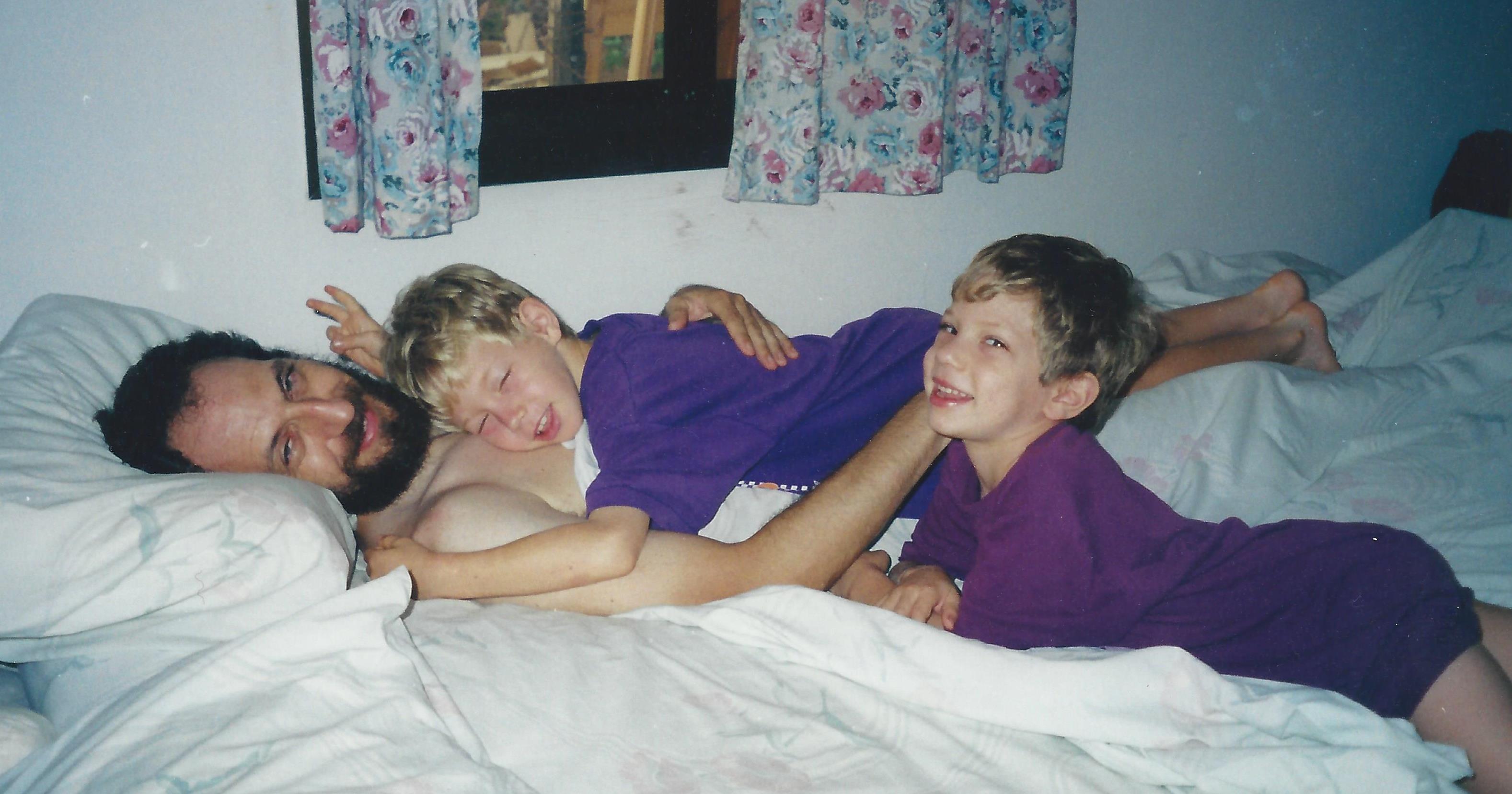
Father and sons

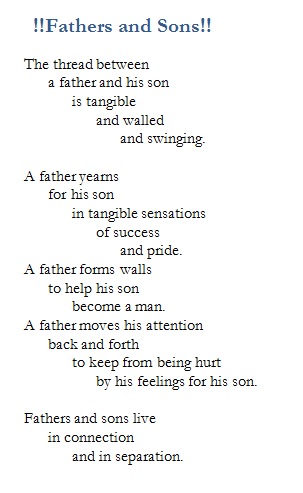
The relationship between a father and his son is fluid. So many factors affect their interactions. Here is a poem I received about this fluid and important relationship. “Fathers and Sons” is published in the book of poetry, Unfolding.

poem-fathers and sons

Unfolding book cover

Unfolding—A Collection of Wisdom Poetry can be purchased through amazon.com stores: http://amzn.com/1508828229
sweets for children

My childhood contained many spoonfuls of sugar. It started off with sweetened formula. There were doughnuts and ice cream, sugar cubes and sodas. Lollipops and candy canes were gifts at doctor appointments and my parents’ business friends’ offices. Halloween provided weeks of sugary treats. The other holidays had their special sweet treats and customary sweet dishes. My family’s snack drawer was full of snack cakes, cookies, and sno balls. At school, lunches included a sweet treat and the food provided was often sweetened. For breakfast, I ate sweetened cereals, sweetened oatmeal, and instant breakfast drinks.  Family trips to the local ice cream parlors and baseball games led to sweet celebrations galore.  Ice tea was always sweetened as were the fresh strawberries. Sunday morning pancakes smothered with imitation maple syrup were the weekly food highlight. Crackers, canned savory foods, spreads, and fast foods were sweetened as well. My diet was sweet foods with occasional breaks for the unsweetened things. My diet was typical of children growing up in the 60s and 70s in the United States. All that sweetness influenced my health, my eating habits, and my thinking.

————————

This blog post is written to parents and grandparents to make them aware that their choices to sweeten the lives of their children and grandchildren delivers misery instead of the intended happiness. Sweetening a child’s life is love misguided.

Note: This blog post is not my opinion although I do agree with it. The wisdom presented here is straight from Spiritual Presence.

Parents and grandparents,

“Most of our diet is meant to be non-sweet. The sweet part should be about 8%, and of that 8%, all should be from natural sources—that is how our bodies are designed. .” …from the post “Sweeteners: The Facts

More than 8% sweetness leads to:

  • changed appetite (wanting foods for their sweetness rather than for their satisfaction of hunger)
  • emotional turmoil
  • malfunctioning of the processes that handle sweetness
  • reduced resilience of body parts (for example, teeth)
  • illness
  • compromised attention capabilities
  • over-desire for sweetness
  • reduced muscle activity
  • feelings of negativity towards self

from the post “The Facts: Living in a World of Sweetened Sustenance

Through sweets, well-meaning parents feed their children emotional turmoil and compromised attention capabilities. These changes to natural temperament and attentiveness cause problems with peers and in school.

Through sweets, well-intentioned parents offer their children reduced resilience of body parts as rewards for good behavior and grades. Even parents who know the facts about sweetness succumb to societal pressure to provide their children with changed appetite and over-desire for sweetness. Combating the pervasiveness of sweetness in society is not easy.

Rewarding children using sweets that contribute to feelings of negativity towards themselves is building people who are unsure of themselves. Rewarding children with causers of malfunctioning of the processes that handle sweetness is mistaken gifting.

Sweets that are natural, such as fruit and pure maple syrup, are building unless they exceed the 8% limit. Sweets that are destructive, such as sugar and corn syrup, cause disruptions in functioning and in future functioning.

Going against the typical way of pushing sweets onto children is not easy. Defying the advertisers and makers of sweet things is work. Understanding what you are doing each time you give your child a soda or a candy bar or a sweetened cereal, might help you change your outlook on how you stock your house and how you supply nutrition to the children you love with all your heart.

sweets 2

Life in modern societies entails navigating sweetness at every food-intake turn:

  • Sweeteners are added to foods that don’t seem to be sweet. Sweeteners are added to sweet foods to sweeten them more.
  • Advertisements urge us to desire sweet foods as a way to live the good life. Retail establishments place sweets near checkout counters to up the items we buy from them.
  • Sweets are viewed as appropriate gifts for those who are ill or grieving. Sweets are viewed as expressions of love and caring.
  • Incentives to improve often include sweet rewards. Meals often end with sweets as the highlight of the meal.

Fact #1: Sweetness can be nourishing.

As written in the post “Sweeteners: The Facts”

“Sweets from nature nourish.”

The closer to nature the sweetener, the more it can sweeten without harming. Choosing fruit as a dessert instead of cake is caring for the body. Using raw unprocessed honey or pure maple syrup as a sweetener instead of sugar or artificial sweeteners is protecting the body. Eating whole grains, which contain natural sweetening, instead of processed grains, is supporting the body’s health.

Fact #2: Body-mind balance is unavailable when processed sweeteners are consumed.

Our bodies are designed to desire balance. The foods we eat contribute to the balance or cause imbalance. Natural sweets are processed properly and only upset the balance when they are over-consumed or when the body is challenged by illness or disease.

Processed sweeteners (which include sugar, artificial sweeteners, and corn syrup, among others) always cause imbalance. The body is not designed to handle them. Their effects can be felt if the body has an immediate reaction, which often happens the first time the processed sweetener is consumed. If the reaction is ignored, the body handles the sweetener through improvised processes.

Fact #3: Eating a diet of more than 8% sweet causes crises in the body.

“Most of our diet is meant to be non-sweet. The sweet part should be about 8%, and of that 8%, all should be from natural sources—that is how our bodies are designed. .” …from the post “Sweeteners: The Facts“

Design is design. Our bodies are not designed nor built to handle more than 8% sweetness in a day. More than 8% sweetness leads to:

  • changed appetite (wanting foods for their sweetness rather than for their satisfaction of hunger)
  • emotional turmoil
  • malfunctioning of the processes that handle sweetness
  • reduced resilience of body parts (for example, teeth)
  • illness
  • compromised attention capabilities
  • over-desire for sweetness
  • reduced muscle activity
  • feelings of negativity towards self

When the percentage is higher than 20%, all of the results listed above are equally affected. When the percentage is higher than 30% day after day, the speed at which the body is negatively affected quickens.

Design is design. The body requires nourishment that is nourishing.

Fact #4: The body’s processing of artificial sweeteners is convoluted.

Artificial sweeteners play so much havoc on the body that it is hard to understand the damage they do. Their processing in the body depends on the body’s state of health.

A person in stable health processes artificial sweeteners without involving processes that are not usually used if the person is not tired or hungry. If the person is tired or hungry at the time of artificial sweetener consumption, more processes get involved to neutralize the effects of the disturbing presence.

A person in compromised health processes artificial sweeteners differently than described for a person in stable health who is tired or hungry. Compromised health can be different depending on age, sex, and weather conditions so that the processing of the artificial sweeteners differs.

Artificial sweeteners have been studied and their ill effects have been documented. Artificial sweeteners are for consumption in these cases: when you are eating a plastic bag that needs sweetening or when you are eating tree bark that needs flavor. In other words, never!


These last three blog posts ( “Sweeteners: The Facts”  and “The Facts: Sweeteners from natural to laboratory-made, Best & Worst”) have been offered to you so that you can choose your sweet treats wisely. The suffering that comes from overindulgence in sweets is not worth the momentary pleasurable sweet taste in the mouth. Resisting the call of advertisers and the lure of desserts that are too sweetened is not easy, but is kind to your body.

Note: The source of the information provided here is divine inspiration.

sweets

“Foods that are sweet blind us. Their charismatic taste overtakes our reasoning, and we crave their company. Our willpower weakens and we are held captive by our desire for repetition of the sweet sensations in our mouths.” …from the post “Sweeteners: The Facts

Knowing that we are held captive by the irresistible pull of sweetness is helpful for us to feel less guilty about wanting sweet additions to our meals. The goal is to eat the sweets that nourish and not the ones that disturb the balance inside our bodies.

Note: Food intake is part of a balanced life. Eating well but ignoring emotional health will not bring balance. Over-focusing on food intake and ignoring community responsibility will not bring balance.

“Most of our diet is meant to be non-sweet. The sweet part should be about 8%, and of that 8%, all should be from natural sources—that is how our bodies are designed. .” …from the post “Sweeteners: The Facts

With this fact in mind, choosing to fill the 8% of sweetness with nourishing sweets is wise.

Best sweets and sweeteners

Here are the best sweets and sweeteners to eat, in the order of nutritional value.

  1. Fruit
  2. Raw unprocessed honey / pure maple syrup
    The least amount of processing provides the most nutritious sweetener.
  3. Date syrup (also known as date honey)
    Dates can also be used as a sweetener (as well as raisins and other dried fruit).
  4. Stevia / blackstrap molasses / fruit juice
    Stevia is sold in packets and larger containers. The packets are ecologically wasteful.
  5. Agave / coconut sugar
    Coconut sugar has societal implications, so use it sparingly.
  6. Pasteurized honey / dark molasses

Worst

Here are the sweeteners that our bodies don’t want. They cause havoc inside our bodies and disrupt balance. Some of these sweeteners are accepted forms of sweetening, but they really shouldn’t be.

  1. Neohesperidine dihydrochalcone (E959) / saccharin / sugar from sugar beets
    Sugar from sugar beets are listed separately from sugar from sugar cane because of processing considerations.
  2. Aspartame / Sucralose / sugar from sugar cane
  3. Cyclamate (E952) / light brown sugar
  4. Asesulfame potassium (E950) / corn syrup
    Light and dark corn syrup are equally disruptive.
  5. Evaporated cane juice
  6. Light molasses

Sweeteners not ranked

There are many more sweeteners than those listed in this blog post. The following sweeteners were not listed above because of production or unresolved issues.

  • Xylotol
    This sweetener is not listed above, although many people extol its usage, because it has unresolved issues. It has not been studied enough to deserve its praise.
  • Erythritol
    This sweetener has unresolved issues. It should be used sparingly.
  • Rice syrup
    This sweetener has unresolved issues. It is better than all the sweeteners listed in the “Worst” section. It is not listed in the “Best” section because of the unresolved issues.
  • Monk fruit
    This sweetener is a “Best” sweetener when traditional processing is used. Non-traditional processing, which is how most of this sweetener is distributed, leads to societal issues.
  • Lucuma powder
    This sweetener has societal issues.

8% is important

Choosing how we fill the 8% can affect our health currently and in the future. Some sweeteners cause immediate effects and some contribute to health issues in the future. Choosing from the “Worst” section is often not a real choice because many of those sweeteners are in processed foods. Sugar is such an accepted sweetener that people don’t realize what they are doing to their bodies when they consume it. Choosing from the “Best” section whenever possible is what the body prefers. Satisfying the sweet tooth with sweeteners that the body can handle adds to health.

Facts to come

The next post will present sweetness from a different view.

Note: The source of the information provided here is divine inspiration.


Fruit

The Main Fact

Foods that are sweet blind us. Their charismatic taste overtakes our reasoning, and we crave their company. Our willpower weakens and we are held captive by our desire for repetition of the sweet sensations in our mouths.

The Source Fact

Processed sweeteners weaken our bodies. Sweets from nature nourish. Naturally sweetened foods—fruits and grains—satisfy the desire for sweetness without imprisoning us in the desire for more. They call our names, we eat them, and our bodies are captive, yet balanced.

The Added Sweetener Fact

Most of our diet is meant to be non-sweet. The sweet part should be about 8%, and of that 8%, all should be from natural sources—that is how our bodies are designed.

Added sweeteners upset the balance, and the 8% is overtaken by distancing from the natural appetite. Added sugar in a breakfast drink begins the day’s desire for more. Sweeteners added to breakfast foods continue the desire. The next sweet fix might come at lunch, but the call for more sweetness may encourage a mid-morning swallowing of sweetened food. And so the day goes. By nighttime, the 8% may have risen to 70%, depending on willpower and availability.

Above 8% skews reasoning and upsets balance.

Facts to come

The next post will present the ranking of best and worst sweeteners and the facts about the worst ones.

Note: The source of the information provided here is divine inspiration.

Cover-Contracts for an exemplary life

Health improvements, self-development, changes in behavior, changes in habits, and legacy building are goals that can be reached when Exemplary Life contracts are used. An exemplary life is lived when future generations are kept in mind, when habits reflect caring for oneself and one’s family and community, and when activities are chosen that create satisfaction with one’s life.

Improving health can be by eating more nutritiously, scheduling regular physical activity, and learning to lessen stress. Self-development can be by learning to play a musical instrument, developing hobbies, and meditating. Changes in behavior can be by becoming more appreciative and being kinder to oneself and others. Changes in habits can be by revising daily routines that are not nourishing and preventing procrastination. Legacy building can be by spending more time with younger people and evaluating the legacy you want to leave. These are but a few of the topics that can be addressed with Exemplary Life contracts.

Contracts for an Exemplary Life is spiritually received assistance that understands what people want. People want their lives to be expressions of who they are. They want to be actively engaged in living and they want to face the challenges that life presents in a confident and gratifying way. Unfortunately, as they go along, people lose their focus and mire themselves in distracting and destructive activities and habits.

With true-to-me contracts, a person can return to the natural way of being: expressing who the person really is, engaging actively in life, and facing challenges with confidence and satisfaction.

Contracts for an Exemplary Life—Using Contracts to Achieve Your Goals contains help for people who really want to bring change. Contracts for an Exemplary Life is available on amazon.com: http://amzn.com/1518880746

C

Our bodies fight off invaders all the time. Our immune systems are designed to protect us. Cancer agents enter our systems in many ways, and our immune systems must fight them off and protect us from other invaders as well. ‘Round-the-clock protection, and often we do little to thank our amazing immune systems.

Besides the immune system, there are checks and balances that work to keep us well. These checks and balances require care to perform their exacting work. They work best when the body is cared for. They struggle when the body is unwell or too accosted by invading trespassers (bacteria, viruses, etc.) and weights (like cancer agents).

Cancer can start in many places and from many causes. As explained in the blog post “??Fuck Cancer!!”:

“Cancer evades understanding because it is so evasive. It quietly enters—sometimes. It takes over enthusiastically—often. It passes through the genes—but not always. It appears to have no symptoms or it creates many symptoms. It surprises us when the young are afflicted. It is tangible and can be removed, but it can get so small that we can’t see it move on. It grows in places that defy explanation.”

We live our lives as if we won’t experience cancer’s erosion, eating as we choose, stressing our bodies, and purposely exposing our bodies to the cancer providers. When cancer strikes, we are unprepared.

“Cancer is so widespread that we should be indifferent when we hear about another case of it, and yet we react with shock and dismay when another person faces its frightening diagnosis.”

This blog post presents a list of “little” things that contribute to cancer.  Each, on its own, may not present a problem, but when combined with others and placed into a body that has an overworked immune system and an unbalanced checks-and-balances system, real health havoc can occur.

The list is in no particular order. It does not include larger cancer contributors like cigarette smoke, asbestos, and known environmental cancer agents. It is not all inclusive. The list is meant to remind us how little things can add up to big complications.

  1. Certain artificial food colorings
  2. Aspartame and other artificial sweeteners
  3. Sugar
  4. Suppressed feelings of hurt
  5. Certain hair dyes
  6. Additives that preserve color
  7. Constant fear
  8. Glue ingredients
  9. Chemicals used in preserving: sodium and potassium nitrates and nitrites
  10. Processed talc
  11. Toxic ingredients in oral hygiene products
  12. Unresolved rejection

weeds

The winter rains are watering the weeds, and they are growing and growing. Each year at this time, I sigh and think about all the weeding I will be doing in February and March and even April. The weeds have always discouraged people, including me.

In my latest soon-to-be-published book of poetry, Growth, I received a poem about the weeds. Since reading this poem, I have started to approach weeds differently. This year, I’m still going to weed the wild grass and the prickly growth, but I’m going to leave the ones that are actually pretty. I now see weeds with new eyes.

Here is the poem that will appear in Growth:

Weed Life


Smiles

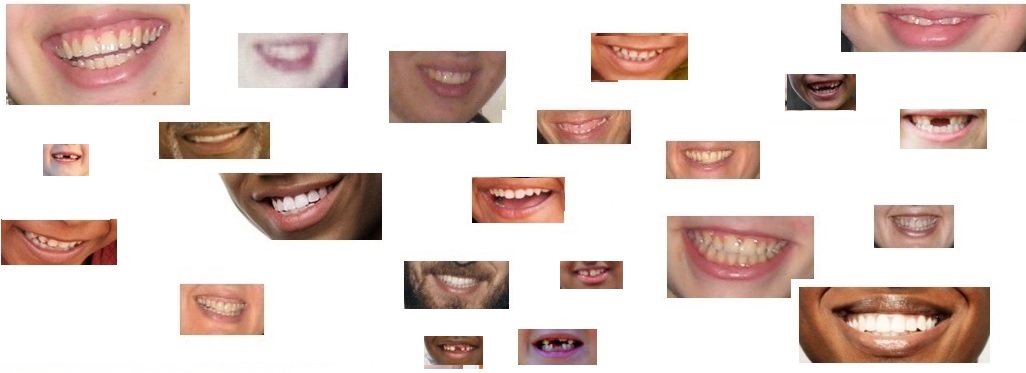
The most powerful weapon that we all possess is the smile. It’s not our muscular strength or our quick witted tongue. The smile is the weapon of choice.

The smile disarms aggressive opponents. The smile acknowledges existence. The smile soothes sorrowful feelings. The smile releases tension.

Many studies have proven the health benefits of the smile. Study after study proves that we should smile more, even when we don’t feel like smiling.

So with all the research that has already proven the reasons for smiling more, what does Spirit want us to know? Here it is…

When we smile, our connection to strength is renewed. The strength of the smile makes us able to face life’s changes and ties us to all others.

star sunglasses

Idolizing celebrities is removing. It literally removes a person from his or her reality, because the reality is away from where the “star” is located. The “star” is living a life somewhere else, and the idolizing person is existing in a place between reality and fairy tale. Fairy tale living is half living incarnate that renders the idolizer removed from reality and removed from time.  Idolizing excessively creates facsimiles of the people doing the idolizing and of the people being idolized. Neither facsimile is real.

Idolized people become their idolized selves or dive into their area of expertise to avoid the fame.  Becoming an idolized self is destructive, because no person can be the idolization of themselves. Avoiding the fame through total immersion in the area of expertise prevents establishment of relationships and well-rounded living. Both results of idolization remove the “stars” from living a real life.

Obsessively desiring to be like a celebrity prevents a person from seeing his or her own talents. When a celebrity’s achievements spur others to achieve their own goals, the teaching is uplifting. When the celebrity’s achievements become obsessions without causing positive results for the idolizer, the worship becomes destructive.

Looking beyond oneself for inspiration is normal human behavior. Watching elders teaches customs and traditions. Listening to others with skills or knowledge as a way to improve one’s own skills or knowledge is useful. Studying the achievements of a person who has impacted others in a positive way is enlightening.

Here are celebrity obsessive behaviors that cause removal from one’s own life:

  • Displaying a holiday card of the family of a celebrity financial planner as if you know this family is removal from your own life.
  • Following the tweets and instagrams of a celebrity instead of communications from family and friends is removal from your own life.
  • Changing your appearance or buying clothes you can’t afford to look like a celebrity is removal from your own life.
  • Changing your activities to watch a “star” walk by is removal from your own life.
  • Abandoning principles and close people for the chance of spending time with a celebrity is removal from your own life.

Obsession with beautiful people is like celebrity obsession, because it creates people who are not real. Physical beauty is part of a person, but not the entire person. Physical beauty is just 1/12th of the person. Admiring a person because of 1/12th of who they are is evaluation misguided. Seeing beyond the obvious is right.

Each person’s star should be lighting the path from the sky and not another person because she sings well or he kicks a ball well. People aren’t stars. They are embodiments of their abilities and talents. They are not meant to be idolized.

Perfect

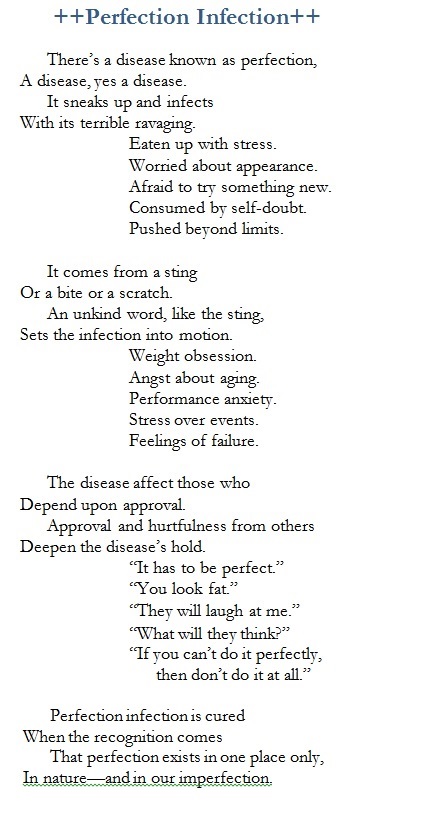
Unfolding—A Collection of Wisdom Poetry presents spiritually inspired poetry. One of the poems, “Perfection Infection”, laments the hurtfulness in trying to be perfect.

When I finished the book, I reviewed it carefully and so did my editor. As far as I know, there is only one typo in the book and it’s in this poem. I think that is fitting.

Read the poem for its message and then see if you find the mistake.

Perfection Infection

Unfolding book cover

Unfolding—A Collection of Wisdom Poetry can be purchased through amazon.com stores: http://amzn.com/1508828229

??Fuck Cancer!!

C

A reaction to death-by-cancer is f cancer and f-you cancer and fuk cancer and #FuckCancer. And yet, cancer continues to confound the experts and the afflicted. And the families of the afflicted (me included). And cancer theories. And past cancer patterns.

Cancer evades understanding because it is so evasive. It quietly enters—sometimes. It takes over enthusiastically—often. It passes through the genes—but not always. It appears to have no symptoms or it creates many symptoms. It surprises us when the young are afflicted. It is tangible and can be removed, but it can get so small that we can’t see it move on. It grows in places that defy explanation. It causes expectations of its appearance—sooner or later.

Cancer is so widespread that we should be indifferent when we hear about another case of it, and yet we react with shock and dismay when another person faces its frightening diagnosis.

If you really want to “fuck cancer” you have to prevent it. Once it strikes, cancer is confusing to fight. Do you rely on the latest invasive methods to remove it? Do you seek out obscure remedies? Do you embrace the things you always wanted to do? Do you give up?

The Fuck Cancer ToDo List

Here are tangible steps you can take to keep cancer at bay in your body. These steps apply to people who are not afflicted by other life-threatening illnesses or who have not undergone invasive surgical procedures (not for cancer). They also don’t apply to people currently experiencing cancer’s difficult presence.

  1. Remove poisons from your life. They include (a) health treatments that list cancer as a side effect or possible side effect, (b) overconsumption of alcoholic beverages, (c) cigarettes and other tobacco products, (d) poisonous cleaning products (products that have poisonous warning labels on them), and (e) exposure to known cancer-causing sources (such as asbestos).
  2. Be aware of pollutants in your areas of home, work, school, and recreation. If you live in an area that is known to have carcinogenic aspects, and you cannot move, be sure to choose recreational activities in an area that is free of similar carcinogens.
  3. If you walk in areas with concentrated car or airplane fumes, do not linger in those areas. If you have daily exposure to these fumes, drink water before and after the exposure.
  4. The more deeply you breathe, the more your body can repair itself. Practice breathing techniques regularly. At night, breathe deeply when lying in bed before sleep to increase the rejuvenating work of sleep.
  5. Part of the body’s care of itself takes place when the body is moving. Exercise and movement are therapies for the body to prevent cancer. Attitude affects the body’s care of itself so if you dislike the exercise you have chosen to do, it will not have the same protective value as exercise you enjoy. Breathing deeply when exercising increases the protective value of the exercise. Walking is the basic exercise that provides protection.
  6. The ill effects of ingredients in processed foods are somewhat known. Don’t eat known or suspected carcinogenic ingredients. Shelf-life preservatives are not protective of the body. Eating fresh foods is best.
  7. Sitting in bed so that the stomach is a table for a book, food, or electronic device interferes with body circulation. Circulation of flows in the body is very important. Improve your posture when standing, sitting, and carrying heavy objects.
  8. Live life with more positivity. When you eat, remember to be thankful and remember to eat moderately. Focus on the parts of the body that don’t hurt rather than the parts that do (and take care of the parts that hurt rather than suffer unnecessarily). Nourish your intellect, and choose intellectual challenges that are interesting. Be kind to yourself.
  9. Protect against the sun’s rays and feel the sun on your body during the less hot times of the day. Working in buildings that have no sunlight streaming in confuses the body’s defenses. Exposure to sunlight is important.
  10. Anxiety experienced when deciding about minor issues (for example, parking the car) is immune system lowering. Releasing anxiety is healing.
  11. Doing work and engaging in life events that upset you are immune system lowering. If you can’t change the work or the life decisions, find positivity in them and release the frustration.
  12. The development of cancer can be slow. Changing one’s lifestyle when the cancer is non-apparent can decrease its growth, especially if the changes include positivity about life decisions and attitude.
  13. Clothing that is dry cleaned, disliked but worn anyway, or too constricting can contribute to immune system lowering. For people who care about the clothes they wear, the clothing should be uplifting.
  14. Spiritual connection can strengthen the body, if the connection is sincere. People who are disconnected from spirituality can be strengthened through connection to nature. The connection to “beyond oneself” is strengthening.

The list might seem long and difficult to follow, but it leads to an uplifting and strengthening lifestyle. Keeping cancer from growing is a worthwhile goal that requires thought and action. Cancer that is transmitted genetically might be harder to prevent, but it is preventable.

My mother died from metastasized cancer. I know what it is to watch a loved one become overcome by the ravages of cancer. Preventing cancer is worth the efforts.

The Fuck Cancer ToDo List for the Caregivers of Young People

Cancer in children is difficult to accept. They haven’t had a lifetime of “bad behavior” to warrant the cancer, and yet the cancer is there nonetheless. The causes of cancer in children are different from the causes in adults, although there is overlap because of environmental causes.

Here are tangible steps you can take to prevent cancer in children. They won’t prevent cancers that are internally generated because of DNA or structural problems.

  1. Remove poisons from the child’s life. They include (a) health treatments that list cancer as a side effect or possible side effect (vaccinations are not being discussed here), (b) tobacco smoke, (c) poisonous cleaning products (products that have poisonous warning labels on them), and (d) exposure to known cancer-causing sources (such as asbestos).
  2. Be aware of pollutants in the areas of home and where the child spends time. If you live in an area that is known to have carcinogenic aspects, and you cannot move, be sure to choose recreational activities in an area that is free of similar carcinogens.
  3. If you walk the child in areas with concentrated car or airplane fumes, do not linger in those areas. If the child has daily exposure to these fumes, provide water before and after the exposure.
  4. Be careful not to “over” the child: over-handle, overwhelm, over-clean, and overmedicate. Too much “overs” can harm the child’s body if the body has internal challenges.
  5. Emotional stresses such as loudness and worry can contribute to weakness caused by other stressors.
  6. Emotional cruelty can be felt by a young child. Whether the emotional cruelty is directed at the child or someone else in the home, it can be immune system lowering.
  7. The body is bombarded by weakening forces all the time (germs and bacteria among others). A young child who is fed foods that weaken or is overstimulated or overtired out can be weakened so that cancer-causing forces enter and proliferate. Feed the child foods that help him or her grow. Keep the child’s environment pleasant. When the child is tired, sleep is the only next step.

When caring for children, keeping their best interests in mind is key to keeping them healthy.

!!Fuck Cancer ??

Cancer can be overcome, but how much better it is to never become afflicted! Following the advice in this blog post cannot guarantee that cancer won’t grow, but it does contribute to a healthier lifestyle, which can contribute to the body’s ability to combat cancer.

Also read “Little” things that contribute to cancer

The information in this blog post has been spiritually received.

Post 96-fake nature

Displays of nature that are not living displays of nature (like artificial flowering plants) are neither good nor bad, but they do affect.

A living plant inside a building adds oxygen to the air, adds beauty, and increases the stabilizing positive energy in the building. It draws the eye and, unknowingly to people, uplifts the soul. A fake plant, no matter its similarity to a living one, can only add beauty, and nothing else. The most important work of a living plant is not only not done, but is lost. The uplifting effects of living plants are important and should not be underestimated.

Eating food in a restaurant that is decorated with fake plants fails to feed the soul. Working in an office decorated with fake plants does not energize the workers. Living in a house that contains only fake plants and no living plants is a house bereft of the soulful energy provided by plants. A smattering of fake plants is acceptable as long as there are live plants as well.

A smattering is the amount to use when decorating with fake plants and flowers.

(This post is repeated from February 4, 2014.)

clouds

Clouds float in the sky, each with its course and oscillation. The clouds float on their own courses, but join and separate when their courses intersect or diverge. The joining can be fleeting or it can last until the clouds are no more. The separating can be complete, with each cloud retaining its original form and content, or it can be wrenching, with one or both of the clouds pulling at the other’s shape and taking part away with it. Clouds can join in groups, staying together until they are no more, or separating singly or in groups, with each separation having retention or taking away. Clouds have purpose, and as they float they perform their individual tasks. When joined, they sometimes perform together or change their purposes. Clouds have interesting aspects.

Friendship has interesting aspects. Friends each have their path and equivocation. They build their lives along their own paths, but join and separate when circumstances bring them together or separate them. The joining can be short-lived or can last a lifetime. Separation can be final, with each person staying on his or her path, or the movement away from one another can bring pain or remembrances of joy. Friendships can be between two or among many, existing until circumstances bring separation, with some friendships remaining and some dissolving. Each person in a friendship has purpose, and the friends maintain their individual purposes as they experience life together.  Their togetherness has mutual influence, and the friends sometimes change their purposes from influence of a friend. Yes, friendship has interesting aspects.

Friends made during childhood can last a lifetime, but holding on to childhood friendships when they no longer bring comfort is disheartening and senseless. Friendships developed through work or proximity are worth developing for the comfort they bring at the time. Building new friendships throughout one’s life is wisdom performed. The joining of people into groups of friends is wise as well.

Clouds and friends, drifting along in joined companionship.

Cover-Contracts for an exemplary life

Resolutions are a beginning towards changing habits or unwanted aspects of our lives. Resolutions are broad and sometimes are too vague to bring success; however, resolutions can be doable when contracts are used for ensuring success.

Contracts for an Exemplary Life is a book filled with contract forms and examples that can be the basis for success with resolutions. The contracts can help with evaluating commitment to resolution goals and can bring focus to the steps needed to accomplish the goals.

“There are over forty examples of contracts to help you write a contract for your personal betterment, for your relationships within your family and with other people, for your legacy, for your influence within your community, and for your impact on yourself and others. There are contract forms to help you develop the contracts that will work for you.”  – from the back cover

Contracts for an Exemplary Life is spiritually received assistance that understands what people want. People want their lives to be expressions of who they are. They want to be actively engaged in living and they want to face the challenges that life presents in a confident and gratifying way. Unfortunately, as they go along, people lose their focus and mire themselves in distracting and destructive activities and habits.

With true-to-me contracts, a person can return to the natural way of being: expressing who the person really is, engaging actively in life, and facing challenges with confidence and satisfaction.

If you would like help keeping resolutions and making true-to-yourself goals, read Contracts for an Exemplary Life—Using Contracts to Achieve Your Goals. It is available on amazon.com: http://amzn.com/1518880746