A Balanced Approach to Wellness!

Posts tagged ‘inspiration’

Thankfulness with Trenta

Thankfulness

Trenta is the large sized drink at Starbucks. Why is it used here? Because largeness is what we want when we’re being thankful. Largeness in feeling and largeness in expression!

Here are ways to add large sized thankfulness into your life:

  • Add an Appreciation ritual to your eating. Consider all the people who contributed to your meal, from the people who worked in the fields harvesting the vegetables to the people who worked in the store or restaurant packaging the food or working the cash register. If your meal includes meat or dairy, consider the animals who gave their lives or milk for your nourishment.
  • Add Appreciation of Abode into your weekly or daily schedule. This ritual can include going from room to room expressing thankfulness for the people who use these rooms or for the rooms themselves. This ritual can include looking at your home/apartment/tent from the outside and expressing thankfulness for the whole structure.
  • Add “How wondrous is the sky” thankfulness to your daily routine. The first time you go outside, even if it’s just to quickly walk to your car, look at the sky and express thankfulness for it. Even if it’s raining or too hot.

Many more rituals can be added to your thankfulness quest:

  • Considering the majesty of your body each time you go to the bathroom is one way.
  • A daily Rising and/or Retiring ritual to start and end your day with thankfulness is balancing.
  • Every time you choose a decorative item for your home (like a rug or a vase) or for your body (like an article of clothing or shoes), quietly give thanks that you have the ability to choose.
  • On each birthday, consider the previous year and give thanks for all that happened in it—even the less good things. Then give thanks in advance for the coming year.

There are so, so many ways to add trenta thankfulness into your life. Remember: the larger, the more effective!

Life as a page

Blank page

“A blank page. Each person’s life when just starting out is like a blank page. Some pages never get filled. Some pages get filled partially. Some pages are SO full of interactions, questions, adventures, accomplishments, failures, starts, stops, and attempts. Some pages are full of starts, stops and attempts, starts, stops and attempts, starts, stops and attempts. Some pages have tentative actions while others have decisiveness. Some pages contain laughter and joy. Some pages, only sadness and disappointment. Most pages have a bit of this and a bit of that, but they don’t have as much as they should of BALANCE, PURPOSE, and SUBSTANCE.”

From the Introduction to Oneself-Living

Life can be viewed in many ways. Seeing it as a blank page allows for creativity and possibility. Filling the page with color and poetry and formulas and shapes and adventure logs and so much more. Or filling it with lists of “can’ts” over and over. A blank page allows each person to make their life into a personal story that is captivating in its uniqueness.

A blank page is what we get at birth. A life that ends too quickly can still be filled with creativity and possibility if the person fills it so. A life that is long can be empty of creativity and possibility if the person fills it so. The filling of the page is important. The color comes from interaction with others and with Spirit. The poetry comes from moments of connection. The formulas come from learning and striving. The shapes come from self-awareness and self-expression. The adventure logs recount life travels, the good and bad, as life develops.

Filling the page with oneself makes the most sense. Not filling it with what others want, but with what you want. What you want…

Each person has a separate page. A separate blank page. It’s never too late to add color, poetry, formulas, and shapes.

Clutter

Clutter

(This blog post was posted over a year ago. I’ve been in some cluttered homes lately [including my own] and I’ve been prompted to remind everyone about the importance of unclutter. Happy decluttering!)

Clutter is an expression of unhappiness. When one’s things are managed in a haphazard way, the first thought should be “What am I unhappy about?” The answers can be surprising.

Causes of clutter

Perhaps the clutter comes from unhappiness about one’s choices—mate, work or profession, or simply one’s choices of possessions

Perhaps the clutter comes from unhappiness about the amount of stuff-too much stuff!

Perhaps the clutter comes from unhappiness about obligations—too many obligations to handle.

Perhaps the clutter comes from unhappiness about one’s current life presentation (in other words, the form of one’s daily life).

Perhaps the clutter comes from unhappiness about having more than one should—guilt over one’s excess gifted existence.

Perhaps the clutter comes from unhappiness about past choices made or past indecision.

Perhaps the clutter comes from unhappiness about the way in which spiritual .omnipotence meted out one’s circumstances.

Clutter is much bigger than it seems.

The cure for clutter

Since the causes are multi-layered, then so too is the cure. Choose one of these cures and if it only addresses parts of your issues, then choose another.

Cure #1: Consider your expectations of yourself. Consider your expectations of your past—did you expect too much from your caregivers or from other important people in your life? Forgive the caregivers who were too tired. Forgive yourself for taking on too much. Declutter one significant area, then observe this area and be proud and kind to yourself. Declutter a second significant area, then observe this area and be proud and kind to yourself. Continue in this fashion until you have decluttered the areas that deserve to be uplifting.

Cure #2: Write a list of all the choices you have made that have affected your clutter. Examine the list to gain insight. Keep the list in a place where you can see it regularly and address each item by decluttering the corresponding stuff. Continue in this fashion until you have decluttered the areas that deserve to be uplifting.

Cure #3: Join a close friend in a decluttering effort. Each of you discuss the choices that have led to your current state of unhappiness. Agree to a decluttering goal and either write it down and sign it or create a decluttering song that you can sing when you declutter your own stuff. Encourage one another. Feel kindly thoughts for the other when he or she succeeds in decluttering. Continue in this fashion until you have decluttered the areas that deserve to be uplifting.

Care for one’s possessions

In general, people living in modern open societies buy too many things. If you see that you cannot care for the things you own, consider relinquishing many of them. Also, if you find that you are spending a large percentage of your day caring for your possessions so that you are unable to meet with friends or family or are unable to give of your time for helping others, consider relinquishing the possessions that require too much care.

Important tests for health

Post 80-Attention

For optimal health, the following health maintainers should be monitored:

  1. Consumption of nutritious and satisfying foods. (Focusing on foods that are bereft of nutritional value or are lacking in the aspects that naturally gratify [for example, fat-free foods] undermine physical, emotional, and intellectual health.)
  2. Interactions with other people. (Too little interaction undermines emotional and spiritual health.)
  3. Participation in physical activities that bring joy and challenge. (Participation in physical activities that are not enjoyed undermines emotional and spiritual health.) Daily physical activity is necessary to keep the bones, muscles, and flows working properly.
  4. Rhythmic breathing that is varied and appropriate for the body’s activities.
  5. Sensitivity to environmental concerns. (Disregard for plant life, water sources, and conditions for animal rearing undermines the grounding of the world and damages physical and intellectual health.)
  6. Appreciation for life’s gifts.
  7. Attention to self-needs. (Ignoring one’s needs damages all the aspects of balanced health. This area does not mean self-centeredness. It means self-support.)
  8. Sufficient and satisfying sleep.

Each of these health maintainers is vital for well-being and balance. Focusing on a few of them is not enough.

“A good life is one in which a person knows that he or she has affected, uplifted, and connected.” from the book “Vitality!”.

http://amzn.com/1499599196

A Visit to the Sea

Sea

The sea called to me one day,
so I went by.
The sea shimmered its magical view,
so I went in.
The sea rushed around me,
so I let it wash over.
The sea beckoned me to listen,
so I did.

I heard
the sound of the sea
and it said…

notice the music of everyday life
drown out the pull to feel entitled or hurt
fill up on memories and movement and connections
let the expectations move on
let the wonder come in.

The sea called to me one day,
so I went by
to hear its song.

From the upcoming book of poetry titled Connection.

Note from 05/08/15: I’m happy to announce that Connection—A Collection of Wisdom Poetry has been published on amazon.com: http://amzn.com/1511788259

To complain or not to complain

pain

There is a woman I know who complains whenever she gets the chance. Nothing and no one is off limits from her fault finding. There is another woman I know who suffers from debilitating pain and who has experienced much more suffering than the woman who always complains, yet she never complains.

“…life is amazing and large, and should be embraced.”

“People are constantly forced to make choices throughout their day.”

“Much depends on our attitude and on our desire to be well.”

To complain or not to complain?

Complaining is easier than accepting responsibility or accepting things that didn’t go the way we wanted. Complaining leads to less awareness of others and to over-focus on oneself. The more a person complains, the less he or she lives peacefully.

Living peacefully

Living as though the events that befall can be handled with neutrality and insightfulness. Understanding that there are ebbs that test our strength and simple joys that overwhelm. Raising concern when injustice occurs and when unwellness or health require care. Remaining faithful when circumstances test faith.

Ways to curb complaining

  1. When you catch yourself about to complain, breathe deeply then breathe more deeply until the desire to complain passes.
  2. Fix what can be fixed.
  3. Help a cause or an organization that helps people with handicaps, helps animal welfare, or helps sustain the environment.

“The feeling of life in one’s body is an extraordinary feeling. Noticing the feeling of being alive, of being awake, of being vital. Amazing!”

The quotes in this blog post are from Vitality! How to Create a Life That Is Healthy.

Rebalance

balance

Once upon a time, we were balanced. That moment occurred when we were born, and it continued to occur when our caretakers cared for us in loving and attentive ways. Balance continued when our caregivers saw our individual nature and nourished our individuality. Balance continued to occur when we grew and people in our community accepted us for who we are. We developed our skills and our talents and we each found our way to develop our influence in the community. We built relationships that were loving and giving and we followed our path until the path stopped. Our influence on the people around us was large, because we were balanced and accepting of ourselves and all around us. We were balanced and stayed balanced throughout our lifetime.

A fairy tale? Balance throughout our lifetime?

Staying balanced is key to living a life that is fulfilling and vibrant. Even if our childhoods were not balanced and even if we did not develop our skills and talents to their potential, we can return to a balanced state by focusing on positive aspects of ourselves and caring for ourselves in a loving and attentive way. Rebalance is possible when we truly want it.

Rebalance occurs when we care for our bodies properly with adequate sleep, proper nutrition, consistent care for the eyes (not too much screen time), and enough exercise. Physical care is not enough for rebalance to occur. We must also balance our emotions through releasing negativity (see https://energy-guidance-complete.com/2014/09/30/enough-drawers/) and connecting to others (see https://energy-guidance-complete.com/2013/10/08/connections-are-the-means/).

Rebalance requires deep and relaxing breathing. Rebalance requires regular connection to nature. Rebalance requires seeing oneself through kind and accepting eyes.

Rebalance is possible. It is not a fairy tale.

Buffet of personalities

Many

Last night I was very privileged to attend a gathering of like-minded people. People who are open to spiritual possibilities, people who are conscious of connection to the earth and to its inhabitants. My heart felt open and expansive.

As I connected with them, I sensed the commonality among us and the nuances of each very different individual. Each person with his or her own struggles and talents, each person striving for meaning and relevance. I felt their combined empowerment and individual contributions. Personal achievements feeding on the achievements of the assembled.

The gathering was not for a cause or a spiritual meeting. The gathering was a birthday party of one of the like-minded people. A cause for celebration and a reason to connect. Food was bountiful, but considerate of the environment (organic and humanely obtained). Disposable dishes were nowhere to be seen—only real plates and glasses and cutlery. We took turns washing and drying after the meal, which offered more opportunity to connect around the kitchen sink. The gathering was all the more joyous because its impact on world resources was minimal.

So many people in the world and so many personalities. If only we could all feel our place in the whole that is our environment, and strive to sustain it rather than abuse it. Each person, with his or her own struggles and talents, feeling responsible for the world in which we live.

Choosing value over wispy fluff

Cotton

“…when moments are wasted or spent on destructive pursuits or focused on valueless fluff, balance and security are taken away.”  This quote pounds us with the truth about wasting time in the chapter “Moment” in Pond a Connected Existence.

I know this wisdom; I truly do, and yet I still choose valueless fluff when meaningful endeavors call to me. Wasteful time wasters abound, and I let them pull me down. Down into the abyss of valueless activity. Far into the place where time is irretrievable, where time is lost and cannot be replaced. Time gone, flittered away on meaningless wispy fluff.

The lure of smallness is greater than the push to impact. Having an impact on others, on society, on global conservation, on local causes, and on family issues, is people-ness. Impacting and not ignoring, impacting and not allowing laziness to win out. To live with narrow expectations might seem easier, but in reality it leaves people empty when the end comes. When the end comes, knowing that impact took place because of one’s positive efforts makes the exit less difficult.

Energy Guidance Complete illuminates the way, but the way has to be followed. Step by step, one change at a time, one better choice and then another. Following the guidance because it is wise and then following the soulfully felt guidance because it is intuitively wise. Energy Guidance Complete and soulful guidance: two ascents that flow from the same source.

(This post is from Exploring Energy Guidance Complete, My Journey, the book I am currently writing.)

The interwovenness of society

Community involvement

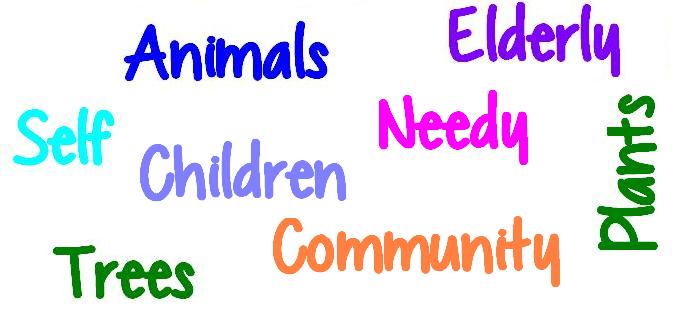
“… a community has various needs that are ever-changing and that differ in importance. The elderly need to be cared for, as do the teenagers. The animals require attention and so does the regional government. Trees and plants give shade and beauty, and they require upkeep and protection. The poor must be seen, and the recycling must be gathered. Each person in a community can participate in an endless number of community efforts, and the more each person does, the more the community radiates warmth and support.

Affect is the goal for each community member. Caring for self and caring for others. Acknowledging needs and addressing them. Connecting with people, relating to the environment, tending to animals. Developing oneself through the attention to community.”

-from Exploring Energy Guidance Complete, My Journey, the book I am currently writing

The trusting eyes

trusting eyes

Look into the eyes of a person whose faith is sure. You will see longing and hope, resolve and centeredness. Certainty in, security in, and clothed in are the descriptions of a person of faith.

Faith is intangible. Faith is an acknowledgement. Acknowledgement of belief and acknowledgement of acceptance. Acceptance and belief enable the surrender to beyond-self possibility.

The intangibility of faith is the difficulty for doubting minds. Proof of beyond-self is wanted by them, but intangibility is just that—intangible. To experience the sense of beyond through gut feelings, flashes of knowing, inspiration (to name a few) is the proof for acceptance of beyond-self.

Faith is opening. Faith is reassuring. Faith is balancing.

Open to the possibility of beyond-self reality.

Connecting to Guidance

This article is reprinted from Healing.Answers.com in the Personal Growth category: http://healing.answers.com/personal-growth/connecting-to-guidance

Post 92-spiritual connection

Have you ever felt a helping hand when you needed assistance? Have you ever sensed guidance during times of uncertainty? There are beyond-life companions that bind to us, and we can access their help and their hope if we are open.

How to Become Aware of Guidance

Awareness of guidance is different for each person. Someone will feel a “kick in the pants”.  Someone else will feel a “tug at the heart”. Guidance can feel like vibrations throughout the body or gentle touches on the skin or flashes of inspiration. Feeling a sense of security or a gut feeling or opening in the throat or a knock on the head are sensations of guidance. Hearing a soundless voice or tasting a sense of a known substance are other forms of felt guidance. Many other types of awareness occur, and each person can experience one of more of these forms of communication.

How to Learn from Guides

Guidance from beyond is available to all, but because of movement away from nature and away from openness to beyond-human-interactions, many people cannot access guidance.  Guidance from beyond transfers wisdom from those who came before. The wisdom assists with decision-making and action-taking.

Each person learns differently, but there are general guidelines. Awareness of how guidance is transferred is the first step, and each person must ascertain the communication forms for himself/herself. The next step is to determine if you want this help. After that, decide how and when you want to use this communication.

How to Develop Patterns that Increase the Guidance

In general, the more a person is connected to nature, the more easily the connection to beyond happens. By observing nature through the senses, connection to beyond usually increases. Although the connection to nature is not necessary for communication with guides, the connection does assist in developing awareness of guidance.  Increased guidance happens when connection to possibilities is cultivated.

What does it mean to cultivate connection to possibilities? Being attentive to the guidance indicators (kick in the pants, tug at the heart, etc.) cultivates connection to possibilities. Being open to receiving the communications and then using the assistance when it is received builds connection to possibilities. Being accepting of oneself is also a way to increase the guidance.

There are no definitive steps for communicating with beyond-life companions, because each person has a pull towards/push away from such communications that is influential in creating or denying the ability to connect. Openness is the key to possibilities.

Balancing the balancing—the intertwined design of life

balance

(taken from my article of the same name on Healing.Answers.com )

“The design of the body is just exact and nearly as beautiful as the most beautiful object. Being brilliantly designed and executed, the body accompanies its inhabitant throughout the body’s existence. Beautiful in motion, in repose, in its beginning and in its ending, ….”  from the chapter “Connection of the Four Components of Health” in Pond a Connected Existence.

“Being brilliantly designed and executed” is the description of the human body. This description refers not only to the physical component of the body, but also to the nonphysical components—the emotional, intellectual, and spiritual components. The body is a complex interconnected creation that demands balance of all the components to be truly itself. Balance is the key to life as designed.

What does it mean to live in balance?

Achieving balance is important to living well. Living well does not mean being prosperous or famous. Living well means living with purpose and with vitality, with awareness of the rhythms of the world, and with connections. Connections to other people, to the environment, to other creatures, to spiritual presence, and to oneself.

Knowing how to live within the constraints of the human body while enabling it to thrive permits the growth and development of a balanced being. Knowing how to give and take love, kindness, and support permits the widening of the emotions and the strengthening of the body. Knowing how to take interest in the world around and in its inhabitants permits the development of the intellect, the development of the emotions, and the versatility of the body. Knowing how to open to spiritual presence enables the relaxing of the spirit, which then relaxes the intellect, emotions, and body. Spirit—mind—emotions—body; all connected, all the time.

What is the first step towards balance?

The first step to bringing balance to the whole composition that is a person is to accept the intertwined design of life. It is important to understand that each decision, each movement, and each interaction affects the connected body in each of the components. By living as a connected human being—connected to oneself and to one’s interconnected composition and connected to all that is around (the environment, other people, the many creatures), a person can thrive and shine in a life well lived.

What is the second step towards balance?

The second step to bringing balance is to create realistic goals that achieve purposeful living. Here are three examples of steps to purposeful living:

  1. Creating warm and lasting relationships with family members and chosen friends balance all four components of health. This balancing goal can be achieved by scheduling time for visits with, calls to, and fun adventures with family and friends.
  2. Avoiding intentional damage to the environment balances the components of health. Thinking of ways to individually create less havoc in the world—less use of disposables, less reliance on animal products, etc.—balances the intellectual and emotional components of health. Following through and doing these things balances all four components of health.
  3. Avoiding intentional damage to our own selves balances the components of health. This step is not easy, but is necessary for balancing. Examining one’s lifestyle, choices, and activities balances the intellectual and emotional components of health. Following through and making changes balances all four components of health.

A simple way to bring balance

One way to balance yourself is to feel the weather. Rather than rush out of the rain, walk in it and feel the raindrops. Rather than avoid the cold weather, dress appropriately but let yourself shiver and notice your body’s shivering. During the hot months, let your body feel the heat and let it sweat.

Conclusion

By taking steps to connect with ourselves and with our situation (our surroundings, our society, and our ability to bring change), we can create meaningful and well-lived lives!

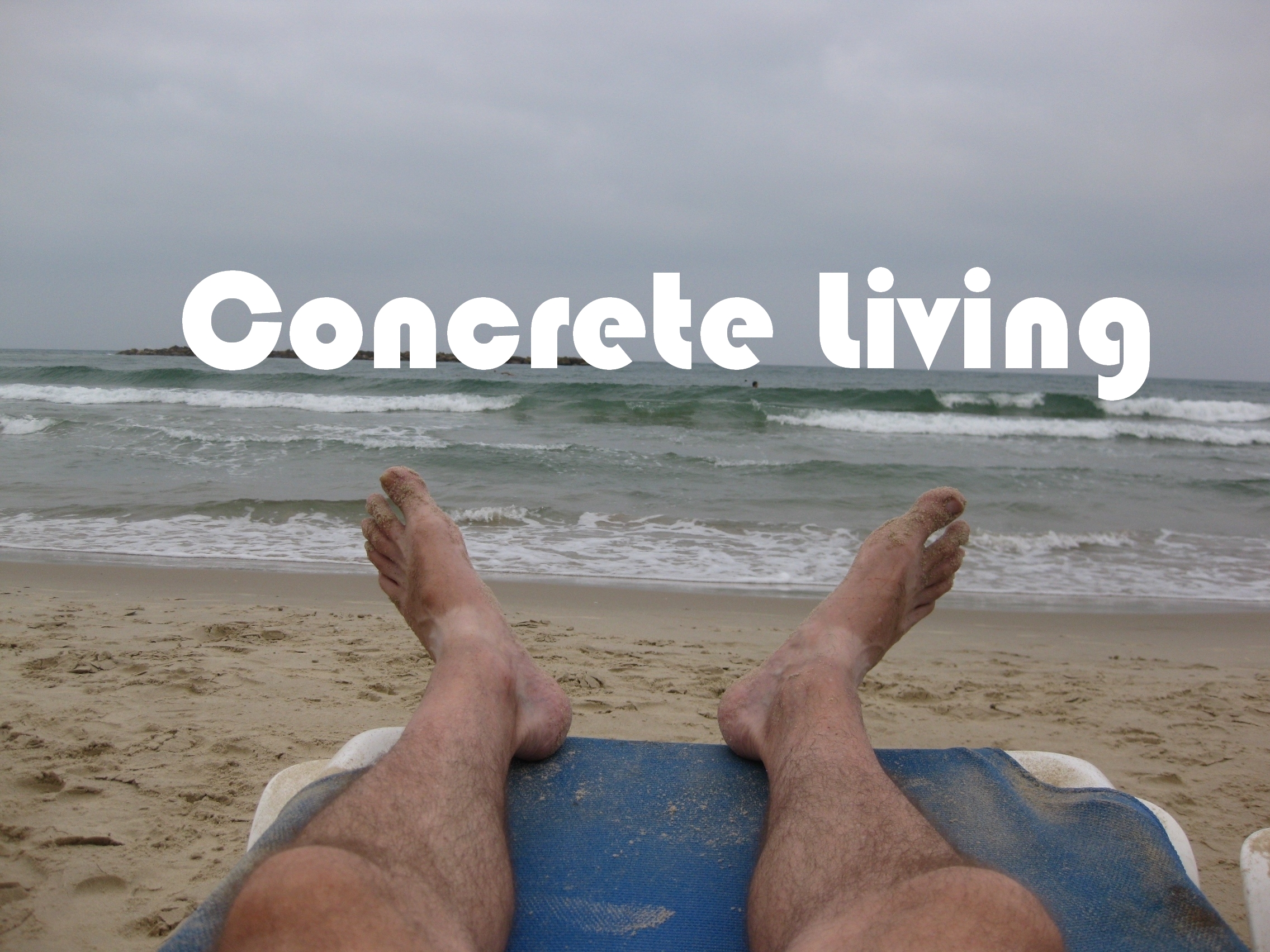
Concrete Living


Concrete Living

From the chapter “Concrete Living” in Oneself—Living:

“The sky is ever changing. The weeds are ever growing. The sand is ever shifting. The bugs are ever multiplying. Natural elements always change, grow (from beginning to end), shift, and/or multiply. The natural order is just so.

People too are ever changing, growing, shifting, and multiplying. The natural order is just so. The body changes, takes in, lets out, grows up, withers away, builds, processes, and moves.

Life is not concrete; life is fluid. The flow may be slow, but stagnated it is not. Life jerks, life cruises and glides, life putt-putts, life sails, and life decelerates. Movement is always linear, from start to finish. Linear in development, multifaceted in development possibilities. The body is born, lives, and dies. The living is huge…or can be…or should be….

… Planning: making plans, long-term or not, short-term or notconcrete living.

Spontaneous actions: last-minute get-togethers or get-goingsconcrete living.

Laughing, smiling, wide-eyed appreciation, willingness to errconcrete living.

Concrete living: living with gusto and with verve, with awareness of an ending and with awareness of possibility, with thankfulness and with generosity.”

Convincing-ness

Convincing

Causes of being convinced

  • Definitive. They say things with conviction so their information must be true.
  • Uncertainty. We don’t really know, so “experts” can determine what we think.
  • Guaranteed. For example: This diet is guaranteed to lower weight; or lower fondness for sweets, saltiness, or chewiness; or lower desire for too-much a a favorite security meal; or decrease bloating and effects of aging; or other desired outcomes.
  • Power. Power builds influence when influence is desired. The force of the influence and the force of the influenced can create ideas that are convincing and are adopted.

Parts of convincing-ness

Convincing-ness requires two parts: willingness and motivation. Those who convince must have motivation (monetary incentives, desire for power, desire for betterment of society or of the environment or of others) and willingness to risk.

When the information being presented is untrue, those who agree to believe the information presented to them must be willing to overlook innate feelings of truth and must be motivated to forego self-censorship. When the information being presented is truthful, it still requires convincing others to believe it and they must be willing and motivated to digest and reuse the information.

Ways in which we are convinced

  • Something appears in print and we’re convinced.
  • We hear a factoid and we think it’s true.
  • A well-known personality endorses a product and we think it’s worth buying.
  • Fascinating speakers convince us that they speak accurately or that they speak for us or that they speak wisely or that they can lead us towards salvation.
  • The truth is difficult so we let ourselves be convinced that it is not so.

Truthfulness

Today’s world is too complex for each person to learn all one can know about the happenings close and far and to know about all the available choices and technologies. Experts are helpful for deciphering the complexities, but most are giving educated opinions, and that fact must be remembered.

Before latching on to the latest study results or pronouncement by a well-known personality, check the motivation of the source and let the information hover close, but not too close, while you decide whether or not it meets your inner sense of truthfulness.

Recycling–Disposable enticement, once again

Disposables

I’ve just returned from an event where plastic was plentiful. In honor of that event, let’s take another look at an earlier post.

——————————–

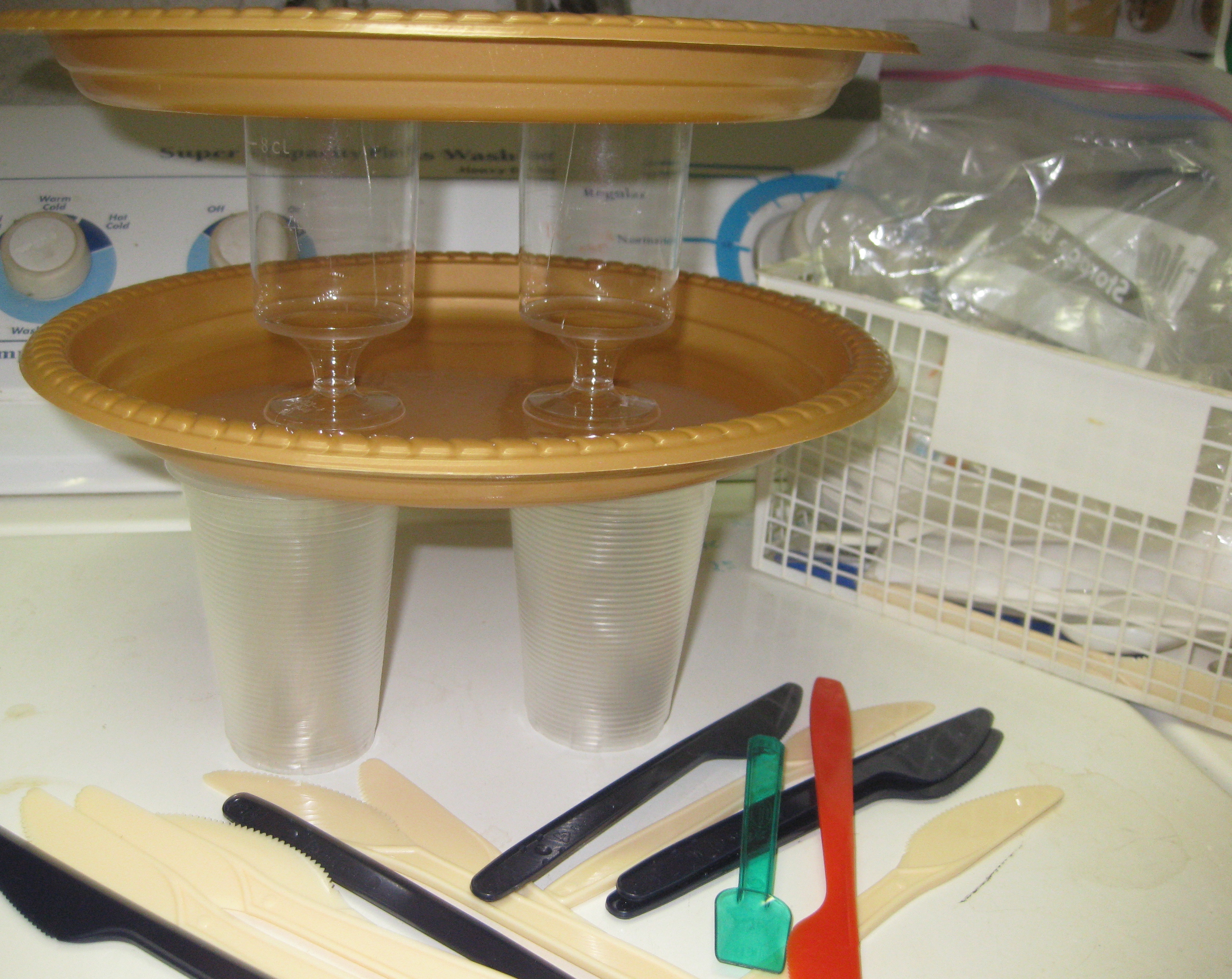
So enticing to trade needs-washing with just-throw-it-away. Disposables, especially those made from plastic, are wasteful and should be used in limited quantities. People have an obligation to maintain the environment. Here’s what to do:

  1. If you are planning an event, aim to use real rather than disposable.
  2. Never use Styrofoam cups, bowls, and plates.
  3. If you attend a regular function where disposables are used, bring your own cup, utensils, etc. so that you are contributing less to the waste.
  4. If you buy ready-made foods and drinks, pay attention to the wrapping and avoid foods and drinks that were packaged too much.
  5. Favor environmentally friendly products over plastic products.
  6. (If you have other ideas, please add in the comments.)

Enough drawers


Drawers

Drawers are useful for organizing life. They can hold cherished memories and long-forgotten mementos. They can hold jewelry and other valuable possessions. They can hide away secret items and reveal longed-for desires. They group, separate, and categorize. Drawers are versatile!

Intangible drawers

Intangible drawers are also useful for organizing life. Intangible drawers are available to all, but are known to few. They can be accessed by understanding that life can be compartmentalized, manipulated, and organized. People who are aware of drawer-availability are prepared ebb-and-flow-wise.

Drawer-strategy is a useful tool for people who have experienced events that were fear-inducing, sad, or overpowering (positively or negatively). By placing the events in separate drawers, a person can move their impact to less so. The events are not removed from memory, because a drawer can be opened and its contents examined. By placing the events in separate drawers, a person can choose to lessen the impact of events that trouble.

Each person who uses intangible drawers has an individualized method for opening and closing them. Here are several ideas for working with intangible drawers:

  • When an unpleasant event occurs—large or small—consciously decide that it will not overwhelm you and create an intangible drawer for it. Place the event in the drawer, and then shut it. If you find yourself thinking about this event, remind yourself that you put it away and can only think about it if you open the drawer.
  • During a restful time, think about an actual structure that can contain facets of your life. The structure can be any shape that works for your life. When you go through your regular routines, picture them being organized in your structure. When events occur that overwhelm, let them into your organizational structure.
  • If visualization is difficult, think of a cave that is not scary. Unpleasant events can be thrown into the cave and pleasant events can stay towards the front. When the need arises to think about a past event, let the cave send the memory out.

Drawer-strategy can calm emotions and can expand to encompass whatever happens that causes emotional imbalance. There are enough drawers to help through any situation.

The power of rabbit entertainment

collage

Entertainment is a normal part of living. People love to be entertained and to entertain. Entertainment can come from many sources.

Entertainment can be catered by the environment: beautiful displays of scenic glory; seasonal changes that bring captivating sights and physical pleasures; water in many forms—crashing waves, churning flows, frozen formations, and enchanting and mystifying rain; vegetation that pleases the eye and delights the palate; possibility of personal discovery; and more.

Entertainment can come from other inhabitants of the world: soaring birds, energetic monkeys, interesting giraffes, poised flamingos, butterflies in flight, entrancing fish, frolicking rabbits. Domesticated animals bring joy and wonder to those who care for them conscientiously.

Entertainment that is most entertaining is the entertainment provided by people. Musical performances, artistic works, dances, stories presented on paper and through performances, riddles and jokes, mime and magic, gatherings, cultural differences, religious expressions, celebrations. Less entertaining are jokes at the expense of others, ridicule, and forced participation in unpleasant endeavors (such as pornography, cruelty to animals, and dares).

In The Gift of Intuitive, Dedicated Comfort, connection with other people is explained, including the importance of entertainment:

“Entertainment is an interesting aspect of connection to other people. People find other people fascinating. The achievements of others are fascinating; the choices of others are fascinating; the habits and rituals are fascinating; the thoughts and ideas are fascinating. In addition, the bad or difficult or sorrowful events that befall people are also interesting. In general, people never tire of observing the antics of others, which is fine, because we are designed to find others entertaining.”

No matter one’s circumstances, entertainment can be found in many facets of life. One has just to be open to the wonders of life!

Fullness

Fullness

What is fullness? I thought I feel it almost every time I eat, but Spiritual Presence informs me that I don’t feel it enough.

What fullness am I learning about?

The fullness one feels when seeing a dear, loved one. The fullness one feels when looking back upon one’s actions and being satisfied. The fullness one feels when letting the awesomeness of nature completely overwhelm. The fullness one feels when working with others to improve everyone’s surroundings. The fullness one feels when the amazingness of weather is experienced. The fullness one feels when welcoming a new life into one’s home or community.

Fullness is a sense of comfort, of appreciation, and of understanding. Fullness is satisfaction. Opening to self-contentedness is fullness.

The fullness we feel when we eat a sustaining, nutritious meal is this type of fullness.

Connection!

Guidance for the Journey

Journey sign

“The journey through life is a series of starts and stops, U-turns and wrong turns, ups and downs, unobstructed paths and no entry areas, straight and obvious routes and winding and precarious backstreets, unpredictable events and constant rhythms. The journey through life is perceived as difficult, or difficult and interesting, or difficult and unfair, or difficult and deserved, or difficult and surmountable, or difficult and this-or-that. The journey through life is varied in length; a short life is mourned and a long life is accepted. The journey through life is similar for all in that it starts with a breath and ends with a gasp (except in cases of sudden unnatural death).”
…from Oneself—Living

We all enter life with stumbling blocks in front of us. Some stumbling blocks are more difficult to pass and some stop us completely. The journey is meant to be trial-and-tribulation full, not smooth-sailing-the-whole-way. The idea that life is supposed to be easy is a marketing ploy that cripples and weakens us. Life is not a laundry detergent commercial with all the stains coming out, clean as new. Life is complex! Yes it is, and the more we prepare for complexity, the more we can exalt in the journey.

Here is guidance for the journey:

  • Learn to breathe properly and variedly. Knowing how to breathe through the changes in life will help you stay focused and well.
  • Develop your senses. Use your eyes to study the world. Use your nose to create memories. Use your ears to connect with animals and plants. Use your mouth to nourish your body. Use your hands to create. Use your bodily awareness to connect with other people.
  • Know yourself. Know the things that draw you to them and the things that repel. Know your temperament and accept it. Know your abilities and your drive. The more you know yourself, and live accordingly, the more you can live truthfully.

“After a life is over, a new life will one day come. A different body and a varied soul that will live life anew. Each incarnation with its challenges and successes-defeats. Each incarnation with its relationship groups changed yet revisited. Each incarnation in the continuous cycle of life-death-life-death-life-death-life-death-life.”
from Awaiting Light