A Balanced Approach to Wellness!

Posts tagged ‘life’

The huff ‘n’ puff balancing cardio exercise

Here is a video showing how to do the huff’n’puff, an exercise that strengthens and balances the four components of health—physical, emotional, intellectual, and spiritual. It was described in an earlier blog post: https://energy-guidance-complete.com/2014/05/15/aging-is-manageable-when-breathing-is-huffnpuff-post-4/

This video presents the basic steps of the huff’n’puff. You can modify it to suit your physical abilities and concentration. It is a cardio exercise. Be sure to be well hydrated before doing the huff’n’puff.


Strengthening all four components of health at once is a way to age wisely.

Happy huffin’n’puffin!

Health throughout aging, post #7

Post 131-huff'n'puff flowers

Many people want to age well without investing in wellness. Just doesn’t happen. Aging well involves lifelong commitment. The commitment? Awareness. Awareness of growth and awareness of decline. Both states exist simultaneously and they present us with daily treasures and possibilities.

There are three key steps to maintaining health throughout the aging process. The first step is proper breathing, When we breathe properly, we bring possibilities to our existence. We are aware of the next two steps, but perhaps we don’t realize their key-ness. They are love of oneself and connection to others.

Breathing properly

The last six blog posts have extolled the value of proper breathing.—breathing that is full and varied, breathing that is enlivened through movement and exercise, breathing that is contented, and breathing that is joined with others. The first step towards aging well is breathing well.

Caring for and loving oneself

There are several blog posts about self-love which you can find in the category titled “Self-love”. The more we care for our needs, the more we can give to others and to the world in which we live. Loving oneself is not a selfish thing; it is natural and necessary for maintaining good health throughout the aging process.

Connecting to others

There are several blog posts about connections which you can find in the category titled “Connections”. “Togetherness is vital for normal human development.” – from my upcoming book, Awaiting Light—Understanding the Development of the Soul. People are designed to connect to other people,  to nature, and to the other inhabitants of the world.

How to proceed

There are no magic bullets for aging well. There are no super foods or super exercises. There is simply living life with awareness—awareness of one’s surroundings and awareness of one’s place in them. Mistakes get made along the lifepath. If they are not too serious then their impact is not too seriously felt.

Here are the things to do:

  • Drink water when you’re thirsty (no other drinks)
  • Sleep the amount of time that keeps you functioning energetically (not easy for parents of infants, but somewhat doable even for them)
  • Eat foods that are satisfying to the body (see the blog posts in the category titled “Food”)
  • Move a lot—take breaks, walk, dance, skip, etc.
  • Pay attention to the activities that pull your attention so that you know the things that you naturally enjoy. Then make time to do them.
  • Spend time with family and friends. We need them when we are up and when we are down. And they need us too.
  • Spend time in nature!
  • Work with a smile on your face and gratitude in your heart!
  • Be satisfied!

These are the things that Spiritual Presence wants us to know. These things help lead us through life in a fulfilling way. These things bring awareness, possibilities, and vitality!

Post 130-breathe


Aging is manageable when breathing is free, post #6


Sequoia

Many people live long, but their lives are plagued by ill health and/or ill mental health. What can we do to live more “not ill” and to live less worriedly about difficult aging? The last five blog posts have explained the importance of breathing for quality health.

Being in nature naturally opens our bodies to healing breathing when two conditions are met: 1) we want to be there and 2) we consciously connect with the flora surrounding us.

Two conditions neutralize the healthful aspects of being in nature: 1) we focus on other stimuli such as headphone-delivered music or words and 2) we consciously ignoring the flora that surround us.

Two conditions cause detrimental consequences when we are in nature: 1) fear and 2) worry.

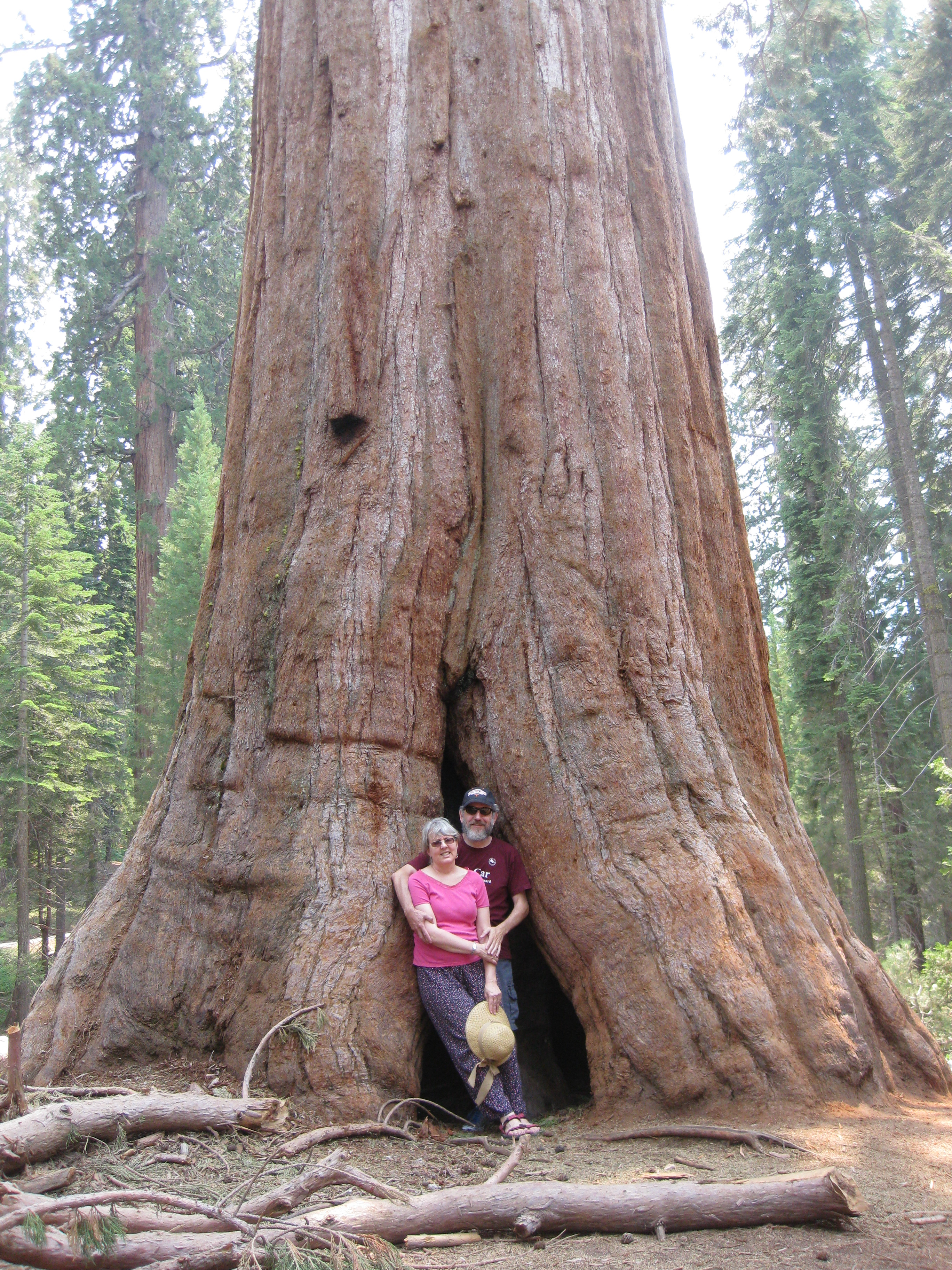
Here is a personal example of the various conditions. Two years ago (before I was knowingly connected to Spiritual Presence), I went to Sequoia National Park with my husband and children. The weather was hot (August), but we were dressed appropriately and had plenty of water with us.  As we entered the park, I was overwhelmed by the beauty and the majesty of the trees, and I was keen to start our hike. Off to a good start for healing breathing.

We went to the visitor’s center to buy a map and learn whatever the park workers had to tell us. The excitement to get walking was building. As we were buying the map, the worker who was helping us warned us about the presence of bears in the park. I, who grew up fearful, immediately became fearful. I tried to pretend that I was not, but inside I felt frightened. On the hike, my family wanted to stray from the populated paths and walk in the more interesting areas. At first I agreed, but the fear nagged at me. I did enjoy the magnificent trees and I did feel SO grateful to be there, but the fear kept encroaching on my happiness. After we met up with other hikers who had spotted a bear in the distance, I urged my family to go back to a less secluded path. I kept my fear to myself because they were having such a wonderful time, but it remained my constant companion until we were back on the way with the masses. From that point on, I relaxed and enjoyed the wonderful green world around me.

My fearful existence during that hike did not contribute to my good health. The fear was too strong for the circumstances. The others in my family experienced the healing breathing that accompanies connection to nature.

Being in nature should be nourishing, not the opposite. Nature is here as our healing space, if only we can see that. We receive much, much more than we realize when we connect to all that nature has to offer. (I wish I had known that at Sequoia before I let myself give way to old fears. These days, I am more accepting of the uncertainty that comes with walking in the woods.)


That’s it for now. We’ll continue to explore breathing in one more post.

Aging is manageable when breathing in unison, post #5

Post 132-breathe-in unison

Breathing is key to longevity and quality of life. The rhythmic movements of the diaphragm and lungs determine vitality. Supplying oxygen, supplying force.

Joining together in song is longevity and life-quality bait.  The more we sing with others, the more possibility of bypassing lower quality living.

Singing in a choir

People who take part in choral singing increase their quality of life, if the atmosphere in the group is uplifting. When ill-thoughts abound in the group, there is no increase in quality of life—and there is no decrease either. The actions of the organizer are no more influential than the actions of a single member; therefore, each member contributes to the overall atmosphere of elevation or neutrality. People who sing in a choir need to be cognizant of their contribution to the group besides their harmonies. (This statement does not mean that people who sing in choirs should not attend a practice because they had a hard day. It means they should be participating in the group because they really want to be there. They should not let idiosyncrasies of others in the group lower their group experience.)

Singing in a de facto choir

People who take part in group singing, such as at a religious service or a music concert, can also have their quality of life increased by the experiences, if the atmosphere is transcendent. In these circumstances, the actions of each participant is less important to the overall achievement of the group. Even the singing of one song by the group can influence quality of life. Singing from the heart is the key ingredient.

Breathing and singing

Contented breathing can occur when a group (of three or more) joins force in song. The actual sound does not need to be beautiful, but the intent does. Singing to feel joyousness, singing to entertain one another, and singing to satisfy the need to sing bring connectedness that is beyond ordinary communication. (For an explanation of contented breathing, see the blog post “Aging is manageable when breathing is contented, post #3”).

Singing alone

The need to sing is stronger in some people. It is a natural, soul-bestowed need. People who feel they must sing should not bottle-up this need. They require song in their ears, in their throat, and in their entire being. The reverberation of sound in the entire being brings balance and connectedness for them. When they sing, whether in a group or alone, transcendence can occur if they understand the force of the self-made music. This last statement also applies to people who create music using instruments.


That’s it for now. We’ll explore breathing more in the next post.

Aging is manageable when breathing is huff’n’puff, post #4

Post 131-huff'n'puff flowers This post is a continuation of the information I have been receiving from Spiritual Presence about aging well. Physical exertion is necessary for aging well. The breathing that accompanies physical exertion strengthens the body and prepares it to handle unexpected traumas and illness. There are many types of physical exertion that induce strengthened capabilities. Each person is drawn to different types of physical activity. Most physical activity builds and maintains the physical component of health. Some types of physical activity also affect other components of health—emotional and intellectual. Less often, physical activity affects all the components of health, which includes the spiritual component. Achieving physical, emotional, intellectual, and spiritual strengthening and balancing through a single type of physical activity is possible through the following exercise that I am going to teach you (as given to me by Spiritual Presence). It is called the huff’n’puff. It’s sort of a marching exercise.

How to do the huff’n’puff

This exercise must be done outside. While doing the exercise, you should look at a flower or flowering plant that is low so that your chin will be held slightly downward. If the plant is too high and your head is held straight forward or higher, then your breathing will not be correct and balance will not be achieved. If there are no flowers, then look at an interesting low plant.

  • Before you start, become aware of the physical and spiritual balance points on your body. One point is located in the middle of the ascending colon and one point is located in the middle of the descending colon. My simple diagram will give you an idea of where they are located:

Post 131-huff'n'puff diagram As you do the exercise, try to physically support these points (basically, that means to suck in your gut. Actually, it’s more than that, but sucking in your gut is a good start.)

  • Stand opposite the flower with your feet comfortably apart, with your chin slightly down and look at the flower.
  • Your feet will be doing a sort of march in place: one leg marches and the other leg kicks forward. You will alternate the marching/kicking whenever you feel like switching leg activity.
  • As you march, your arms will swing energetically as if you are walking at an energetic pace. Every so often you will raise your arms over your head and wave them from side to side. Alternate the two arm motions as you like.
  • The entire time you do this exercise, you focus on the flower, noticing its characteristics.  To add the spiritual dimension to the exercise, while you are looking at the flower, marvel at its wondrousness.
  • Do this exercise for as long as you feel comfortable. Each person is at a different physical activity level.

I will aim to make a video explaining how to do the huff’n’puff.  If my instructions are clear to you, go ahead and try it. I’ve done it and it’s not hard.

Update: Here is the video: https://energy-guidance-complete.com/2014/05/25/the-huff-n-puff-balancing-cardio-exercise/

Strengthening all four components of health at once is a way to age wisely!

Aging is manageable when breathing is contented, post #3

Post 130-breathe

This post is a continuation of the information I have been receiving from Spiritual Presence about aging well. It was inspired after I watched a report about people living into their 90s.

The key to good health throughout life is breathing as designed. We are designed to breathe rapidly, slowly, at a neutral pace, and contentedly. Contented breathing is the subject for this post.

What is contented breathing?

For contented breathing to occur, several emotions must surface in a short space of time. These emotions can be satisfaction, caring, serenity, devotion, joyousness, and transcendence (also other emotions that are similar). Contented breathing requires three of these emotions to be felt within minutes of one another.

What leads to contented breathing?

Typical actions that can lead to contented breathing are 1) feeling a part of the world while being in nature, 2) having sexual intercourse with a person you love and in the course of the contact orgasm is achieved, 3) for women—breastfeeding in a relaxed and nourishing environment, 4) for men—total immersion in a challenging and interesting endeavor, 5) taking part in family or community events that bring joy and feelings of generosity, and 6) taking part in children’s views (which means feeling a child’s view when interacting with children).

Participation in sporting events sometimes leads to contented breathing, but mostly to rapid and neutral breathing. Same for dancing and attending performances. Creating music can lead to contented breathing depending on the feelings of the musician at the time.

Contented breathing: breathing that is all-components

When contented breathing takes places, all the components of health are nourished. The breathing exercise from yesterday’s post teaches contented breathing. Contented breathing connects the physical with the spiritual with the intellectual with the emotional.


That’s it for now. We’ll explore breathing more in the next post.

Aging is manageable when breathing is understood, post #2

Post 129-breathe

Breathing is key to longevity and quality of life. The rhythmic movements of the diaphragm and lungs determine vitality. Supplying oxygen, supplying force.

Many people attempt to lengthen their life by eating well or by seeking purpose. They misjudge sometimes.

Eating well?

Eating well is important; however, people who focus on the food they eat as if it is the answer to all their problems and they lose sight of proportion often breathe narrowly. They are too worried about each morsel that enters their mouth and they create an opposite effect–>the worry alters breathing negatively which then alters quality of life negatively.

People should eat wholesome and nourishing foods because the body requires them to function properly. The over-focus about nutrients and the under-focus about joyful eating create breathing that is stifled. Not good for aging wisely.

Looking for meaning?

Searching for meaning in life is uplifting, but can create havoc for the body when the focus on spirituality outweighs body care. Spirituality is just one aspect of living. Health of the body, emotions, and intellect are important as well. Deep breathing performed in meditative mindset is beneficial—yes, very beneficial.  But it is just one type of breathing that the body needs for creating good health.

Purposeful living brings many benefits, and one of those benefits can be longevity. Purposeful living combined with varied breathing (deep, neutral [neither deep nor quick], quick, intensified, and happy [when the emotions produce feeling of contentment]) lead to aging that is less troublesome.

An exercise to reach all four components of health

“When you breathe, you do so much more than fill the lungs with oxygen. You fill the body and soul with life-giving force.

Each day when you awaken, breathe deeply and remind yourself that your breathing adds oxygen to your lungs, adds hope to your emotional being, ignites your thinking abilities, and connects you to spiritual possibility.”

-from Vitality!—How to Create a Life That Is Healthy (to be published soon)


That’s it for now. We’ll explore breathing more in the next post.

Aging is manageable when done properly

Post 128-breathe

I recently watched a report about people living into their 90s. The researchers looked at lifestyle and physical factors. In general, they were confounded by what they learned. Things that people think aren’t good for you seemed to be somewhat helpful (not talking about smoking or obesity, which aren’t good).

Many people live long, but their lives are plagued by ill physical health and/or ill mental health. What can we do to live more “not ill” and to live less worriedly about difficult aging.

I have just asked Spiritual Presence what we need to do to not only live longer, but to live well. Here is the main tip: BREATHE! The more varied, deeper, relaxed, intensified, the more a person can live well.

B—R—E–A–T—H—E! breathe!! Br-e-at-he! breathe! BrEEEEEth!

The more varied the breathing, the less chance for illness to set in.

Let’s look at a few things experts tell us to do to live longer:

  • Regular exercise: it’s not the regular exercise that makes us live better, it’s the intensified and smoother breathing that regular exercise causes. Also if the exercise makes our body feel good, then we breathe more fully. Pain forces narrowed breathing. (Painkillers won’t fix the narrow breathing; addressing the cause of the pain is required.)
  • Drinking red wine: it’s not the resveratrol  in red wine that makes us live longer, it’s the relaxed breathing that moderate drinking induces.
  • Social involvement: the more we are socially involved, the more our breathing varies as we speak with others, have physical contact, feel different emotions, etc.

That’s it for now. We’ll explore breathing more in the next post.

Living life in Technicolor!

(taken from my article “Living in Technicolor” on HealingAnswers.com)
Post 127 technicolor


Life is a multi-colored, multi-dimensional experience. Each person’s life is a portrait that presents the richness and fullness of the life. The more a person experiences, the more colorful the portrait. As explained in “Pond a Connected Existence”:

 “The moments accumulate and produce the picture that is one’s life. Enriching moments are vibrantly colored; valueless moments are dull and unexceptional….The picture that is one’s life has dimensions: smooth in places that are enriched, jagged in places that are unbecoming, two-dimensional in places where a choice was not made. The form of the picture can be SO large, one simply has to choose to be giving and engaged and willing to participate in a well-lived life. Life that is experienced through true living lights the way for others.”

If each person were to think of his or her life as a painting, they might live life differently. The daily routine may seem colorless, but actually it can be very vibrant if the days are filled with many moments of connection.

How can I add color to my life’s portrait?

Each time a person aids another person, cares for a pet or protects the environment, the portrait is colored vividly. Each time a person scorns another person, abuses an animal or destroys the environment, the portrait is painted in lines that are flat and thin. The better the behavior, the more beautiful the portrait.

Does the length of life affect the portrait?

Yes and no. An infant who dies has not yet had time to accumulate a life portrait. A child’s portrait is affected by the caregivers’ treatment. A young adult begins to accumulate texture and vibrancy in the portrait, especially if the life is a positive force. The more experiences a person has, the more chance for a rich and textured portrait. An older person’s portrait has many layers because the longer a person livesת the more chances to make amends and fix past mistakes.

Can I add texture to my life’s portrait?

Texture is added when a person gives kindness, empathy, and trustability. Texture is also added by facing adversity with resolve and action. Even small displays of these qualities develop the texture in the life portrait.

How does connection to nature affect the portrait?

The more a person is connected to nature, the more vivid and varied the colors in the life portrait. Hiking in the hills adds more color than walking around a mall. However, living in nature to avoid other people does not add to the portrait’s texture.

What about creating a connected portrait with my partner?

Each person has a life portrait. There are no duo portraits. Each person’s feelings are his own, actions are his own, and so on so that combining life portraits is not possible. With that said, there is a possibility of similar sections when the love that is displayed between the two is love that is supportive, accommodating, and devoted.

Conclusion

When we consider the effects our lives can have on the community in which we live and on other people, we often think that our contributions are negligible. If we picture our lives as portraits in progress, then perhaps we will realize how much our actions and involvement matter.

LET’S PAINT!

Body Care

Post 126-body massage

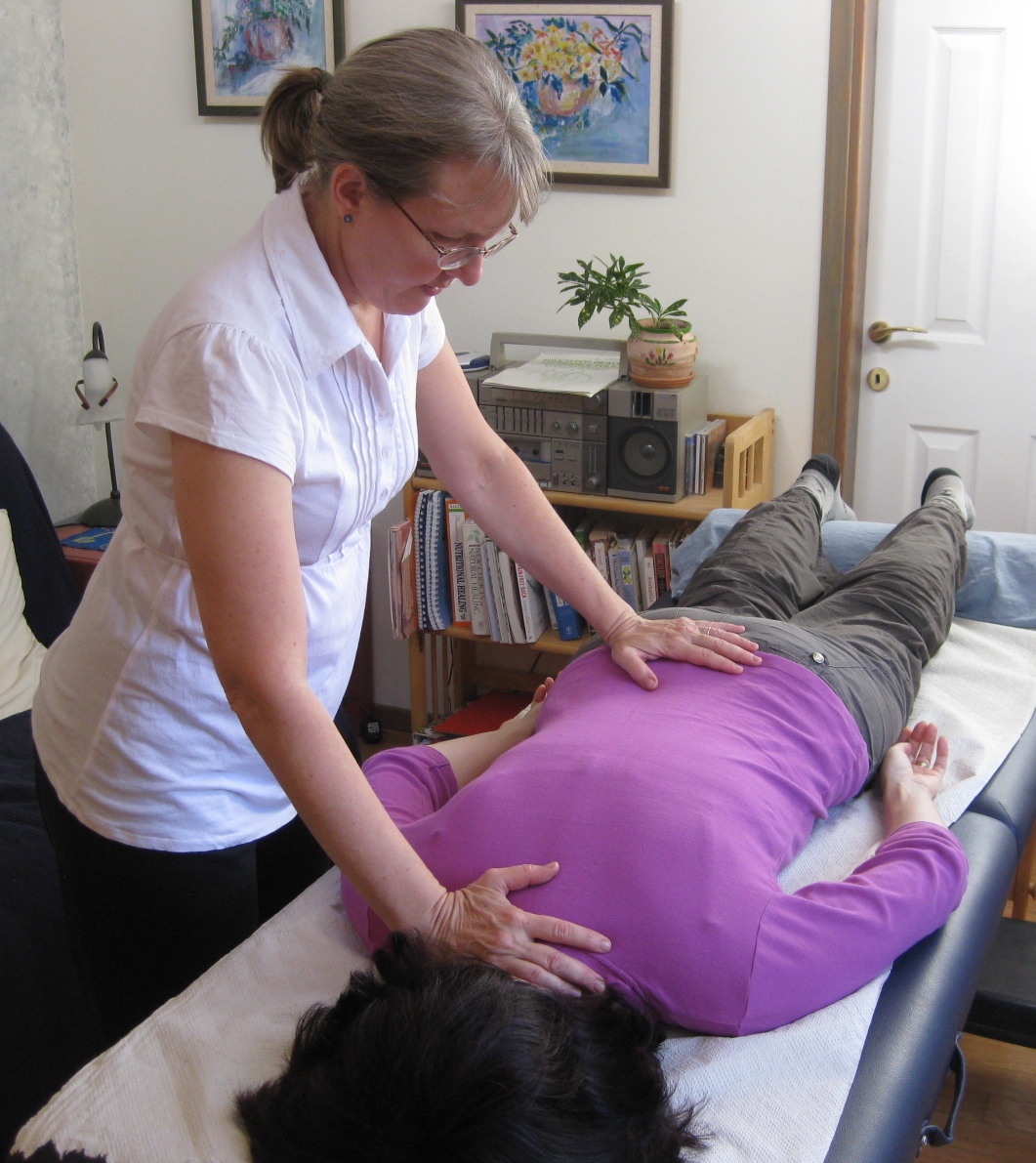
That’s me starting a Libra Method spine-balancing treatment. Libra Method is relief for the back through gentle realignment of the spine.

This treatment was developed by my teacher, Daniele Gould, in Israel in the 1980s. I learned about Libra through my personal experiences with back pain. A severe back injury after the birth of one of my children led me to Daniele Gould. Her treatments not only restored my back to its normal functioning state, but they also inspired me to pursue the study of Libra.

The treatment has three stages:

  1. Identifying the sites where the pain originates and realigning displaced bones through customized movements performed by patients, within the limits of their strength and ability, under the constant guiding touch of the Libraist.
  2. Identifying and balancing the muscles that caused the misalignment (more complicated to explain).
  3. Analyzing the causes of muscle failure (trauma, poor posture, misuse, or repetitive use), and when needed, teaching the patient how to avoid recurrence of the problem.

For now, this treatment is only available in Israel. One day, I hope it will be available throughout the world. Libra Method is a gentle, yet powerful holistic way for treating pain in the spine and in joints throughout the body.

EGC comment

If back or neck pain is caused by physical problems, then a physical treatment like Libra can remedy it. If the pain has additional causes such as stress or the joy of complaining, then no physical treatment can completely remedy the problem.

The picture of perfection?

Post 125 picture almost perfect

“Picture crookedness is life in reality. Crooked smiles, crooked teeth, crooked noses, on and on. No need for photoshopping. Real life—in its imperfecttion and individuality. Life lived in truth, not in denial. Life lived in gulps, not in narrow sips. Life experienced widely, largely, encompassingly!”… from Pond a Connected Existence.

There is no such thing as perfection (by humans), and aiming for perfection is time wasted and effort expended for naught. Perfection is the realm of spirit so people cannot reach it.

Understanding that perfection is unattainable is the first step towards true living. No one has to be perfect at anything. Doing one’s best—yes! Practicing and practicing so that one’s performance is very good –yes! Learning and studying and learning more so that one’s work is done well—yes! Applying oneself wholeheartedly—yes! Settling for mediocre—yes or no depending on the importance of the task. Settling for pretty good—yes or no depending on the importance of the results.

“Picture perfection elicits reactions that are not balanced. Picture perfection generates envy and self-doubt. Output perfection, input covetousness and pining. These inputs can lessen our opinions of ourselves. We think the other has more or is more or does more. We think that we have less or that we fall short. This negative sense of self is mistaken behavior. And it is continuously engineered.” … from Pond a Connected Existence.

Yes, engineered. People are manipulated into buying things because of manipulation of pictures. People are controlled by advertisements that promise perfect results. Ignoring these constant messages is not easy, but is doable when we understand the extent of manipulation and intended control.

The more we understand how much we are manipulated, the more we can be real—a bit crooked, but truly as intended.

Music! It’s our natural entertainment!

Post 124-music

Making music is basic. Basic need. Basic urge. Basic aptitude. Basic activity. Basic therapy.  Making music heals, entertains, balances, and comforts. The ability to create music is in all people because all people require music to live in this world. Music is basic.

Playing an instrument, singing a song, clapping hands, snapping fingers, clicking, whistling, humming, tapping the feet, bringing sound out of varied items—no matter the tools used, what is created is music. Performing for others is not required when creating music. The most important audience is the music creator.

Children naturally sing and bring music into their world. They listen carefully to sounds, and notice the sounds that are emitted when they clang things together. Noise is not what they are making; they are making music! And they are learning and understanding when they create all the various sounds that children tend to make. As children are socialized, they are often chastised for the various cacophonous sounds they create, and they learn to limit their music creation. The loss of the ability to create natural music is a contributor to ants-in-the-pants behavior because the natural pull is to hear own-made sounds.

Recorded music is less nourishing than own-made music, even if the recorded music is by a virtuoso. Sitting in an audience when music is being made is more nourishing than listening to a recording alone. Sitting in an audience when a singer is lip-syncing to recorded music is more nourishing than sitting at home listening to the recording because “music” is created with the clapping, singing along, and so on. Listening to a recording and singing along is not as nourishing as singing without the recording, but it is nourishing. Listening without singing along but dancing, clapping, snapping, or doing other movements that relate to the music is nourishing.

As people age, they often leave off making music. Too busy. Too many “more important” things to do. Not so. People should make time to sing, play an instrument, hear live music performances, take part in live music performances (including religious services), and explore sounds.

(I want to dedicate this post to my good friend Lisa who has just taken up the bass guitar! Looking forward to tapping along—and dancing—to her bass rhythms.)

Live abundantly. How? Desire less!


Post 123-live abundantly

The way to abundant living is through self-elevating more and complaining less. Complaining raises expectations; self-elevating raises satisfaction.

What does self-elevation mean? Raising oneself by being aware of one’s own abilities and strengths, knowing how to be focused, and knowing how to be appreciative.

Self-elevation requires three things:

  • Living according to intuition and understanding of oneself
  • Being aware of self-imposed stumbling blocks and purposefully removing them
  • Connecting to less

How do I live as I truly am?

You can create a life that is authentic to who you are by noticing how you feel when you do things that un-happy you. Not that you must be happy all the time. That’s not it—at all!

A person can be doing very difficult work, but the work doesn’t cause unhappiness. Only if the work goes against one’s values or against the good of one’s neighbors/community does the work cause unhappiness.

You live an un-unhappy life by cultivating awareness of others’ needs and understanding how their needs and yours are similar. You live an un-unhappy life by cultivating health and healthful living. You live an un-unhappy life by driving yourself to do the things that make you swell with pride and fulfillment.

How can I be aware of my self-imposed stumbling blocks

You build stumbling blocks throughout your life when you internalize negative thoughts from yourself and others. Removing them requires that you realize you are holding yourself back, that you plan action to do the things that are important to you, and that you follow through. Not easy, but doable.

How can I be satisfied with less?

Living with less is key to living abundantly. When you have less stuff, the stuff has more value. This statement does not mean that you have to sell your home and move into a mini-house. It means you can have stuff, but that you minimize it to the stuff you need and that you care for. Collections are fine—even broadening, but not everything needs to be collected and overdone.

When you see something you want to buy, consider whether or not you need it and whether or not is causes you to feel vitalized. These questions can apply to buying almost everything including food, clothes, and electronic equipment. The less you need, the more you appreciate.

Screen! My beloved screen!

 Post 122-screen love affair

If people looked at a garden as much as they look at their computer screen, they would be more alive. If people looked at the faces of other people as much as they look at the faces on their screen, they would be more enriched. If people looked at their living environment as much as they look at their screens, they would be more active.

The time spent with the smartphone screen, computer screen, TV screen, tablet screen is time spent. Sometimes wisely, sometimes not. Time that cannot be returned, that cannot be spent on more sustaining activities.

How to break free of the screen love affair!

For adults

  • Don’t turn on any screens in the morning, unless you need them for work, in which case, only turn on a screen right before you are going to use it (for work).
  • Turn off all screens two hours (or more) before bedtime.
  • In the middle of the day, do the same as above. Turn off screens unless you are using them for work. On your smartphone, close all unnecessary apps, especially the distracting ones. Set a time in the day for Facebook-type activities and don’t stay on longer than that set amount. Set a time in the day for handling social emails. Abandon computer and app games—they are time obliteraters. Set a time in the day for looking at online information that is important to you (like this blog 🙂 ) and stick to the schedule. Examine the online information you look at that is not sustaining and work towards reducing the time you spend viewing the non-sustaining information. If you use any type of reminder system, use it to remind yourself about these screen changes.

For children

  • If your child is under the age of 13 (12 and under, toddlers are not being discussed), you—the parent—have the authority to limit their screen time. Be authoritative and set limits that are realistic. A child who is under the age of 13 should not be viewing a screen for more than two hours in a day. Don’t use screens as a way to keep your child quiet. If you need your child to be quiet, be more creative in your solutions. Also, follow the guidelines above and be a good example.
  • If your child is 13 or older, you do have the authority to limit screen time, but the weight of your words is less. The best you can do is follow the guidelines above and be a good example and provide interesting alternatives to screen time: family hikes, family puzzle building, family bike rides, etc.

People don’t realize the extent to which screens are devouring their lives. If you can make the changes suggested above, you will enable more balance in your life. Best wishes for successful declawing of your screens!

Addicted to screens? The first step is to acknowledge it.

Post 121 Addiction to screens

(Rather than use the term LCD addiction, I’ll use a term that is becoming known—screen addiction.)

I do EGC work with a woman who suffers from screen addiction, but she is too embarrassed to admit it. She goes to sleep after she has checked her email, Facebook, website, and app score. When she awakens, she checks them all again. She eats breakfast with one hand handling her food and the other hand handling her smartphone. Before leaving the house for work, she spends an hour on her computer. During her breaks, she’s on her smartphone—not talking, but playing her favorite game. After work and running a few errands, she’s home watching TV, a movie on her computer, or playing her favorite computer game. And so her days go. She does get together with friends occasionally and does participate in an exercise class once a week, but even then, her mind often darts to the phone in her purse.

She thinks issues such as lack of challenge at work and lack of focus are her main issues, but they are not. Her main issue is lack of connection: too little connection with other people face to face, too little connection with nature and nature’s creatures, too little connection with her own capabilities and talents, and too little connection with seeking sustenance through intertwined endeavors (intertwined endeavors means participating in activities that elevate oneself spiritually and self-ly—a topic for another post).

Her addiction to screens is preventing her from connecting, and she doesn’t realize that the answer to her issues and to balance in her life start with turning away from the screens. Less time  companioning with technology.

If you realize that you spend too much time looking at and interacting with a screen (other than for work purposes), acknowledge this fact. That’s the first step. The second step is different for each person, but regardless, movement away from screen addiction is possible. Focusing on connections is the best way to overcome addictive behaviors.

“Connection is the key to good health:  connection to other people, connection to one’s environment, connection to environmental conditions, connection to other creatures, connection to oneself, and connection to spiritual presence. These connections bring all aspects of elevated, balanced, and purposeful living into a person’s reality. These connections are key for all people; no one is exempt.”

…from The Gift of Intuitive, Dedicated Comfort

Kids and LCD addiction


Post 120-lcd addiction

In my EGC sessions with children (ages 10-13), I am seeing children addicted to their *LCD. I also see adults who spend way too much time on their computers and/or smartphones, but they are not being affected the same way as the children are.

I want to start with the boys, because they are the most worrisome to me.  Children are supposed to have eyes that sparkle, and as they age the sparkle usually diminishes. I am seeing boys with hollow eyes that do not sparkle. The reason—because if they are not in the middle of a computer/app game, they are thinking about being in the middle of the computer/app game. Their minds are not present and their vision has gone elsewhere. Of course they can’t focus on schoolwork or teachers’ lessons; the game/app has taken over their attention. The only things that break this LCD focus are physical activity, making music (not just listening to it) and art, but most boys aren’t getting enough of these things.

As for girls, some girls get the hollow eyes affliction, but most have a different affliction—the eyes and neck affliction. Their eyes are constantly darting to check their communication programs and their necks are held incorrectly as they type and check messages. Strains the eyes and stresses the neck muscles. Boys can also have the eye and neck affliction.

Boys and girls should be socializing more in person and less through LCD screens. They should be moving and creating and moving more and experiencing life through all their senses.

Parents need to be aware that keeping their young children quiet through play on computers and smartphones can lead to problems when the children are a bit older. The children get LCD addicted, and it is hard to break the addiction.

* LCD is the abbreviation for liquid-crystal display. It is a flat panel display used on computer monitors, televisions, laptop and tablet screens, smartphones and mobile phones. (LCDs are also used on watches, clocks, instrument panels, and many other devices, but this post is not about these uses.)

Relief from LCD addiction

Post 119-LCD addiction

My friend tells me her 11-year-old son is addicted to his smartphone. I work with children who are addicted to their smartphones, computers, apps, computer games, etc. I know adults who are addicted as well. I am sort of addicted to my computer; I’ll admit it. I sit at the computer to receive words of wisdom from Spiritual Presence, and instead I check my Facebook page, my email, my blog stats, and so on.

I’m turning to Spiritual Presence now to ask what can be done. What can be done about the LCD addiction (the term that will be used to represent addictions to computers, smartphones, etc.)? (Reading an e-book doesn’t count in the LCD addiction definition.) Here is the information I am receiving:

  1. The more time people spend in nature, the less time they will spend with the LCD.
  2. The more time people spend taking part in face-to-face interactions, the less time they will spend with the LCD.
  3. The more time people spend with animals, the less time they will spend with the LCD.
  4. The more that is done for other nonhuman aspects of the world, the more the focus will be off the LCD.
  5. The personal involvement in creative endeavors lessens the grip of the LCD. Creative endeavors includes making music, participating in athletic games, dancing in groups, bringing about artistic creations, actualizing family/friend gatherings, participating in traditional rituals—the list goes on and on. Creating materials to be viewed on the LCD do not count.

What to do:

  1. Plan more outings in nature.
  2. Get together with family and friends in person.
  3. Go to the zoo (if it is a humane zoo) or a petting zoo.
  4. Plant plants.
  5. Find a cause that inspires you and volunteer to help it.
  6. Participate in a group activity that invigorates you.
  7. Find puzzles you like and put them together. If you don’t like puzzles, then learn how to cook an ethnic food that you like (that it not from your ethnicity).
  8. Go for a walk and pick up trash in your neighborhood.
  9. Help, whenever you can.
  10. If you have children, include them in all these things.

Spiritual connection exists within the soul


Post 97-wild flowers

I’m working on book #6, which I mentioned in passing in an earlier post (Yes, I know books 4 and 5 aren’t out yet. Book #5 is in second draft and book #4 is on hold.). The main subject is the soul, and the information I am receiving is exciting.

Here’s a small taste…

 “Spiritual connection exists within the soul. It is a bound element that enables the soul to achieve transcendent thought. Spiritual connection enables people to live within the cycling nature of life and to do so in varied and fresh arrangements. Spiritual connection provides capabilities to choose, mold, and direct living that is purposeful and fulfilling. Purposeful and fulfilling can occur without acknowledging the role of spiritual connection, but it is there, with or without the acknowledgement. Spiritual connection exists in all living things, but its binding to the soul is what elevates the possibilities of humans. Despite the interconnectedness of the soul to the body, people function without awareness of the soul’s participation in daily and routine actions…”


Is happiness the goal?

Post 116-life goals

Is happiness the goal? Is monetary success the goal? Is recognition the goal? Is leadership the goal? Is applause the goal?

Happiness, monetary success, recognition, leadership, and applause are aspects of living, but they are not the goals of life. The goals of life are these:

  • Acknowledging the awe that exists in the natural world
    Accepting the limitations of our humanness
    Assisting others in overcoming their personal difficulties
    Overcoming personal difficulties
    Avoiding intentional damage to the environment
    Avoiding intentional damage to ourselves
    Protecting weaker species
    Guiding the future generations in the correct ways of living
    Assisting others in achieving spiritual awareness
    Creating warm and lasting relationships with family members
    Creating warm and lasting relationships with chosen friends

from The Gift of Intuitive, Dedicated Comfort.

These goals enable us to be connected to our surroundings, connected to our future, connected to our past, and balanced in our living. These goals steady our focus and guide our actions. These goals lead to contentment and understanding. These goals breathe.

Wanting to be happy is elusive, but wanting to have warm and lasting relationships is nourishing. Wanting monetary success is time-qualified, but wanting to provide for oneself and any dependents is time-extending. Having recognition brings a sense of accomplishment, but guiding future generations in the correct ways of living is true accomplishment. Leading is important, but accepting one’s limitations as a human being is required for true leadership abilities. Applause brings momentary excitement, but spiritual awareness and acknowledgement brings continuous amazement and passion.

Goals are necessary for productive and purposeful living. Large goals are like maps; smaller goals are like road signs. Each showing the way in a world that is unclear without them.

Traveling on airplanes—tips and explanations

Post 114 airplane travel

In my last post “Airplane interactions”, imbalance problems caused by airplane travel are presented. In today’s post, I am presenting tips for lessening the damage and issues to think about. Some of the tips should be familiar to you if you have previously researched this topic.

Preparations before a flight

Food

  • If you eat fried foods as part of your regular diet, be sure not to eat anything fried for the two days preceding the flight and don’t eat fried food on the day of the flight.
  • If you eat sugared foods at most of your meals and in your snacks (foods containing sugar or foods that you add sugar to) and you will be traveling for more than five hours (travel to the airport + processing and wait at the airport + flight + and travel to destination), on the day of your flight eat half the amount of sugared foods.
    If you eat sugared foods about twice a day and you will be traveling for more than nine hours, start limiting your sugar intake to once a day for two days before the flight. On the day of the flight, try not to eat any sugared foods.
  • If you eat well—balanced meals and controlled portions, but you sometimes binge or eat large portions of fried or sugared foods, take nutritious foods with you on the plane to help you resist snacking on the fare provided by the airline.

Hydration

  • If you drink more than two cups of coffee daily and you will be traveling for more than seven hours, start limiting your coffee intake to one cup a day for four days before the flight. If your flight departs early in the morning, wait to drink your cup of coffee on the plane. If your flight departs in the afternoon, drink your cup of coffee at the normal time you drink the first cup. If your flight departs at night, drink your cup of coffee 1 ½ hours before landing. The next day you can resume your regular coffee drinking habit unless you will be flying again within three days, in which case, you should limit to one cup of coffee a day until your next flight.
  • Drink water, and no other drinks, for 12 hours before the flight. This tip applies even to short flights. If you regularly drink coffee or caffeinated tea, limit them to one cup during the 12 hours before the flight.
  • Avoid carbonated beverages for 24 hours before your flight.

Information intake

  • Because of stress that usually accompanies flying, try to avoid reading or watching disturbing information for at least 24 hours before your flight.
  • Even if you have work to do on the flight, bring light reading or entertainment that you can turn to if you feel too stressed during the flight.

Preparations optional

These tips lead to well-being when flying.

  • The following supplements can be helpful if you already take them: Vitamin C, elderberry, and zinc. A small dose of these supplements six hours before a flight can boost your immune system.
  • Exercise before a flight is helpful as long as the exercise is not overdone.

Well-being on the flight

  • If your flight is longer than ½ hour and less than three hours, stand up and move a bit once every ½ hour.
  • If your flight is longer than three hours, your need for movement is much greater; however, if you sleep during the flight, then your need for movement is reduced. Aim to walk and stretch for several minutes between sleeps, movies, meals, etc. The more walking and stretching, the better.
  • Talk to the person sitting next to you, even if you have work to do. The connection on a plane is important for well-being.
  • Airplane food can be nutritious if you eat the nutritious offerings. Try to avoid the processed foods. Bring nutritious snacks with you.
  • If you drink only water on the flight, your body will be very appreciative. Avoid the carbonated beverages and sweetened juices. Limit alcoholic beverages to one.
  • Smile at the flight attendants and feel compassion for them. Their work is harder than it seems.

Layovers in airports

  • If your layover is longer than two hours, make sure to walk around to loosen your muscles and stretch your spine.
  • Avoid eating fried and sugared foods.

After the flight

  • Immediately after the flight, drink a cup of water.
  • Wait a day before resuming eating the foods discussed above, unless you have another flight within three days, in which case, wait until the day after the second flight.
  • Walk for at least 15 minutes to release tension in your body.