A Balanced Approach to Wellness!

healing-well

In “Samba ’til the End— Experiencing Well-Being in the Later Years”, one of the maintenance tips for aging well is to listen to your body and find healing through natural means.

Our bodies are designed to monitor and fix themselves, but the monitoring and fixing take time. When we choose activities, foods, or lifestyles that overwhelm natural healing, the monitoring and fixing slow or stop. Listening to our bodies when they are overwhelmed is crucial to healing. Without the natural monitoring and fixing, diseases and illnesses can overtake and overwhelm our bodies.

Negative Influences

Here are activities, foods, and lifestyles that slow or stop the body’s ability to monitor and fix itself.

Undereating; a sedentary lifestyle; overusing medications, alcohol, or tobacco; worrying; accepting other people’s evaluations of your health when you feel they are incorrect; hydrogenated-manipulated food stuff; eating and drinking artificially sweetened or sugared drinks and food; disdain and contempt for others; toxic and addictive substances; constricting posture; inactivation or removal of organs and other body parts; stress; exposure to toxic substances; and rejection of bodily signals to sleep, eliminate, extend (the muscles), or eat.

Positive Influences

Here are activities, foods, and lifestyles that enhance the body’s ability to monitor and fix itself.

Deep breathing; a giving lifestyle; smiling; preventative health care; attention to posture; a diet rich in vegetables, whole grains, and enjoyment (mealtimes that are pleasant and not rushed); spending time with nature:  in parks, at a beach, on a hike, and connecting with the seasons; active movement: walking, dancing, swimming, etc.; paying attention to the body’s signals of unwellness and helping it heal through rest and protection; eating and drinking in moderation; love; and acknowledgement of bodily signals to sleep, eliminate, extend (the muscles), or eat.

Healing and Disease

Healing won’t take place when attitude and disease overtake the healing mechanisms. A positive attitude can counter disease, but the positive attitude must be sincere to have impact.

Healing and Aging

Aging affects the body’s speed of healing. In general, healing slows. When healing has slowed, the impact of positive and negative influences is more pronounced. Negative influences can speed death and render the aging unbearable. Positive influences can increase life expectancy and render the aging enjoyable. Healing remains active when the body is treated well.

Samba til the end

For guidance with aging and healing read “Samba ’til the End”. It is available at amazon.com: https://amzn.com/1537449907

What changed about peanuts that has caused the epidemic of peanut allergy? What about modern living has changed to lead to peanut sensitivity in such a large scale?

When I was growing up, peanut butter was eaten without limits. Nowadays, it’s not allowed at many schools and children’s activities. What happened?

I’ve asked Spirit, and the answer I get is that it’s complicated and I won’t be able to figure it out because I don’t have a science background. What I do get is a list of four culprits that work together to create the peanut crisis. If any of my readers have connections with scientists who could do the research, please pass this post on.

The answer is about modern living. Over time, changes have taken place to lead to the peanut crisis. Here are the culprits:

  • Alphaproteobacteria
  • Dextrose and phosphoric acid mixed (an ingredient in medicines for nausea, vomiting, motion sickness, and gastroenteritis)
  • Bismuth subsalicylate (an ingredient in medicines for diarrhea and other gastrointestinal issues)
  • Anxiety in pregnant women that is triggered by continuous worry about the fetus. Each time a woman is tested for the fetus (ultrasounds, blood tests, amniocentesis, etc.), anxiety can be present. The more tests, the more anxiety. Side effects of anxiety can alter the fetus’s ability to fend off bacteria. The tests provide useful information, but cause a rise in episodes of anxiety. In the past, women were given less tests which created less anxiety.

How these separate culprits interact to create the peanut crisis is complex. They cause the crisis to be widespread and difficult to challenge.

The peanut crisis is reversible, but it requires changes in behavior and health practices. Without making the changes, the peanut crisis can increase and mutate.

Note: The source of this information is spiritual.

Samba til the end

Aging is exciting when the future is full of promise. At any age, the future can be optimistic if a commitment is made to one’s own talents and interests.

A person who is 65 can be as adventuresome as a person who is 25, when passion for causes and interests is allowed to guide day-to-day living.

Arriving at middle age is a time for reassessing habits and goals.  It is also a time for planning aging so that the future is fulfilling, meaningful, and energetic.

Here is a book to help you reassess your current habits and choices and age well. “Samba ‘til the End” is a guide to growing older and enjoying the journey.  The book presents specific guidelines depending on your health and outlook.

There are several questionnaires to determine the guidelines that suit you. There are assessments to help you create a roadmap to your future. The guidelines present goals for physical, emotional, and intellectual health. They present tips for self-care, maintenance, nutrition, and legacy building. The guidelines can lead towards aging that is rewarding, energetic, and kind.

This book can help you age with focus and wisdom. It is available through amazon stores.

Samba til the end

Here is a book to help you age energetically. “Samba ‘til the End” is a guide to growing older and enjoying the journey.  The book presents specific guidelines depending on your health and outlook.

There are several questionnaires to determine the guidelines that suit you. There are assessments to help you create a roadmap to your future. The guidelines present goals for physical, emotional, and intellectual health. They present tips for self-care, maintenance, nutrition, and legacy building. The guidelines can lead towards aging that is rewarding and kind.

“Samba ‘til the End” looks at aging as a very gradual approach to the end. The gradual approach lasts decades, and it is an opportunity to create meaningful connections and opportunities that fulfill and energize. The gradual approach can be a time of growth, well-being, and satisfaction.

This book can help you age with focus and wisdom. It is available through amazon.com stores: https://amzn.com/1537449907

tom-bathroom-scale-800px

Eating can be dangerous to your health if you eat way too much or way too little. Here is a discussion of too much and too little from the book Oneself -Living.

“In modern societies, weight control—or rather, weight-lack-of-control—is a focus, an obsession, non-sustaining. Obsessubstantiality, which is obsession about weight issues, wastes time, energy, resources, opportunities, relationships, and trust.  Wasted efforts! Wasted moments! Wasted lives!

Caring for one’s health is an imperative. Purposely harming one’s health is ill-advised. Eating too much and eating too little have different causes, but they are cousins, related in a somewhat close way. T-t-t-too much! Too much food or too much restraint. Same thing—too much. Too obsessive. Too wasteful.

Moderation has been touted throughout the ages. Weight obsession has become more important than moderation because it generates revenue, buzz, and conversations. Moderation is thought to be dull. Overdoing or underdone-ing is interesting, gossip-worthy, distracting.

Moderation is actually fascinating! No easy feat is moderation. It requires attention and control and vigilance. And sometimes, rethinking and reworking. Moderation is the pinnacle of conscientious living. Moderation contributes to self-control, which in turn brings balance. The more one lives in moderation, the more one can accomplish.

Regarding eating, moderate eating provides the appropriate amount of fuel to run the body. Not too much, not too little. Moderate eating leads to enjoyment of food and to better digestion. Food that is not ejected or is not over-consumed is food well used. Food that is eaten for sustenance is food well used. Food that is eaten, not only in the correct amounts, but also in nourishing environments, nourishes the body and the soul. Soulful eating. Soul-fulfilling nourishment. Nourishing the soul includes the body’s nourishment. Enjoying the food, appreciating the food, understanding that food is for energy, all connect to elevate the process of caring for the body.

Obsessubstantiality is an affliction of people who have lost the importance of being themselves. Perhaps they care too much about other people’s opinions of physical attractiveness or perhaps they care too little.  Perhaps they feel “in control” of something in their life—mistaken assumption—because obsessubstantiality is a loss of control, a turning over of control, a control coup. Other causes can be caregiver passing-on of obsessubstantiality, improper understanding of beauty, surrender of self-caring, or incorrect focus on food as a substitute for attention or love.

Too much or too little. Both are misguided. Is one worse than the other? Yes. Too little eaten on purpose (not in a famine situation) is more destructive than overeating, unless the overeating is done for the purpose of intentional destruction.”

Obsessubstaniality and other important aspects of modern life are discussed in Oneself -Living. It is available for purchase through amazon.com: Cover-Oneself-Living

balance

The biggest obstacle facing each of us is overcoming ourselves.

Yes the environment in which we live influences our choices, but our main obstacle is the internal environment of destructive dialog with ourselves. Certainly the effects of childhood traumas lead to misdirected internal dialog. Choices we make afterwards, even though related to those traumas, are still our choices. The old messages cannot be blamed for all that is wrong later on.

Hurt from relationships that were difficult can influence unconnected relationships, but again, the choice is there to bring in the hurt or accept that the hurt does not have to destroy the other relationships. The internal dialog about relationships can stew in the hurt and disappointment or can move on to excitement and appreciation.

Overcoming self-imposed misery is the most important step in achieving satisfaction. External events cannot bring satisfaction if the internal dialog rejects it. Other people cannot provide happiness when the internal messages prevent it.

The key to overcoming destructive internal dialog is to listen to internal directives instead:

  • Quiet urging to explore interests that have been ignored should be heeded. The quiet urging tells you in a hushed voice that is your connection to yourself and to your essence. The quiet urging presents wisdom within.
  • Incessant thoughts about philanthropy are natural reminders of your humanness. These thoughts can be about family members, friends, or social acquaintances. All people naturally consider the welfare of those around them. These thoughts propel acts of kindness and belonging.
  • Strong messages of Intuitive knowledge advise about actions to take and choices to make. Intuitive knowledge advises about split-second decisions, choice hierarchy (knowing the choice that fits your needs and temperament), and uncomfortable situations. Intuitive messages offer contrast to destructive internal dialog.
  • Bodily cues dispute destructive internal dialog by presenting the body’s needs in tangible feelings of hunger, thirst, restlessness, and shutdown. The cues prevent immersion in despair, unless the body is too weak or overtaken by invasive substances (too much legal or illegal drugs).

In the poem “!!Me!!” from Connection—A Collection of Wisdom Poetry, the following words describe aspects of the destructive internal dialog:

The part that sees the needs of others
and holds back.

The part that sees the needs of me
and holds back.

The part that craves love
and then becomes afraid
when love is received.

Overcoming self-inflicted pain is the most important step towards living a life that is true and fulfilling. Shutting off the destructive internal dialog and amping up the internal directives can bring real satisfaction in life.

Post 13-screen beans supporting

Holistic caregivers abound. So many to choose from, so how do you choose? There are homeopaths, reflexologists, chiropractors, acupuncturists, nutritionists, and art therapists. There is Chinese medicine and Ayurvedic medicine and faith healing and energy healing. Music therapy can help as can aromatherapy. What about shiatsu and Energy Guidance and myofascial release? And so many more!

There is no single healing solution that works for everyone. Often a combination of healing methods works best. No matter the healing method(s) you choose, you want to find holistic caregivers that help you heal and be healthy.

Here are criteria for choosing your team of holistic caregivers:

  • The caregiver looks you in the eye.
    (A caregiver who cannot look directly at you is not sure.)
  • The healing method seems natural to the caregiver.
    (A caregiver who believes in the healing capacity of the chosen method will exude trust in the method. The caregiver is using the healing method because of a firm conviction in its healing possibilities.)
  • The caregiver has a firm grasp of the healing method.
    (Some holistic healing methods require years of study. Some require years of experience. Some require surety.)
  • The caregiver is adept at creating a healing experience.
  • The caregiver gets results.

Here are signs that the person calling himself or herself a holistic caregiver is not meant to be doing this work:

  • The person’s approach is negative.
    (It the person approaches your concerns in a negative way, that person might have too much negativity in his or her own life to be doing healing work at this time.)
  • The person tells you that you will not know the results of your treatment for a long period of time.
    (Holistic healing can take time to occur. The nature of holistic healing is steady and unrushed. However, if the person says you will not know whether the treatment succeeded for a year, find another caregiver.)
  • The person tells you that only he or she can heal you.
    (A caregiver wants healing to occur and knows there are many paths to healing. A caregiver who advises against going to other caregivers might be doing so for financial reasons.)

Here are signs that a holistic caregiver is not meant to be working with you (even though the caregiver might be helpful to others):

  • You feel a lack of confidence in the caregiver.
  • You feel that the caregiver is not listening to you.
  • You feel that the caregiver is not sincere.

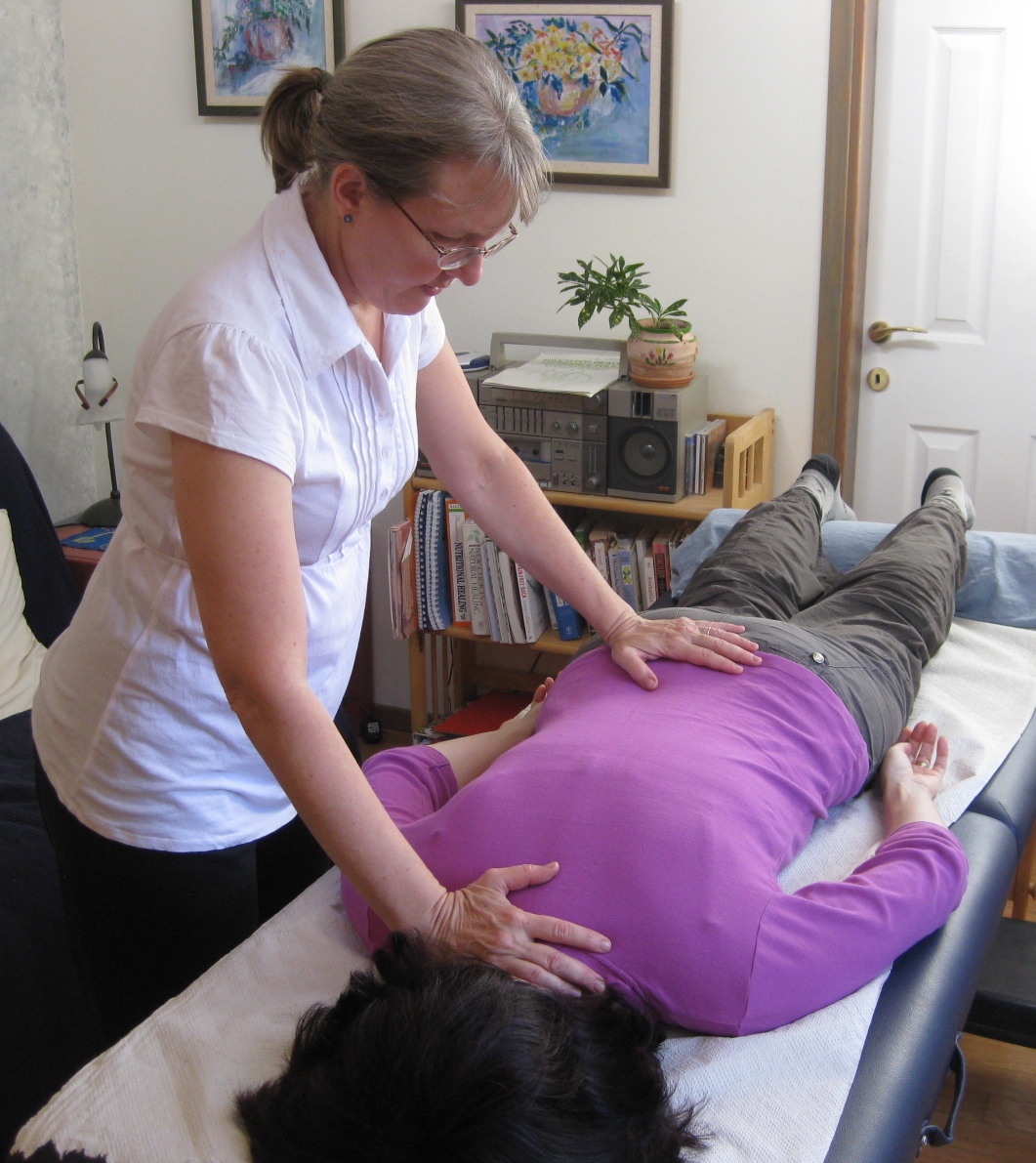
I have worked with many people and know that my healing methods are not appropriate for everyone. If a person comes to me whom I can tell will not benefit from Energy Guidance Complete, I am honest and let him or her know. Sometimes it takes more than one session for me to know. I have referred people to other healing methods to do in conjunction with Energy Guidance Complete or in place of. Each person has different needs and can benefit from different approaches.

When you find a healing caregiver who helps you understand your body and yourself better, nurture this connection.
A healing caregiver is wonderful to have on your team!

Shout

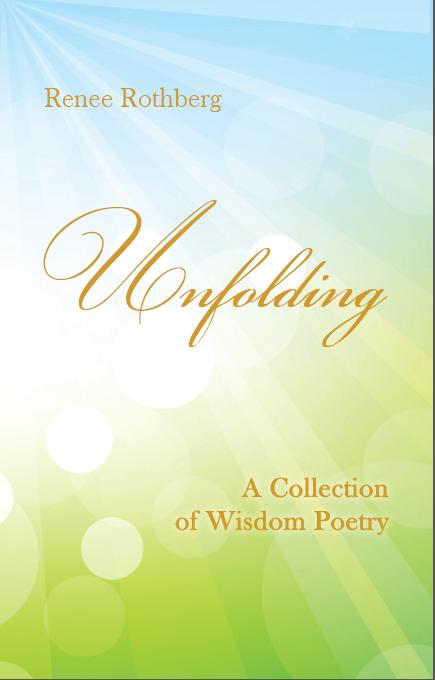
When I received this poem two years ago, I saw it as a universal poem with meaning for everyone, and partially for me. I received the words, agreed with their message, published the book, and forgot the poem. Recently I’ve been rereading Unfolding—A Collection of Wisdom Poetry, and this poem jumps out at me as the one that has the most relevance to me at this time.

poem-letting-go

I’m about to publish a book about aging well, and one of the most important goals is to be focused on the aspects of living that bring satisfaction and growth. But to do this requires letting go of the things that hold hostage.

I am held hostage by my expectations of others and of myself, by old memories that criticize, by wasted time spent on unimportant pursuits, by holding myself back from flying with Energy Guidance, and by procrastinating. The simple message “Do it!” tells me to not only let go, but to move ahead and do the things that will bring me growth and satisfaction.

I’m going to photocopy this poem and paste it on my wall 🙂

Unfolding—A Collection of Wisdom Poetry can be purchased through amazon.com stores: http://amzn.com/1508828229

Unfolding book cover

Muddling Through

mud

Mud makes us happy when we are playful children. Mud makes us miserable when we are busy adults with little time for extra cleaning. The cleaning of the mud is an extra chore that few choose to take on willingly.

And yet, many go through life acquiring mud that they refuse to let go. This type of mud is not physical, but is just as dirtying and requiring of cleansing.

  • This mud is habits that hold us down.
  • This mud is relationships that mire us in muck.
  • This mud is internal criticism that dirties our thoughts.
  • This mud is chosen employment that creates unpleasant versions of ourselves.

Muddling through so that we can get through our days is not living; it is living trapped. We can get trapped into work that makes us feel empty or worthless. We can get trapped into relationships that cause us to feel depleted or used. We can get trapped into dramas that are not our own making, yet influence and dirty our living. Destructive habits and unfulfilled dreams trap us more.

Muddling through is a chosen way of life, and it’s surprising how many people choose to just muddle through. Even when they know how to pull themselves out, they choose not to. It’s more comfortable to stay in the same place and complain or give up.

Muddling through is not how people are meant to live. Muddling through should be reserved for times when unexpected events create the need to get through something or require efforts beyond our abilities. Muddling through is a positive thing when life demands beyond-our-control efforts. Muddling through is a negative thing when it becomes the regular mode of functioning.

The way we see mud, and the way we let it sink us or entertain us, focuses the way we get through life. With our determination to be ourselves comes our determination to not just muddle through. Muddling through is for specific times. Muddling through is best left for them and not for most of our days.

Here’s to living and not to just muddling through!


be involved

Each person is capable of affecting the community in which he or she lives; each community is a reflection of accumulated actions; and the sum of the efforts and actions influence the future inhabitants of the community.  All actions made in a positive manner uplift the community…” These words from the “Introduction” in “Pond a Connected Existence” remind us of the importance of communal participation.

Communal involvement is olog-ful. An olog is a new descriptive method for describing relationships mathematically. Communal involvement is relationship possibility realized. Each community effort contains objectives and means to the objectives that beckon people in varying numbers and with varying purposes. The development of and continued need for communal efforts require awareness by community members who are available and willing to act. The connection of one communal effort with another communal effort is achieved through preservation of each individual effort while recognizing the requirements of other communal efforts.

In other words, a community has various needs that are ever-changing and that differ in importance. The elderly need to be cared for, as do the teenagers. The animals require attention and so does the regional government. Trees and plants give shade and beauty, and they require upkeep and protection. The poor must be seen and the recycling must be gathered. Each person in a community can participate in an endless number of community efforts, and the more each person does, the more the community radiates warmth and support.

Affect is the goal for each community member. Caring for self and caring for others. Acknowledging needs and addressing them. Connecting with people, relating to the environment, tending to animals. Developing oneself through the attention to community.

Relationships develop when communal involvement occurs. These relationships sustain and uplift when times are difficult or saddening. When a community has mixing of peoples of all ages and ideas, the community is enriched and the people are support for one another. Searching out ways to better the community sustains its members and leads to more satisfying living.

In societies that exist within large metropolitan areas, the importance of communal involvement grows. Rather than be anonymous in these large settings, people must find connections that nurture the feeling of community and shared experiences.

This blog post is from the book, Exploring Energy Guidance Complete, My Journey. The book is available on amazon.com:  https://amzn.com/1508539715cover for Exploring EGC

Pain Emotional

Post 126-body massage

Knee pain. I’ve had knee pain off and on through the years. I ruled out physical causes several years ago when physical therapies didn’t relieve the pain. At one point, I examined a conflict with a loved one and when we worked it out, the pain went away.

Lately, the pain came back. Actually it comes and goes. Once again, physical therapies don’t relieve the pain.

I finally turned to Spirit to determine the cause. (Why did I wait so long?) And I learned that once again, emotional turmoil has come into play. The emotion–disappointment–has entangled itself around my kneecap. A person close to me disappointed me, and the disappointment hurts me physically and emotionally. Turns out that the pain in my knee reflects several disappointments from my adult life.

To relieve the pain, I must care for the disappointment with kindness. To do that, I will not try to relive the disappointments that happened; rather, I will create a way for the disappointments to dissolve. (I’m not explaining the Energy Guidance Complete way this will happen, because it differs from person to person.) When the disappointment has dissolved, the pain will end.

My experience reflects the experiences of many people. Emotional turmoil sometimes lodges in the body and manifests as physical pain. This type of pain is hard to treat, because emotional wounds defy physical treatments.

Back pain, knee pain, stomachaches, skin eruptions, and abdominal ailments are types of physical problems that often have emotional causes. When these problems occur, the best healing approaches are holistic therapies. When physical and emotional healing of physical problems occur, the healing is more often successful.

The body heals when causes are understood and acknowledged. As with me and my knee, emotions are responsible for the body’s responses. Pain and joy affect the way we feel, and the way we feel creates the pain or joy.

The more we focus on emotions that are positive, the better we feel. The more we allow negative emotions to fester, the more chance of physical pain. Even when difficult things happen in life, positive rather than negative helps prevent lasting harm.

The power of emotional healing is incredible. The first step is to understand its existence!

Fruit and veggies

  • A dinner at Restaurant A delivers a cooked meat portion, rice, and a fried vegetable portion. The parsley sprig is decorative.
  • A dinner at Restaurant B delivers a pizza with meat and canned mushrooms.
  • A breakfast at Restaurant C offers eggs with potatoes or eggs with meat. Bread on the side.
  • An on-the-run food chain provides the meat in a bun with a piece of tomato and lettuce. The tomato and lettuce were cut much earlier.
  • A bakery that serves meals creates dishes that tantalize the eyes and nose, but challenge the small intestine. Only the decorative fresh peach slice lessens the challenge.

Today’s dining specializes in challenges to the small intestine, pancreas, and brain (and other organs and systems in the body). The missing fresh fruits and vegetables harm the body’s ability to heal. Healing requires the qualities that fresh fruits and vegetables possess.

A vitamin and mineral tablet can’t replace the capabilities of the fresh fruit and vegetables. A meal-in-a-bar can’t replicate fruit and vegetable power. Fruit drink isn’t related to fruit in its peel. Ketchup is not tomato at its best.

When fresh finishes last, health becomes compromised. When fresh finishes last, emotions erupt. When fresh finishes last, future health is less secure.

The food pyramids that show fruit and vegetables at the bottom are correct. Fruit and vegetables are the fuel providers that our bodies need to function effectively. A balanced diet provides vegetables in salads, main dishes, and soups and fruit as snacks, desserts, and appetizers.

girl-stomach-pain-clipart-cliparthut-free-clipart-KuL2pW-clipart

Healing is tricky. It is not available to those who use illness to attain a goal. Many use illness to keep from participating in life. Look at the people you know who are ill and consider the last sentence. It does not apply to all, but to many.

When we are ill, we should take the necessary precautions and mending steps. Mending steps include sleep, hydration, nutrient intake, and positive focus. Staying away from others when contagious. Staying away from temptations. Staying away from activity. Staying away from over-excitement, over-exertion and over-indulgence (not meaning overindulgence of food, rather overindulgence of self-pity or self-over-focus [I’m-too-unwell-to-deal-with-life-and-think-of-others]).

Healing can be quick or languishing depending on our age, attitude, previous physical condition, and determination, and of course, on the healing issue. Feeling determined to be well is very important. Any trace of benefit from the illness or condition can slow the healing process. Even a well meant show of sympathy can slow the healing. Best to heal with as little sympathy as possible. Attitude influences on all levels-physical, emotional, intellectual, and spiritual. A happy attitude greatly enhances healing.

Healing and wellness are possible when we truly want them!


celebration

I have been asked to share Energy Guidance Complete’s view about leadership and leaders. I will be sharing quotes from two of the EGC books. These quotes relate to people living in open societies.

From The Gift of Intuitive, Dedicated Comfort:

“In order to develop and maintain a healthy society, individual members must strive for balance. They must hold themselves accountable and must hold their society accountable. They must not expect more from their leaders than they do from themselves. THEY MUST NOT EXPECT MORE FROM THEIR LEADERS THAN THEY DO FROM THEMSELVES. Leaders are simply a reflection of the society they lead, no better, no worse. However, leaders must strive to balance themselves, especially when they are tempted by the benefits that come from being leaders.”

From Pond a Connected Existence:

“Obligation to one’s community is much larger than many people think. Taking part in elections, taking part in cleaning up, taking part in communal rituals—these are the basic obligations on all. Beyond those acts, one should participate in bettering the community.
The more people balance their lives with interconnectedness, the more significant and meaningful their lives become. A caveat—connecting to non-sustaining activities does not bring the same results. The connections that result from a life lived intertwined and obligated raise, heighten, and compensate. Why is that? Because the more people do for others, receive from others, give and take back and forth, the closer they are living to their balanced selves. Doing for others prevents people from becoming too self focused. Receiving from others prevents people from sinking too low if they are in a position of struggle or illness or burdensomeness. Interconnectedness helps us remain in a state of preparedness—prepared to give and prepared to receive. Sometimes more of this one; sometimes more of that one…”

Screen bean-finish line

“… The more positive one’s attitude, the more that can be accomplished. The more one is connected to others, the more one can ask for help. The more organized one’s living conditions, the less time wasted. The more undistracted and unselfish, the greater that can be done.”

Leaders are people who “…pursue public roles when they are motivated by internal desire and strength, communal support, admired role models, peer pressure, or acquisition of power.” from The Gift of Intuitive, Dedicated Comfort. Leaders take on leadership roles for many reasons, and each leader is an individual with individual motivation and individual goals. Leaders should not be lumped into a group nor should they be raised above or lowered below other people.

Screen bean-power

The people who choose to dedicate their lives to public service are placing themselves in positions of power and ridicule, privilege and expectation of purer behavior. Societal members must remember that these leaders must not be worshipped nor should they be expected to live more simply than others in their society. Each leader must be evaluated on his or her own merits and must live according to societal rules and mores. And each member of society should see himself or herself as a leader who can contribute and influence and bring forth balance in the world.

These books can be purchased on amazon.com:

9Book1


red carpet

The antics of the well known are followed slavishly. People follow their twitters, swear by their lifestyle advice, and search out juicy tidbits about them.

The well-known celebrities and celebrity-idols tantalize with their talents and distance with their successes. The well-known have larger than life personas so that their doings seem more important than the doings of non-famous people. Their relationships and choices sparkle (or so it seems) and their thoughts fascinate (more than our own).

Why do we worship the famous?

  • Because we are overloaded (too many distractions and too many expectations).
  • Or because we are lacking fascinating goals of our own.
  • Or because we are afraid to develop our own talents.
  • Or because we are discouraged by the words of others who dashed our dreams.

Turning away from ourselves and directing our attention on well-known people releases our expectations of ourselves and cancels our interesting factor (we don’t have to be interesting). The fascinating people–the celebrities and celebrity-idols–receive our potential, and we live live through them.

How can we stop idolizing the celebrities?

Holding onto celebrity fixations is not necessary when fixation on ourselves and on the real people in our lives happens. Here are three ways to release celebrity idolization:

  1. Remove the overloading distractions. These include irrelevant gadgets, extra stuff in your house, and celebrity publications (online and print).
  2. Focus on personal goals and relationships.
  3. If unrealized dreams can be realized, let yourself release the words or actions that held you back. (This step might require assistance from therapeutic counsel.)

Worshipping the famous is focus overwhelmed. Each person has focus for his or her own abilities and for influences that extend these abilities. Focusing on someone else’s abilities diminishes possibilities to extend one’s own abilities.

Celebrity and celebrity-idol fixation brings little that is positive for a balanced life. Letting that attention-thief go is best!

The Haters

HashtagHate

Some people look at others and their achievements with jealousy and superiority in their thoughts. These failure-wishers write disparaging comments on Facebook, Twitter, and other social media. Rather than focus on themselves and their own achievements, they choose to undercut the leaders, the risk takers, and the visionaries.

The haters feel they have a right to deride and they often do it with great enthusiasm. The result is to hurt the enthusiasm and drive of the achievers.

Spirit wants me to be very clear about the haters:

The haters dislike themselves and pass their self-loathing onto others. The haters do not have a “right” to spew hatred. They also do not have a “right” to be cruel.

Haters strive to hurt. They should strive to develop themselves instead.

Haters should not be supported.  They should be ignored and their words should be considered as worthless.

Abdominal Pain

girl-stomach-pain-clipart-cliparthut-free-clipart-KuL2pW-clipart

Abdominal pain says “Pay attention!”, but many of us ignore or mask the pain until the body stops communication or revolts. I worked with a woman who was having terrible stomach pain. Systematically removing foods to determine the foods that trigger the pains did not work, because sometimes a food triggered pain and sometimes it didn’t. Medications did not help, nor did invasive procedures.

Through Energy Guidance, I learned that she had been ignoring her body’s calls to stop whatever she was doing–or whatever else seemed more important–and go to the bathroom. She had been ignoring her body’s signals for forty years and her body finally rebelled.

The cure?
  1. To listen to her body! The moment it said “Stop what you’re doing and go to the bathroom.”, she did.
  2. To move in relaxing rhythm so that her body would relax and speak to her again. She began dancing every morning in a therapeutic and relaxing way.
  3. To criticize herself less. She had not realized that her thoughts were contributing to her physical problem. She deliberately forced herself to be kinder to herself, and her abdomen relaxed.
Abdominal pain develops from so many sources:
  • It can come from delaying elimination (like the woman I worked with).
  • It can come from overeating or eating foods that tax the body.
  • It can come from internal distress, such as self-criticism or self-doubt (like the woman I worked with).
  • It can come from reactions to medications or toxic substances.
  • It can come from motion that is overly non-human: airplanes, boats, amusement rides, elevators, etc.
  • It can come from withholding nourishment.
  • It can come from the digestive process that is disturbed when certain foods or beverages are consumed (like the woman I worked with).
  • It can come from external sources, such as germs: viruses, fungi, bacteria, and protozoa.
  • It can come from external sources, such as societal expectations.
  • It can come from external sources, such as criticism and pressure from others.

Abdominal pain whispers at first, because the body assumes the problem will be handled immediately. When the cause of the pain is minor, the whispers will escalate gradually and either retreat or escalate if ignored. When the cause of the pain is toxic, the body will shout for attention.

External criticism and pressure can cause chronic abdominal pain and other physical problems. The words of family members and caregivers are so powerful that meanness and impatience sometimes induce physical reactions in response. External criticism can lead to internal criticism can lead to worsening of abdominal pain.

Escalation of abdominal pain requires understanding and acceptance. The cause(s) must be determined and the required changes must be made. Abdominal pain should not be ignored or masked.

The tendency is to assuage pain at the moment it appears, without concern for the cause. This tendency treats the symptoms and can be effective when the cause is minor. When the cause is beyond minor, treating the symptoms can deepen the pain or disrupt communications with the body. The more that symptoms are treated without addressing the causes, the more harm is caused to the body.

Forty years of ignoring and masking symptoms led to misery for the woman who worked with me. When she understood the causes and accepted her ability to undo her past mistakes, she was able to communicate with her body and be its ally. Each time she let her body guide her, she reduced the suffering of her abdomen and it healed.

Opening to the complexity of the body is the first step towards healing abdominal pain. Once it is healed, prevention is the next step.

Note: This blog post is spiritually advised.

Cover-Signals that Inspire

The appendix is one of the organs that oversees complex healing mechanisms in the body. When it is inactivated because of removal, other organs and healing entities compensate, depending on the person’s overall health.

Removal of the appendix is a regular procedure that is performed to prevent rupture of the appendix. Preventative medicine can generally prevent the need for its removal. From the book Signals that Inspire and Intertwine: …once the appendix has become inflamed or abscessed, removal is a solution.”

The appendix controls upper level healing mechanisms. Without the appendix, the body works less smoothly when these extra healing forces are needed.

The appendix is the organ that bridges between the spiritual and physical worlds. That connection is affected when the appendix is removed, but  the connection is continued as though a phantom appendix exists. When life is coming to an end, the appendix governs end-of-life preparations, and so other entities in the body must compensate when the appendix is not there.

Signals that Inspire and Intertwine presents spiritually received information that explains the roles of the appendix and “signals” in the body. This book is an introduction to the complex system that protects and heals our bodies. Besides the appendix, the pineal gland, spleen, and liver assist with extra healing mechanisms that kick in when the body’s regular defenses cannot handle the onslaught of too much distress.

This book is available for purchase through amazon.com stores: https://amzn.com/1523932058

woolly-mammoth-293x300

Poem-Extinct Inhabitants

dodo

Unfolding—A Collection of Wisdom Poetry can be purchased through amazon.com stores: http://amzn.com/1508828229

Unfolding book cover


Cover-Signals that Inspire

Healing can be simple like the natural release of a hangnail or elaborate like the closing down of body processes to conserve energy when food consumption is too low.

Signals that Inspire and Intertwine is an introduction to the complex system that protects and heals our bodies. This complex system is a fifth component of health that works seamlessly with the other components of health—the physical, emotional, intellectual and spiritual components. Extra support is needed when our bodies are unable to heal through the basic healing processes. The extra support is provided by signals that are governed by the appendix and pineal gland. These signals activate when backup is required to maintain balance or to overcome external and internal causes of stress or injury.

Awareness of signal existence opens the door to investigation of the healing power of the appendix and pineal gland. Awareness of signal existence contributes to individual determination to strengthen the body’s healing process. Awareness of signal existence can influence care of infants and patients.

Signals will continue to assist with maintaining balance whether or not we are aware of them. Knowing that these balance protectors exist is the first step towards appreciation and understanding. Signals that Inspire and Intertwine presents introductory information that is usable by healthcare professionals and people who are interested in health.

This book is available for purchase through amazon.com stores: https://amzn.com/1523932058