A Balanced Approach to Wellness!

Posts tagged ‘Balance’

Inventive body stuffers—processed foods

Post 102 Processed foods

Processed foods challenge body processes (not all processed foods are challenging to the body, but the ones that are good for the body are in the minority). The foods being discussed here are the ones that contain the ingredients that are known to be harmful, but people eat them anyway.

These foods should be limited to never. Really!

Food is not the only damaging thing to people; emotional damage can be more harmful than eating toaster pastries. Nonetheless, the better the food we put into our bodies, the more chance of physical and emotional balance.

Nature is the best entertainment


Post 95 nature-1

  • Is going to the mall satisfying for the soul? No, not even to people who love shopping (even if they think so).
  • Is playing on the computer or watching a viral video satisfying for the soul? No, not even if the viral video is about a wonderful person.
  • Is sitting at a restaurant satisfying for the soul? It can be, if you are sitting with people who are enriching, but the atmosphere at any restaurant is not enriching for the soul.

Connecting with nature is satisfying for the soul. It just is, because we were designed to be part of nature. Along the way, we lost the importance of our place in nature and we need to get it back. In general, our lives have become very cut off from nature, especially for those who live in large cities or spend too much time in cars or public transportation. There are people who work at staying connected, but they are not the majority.

Post 95-nature 3


How to reconnect with nature

  • Plan regular hikes and actually go on the hikes. The hikes don’t have to be long, but they should be in green spaces.
  • Visit parks and nature areas.
  • Visit humane zoos and petting zoos. Contact with animals is an important part of connecting with nature.
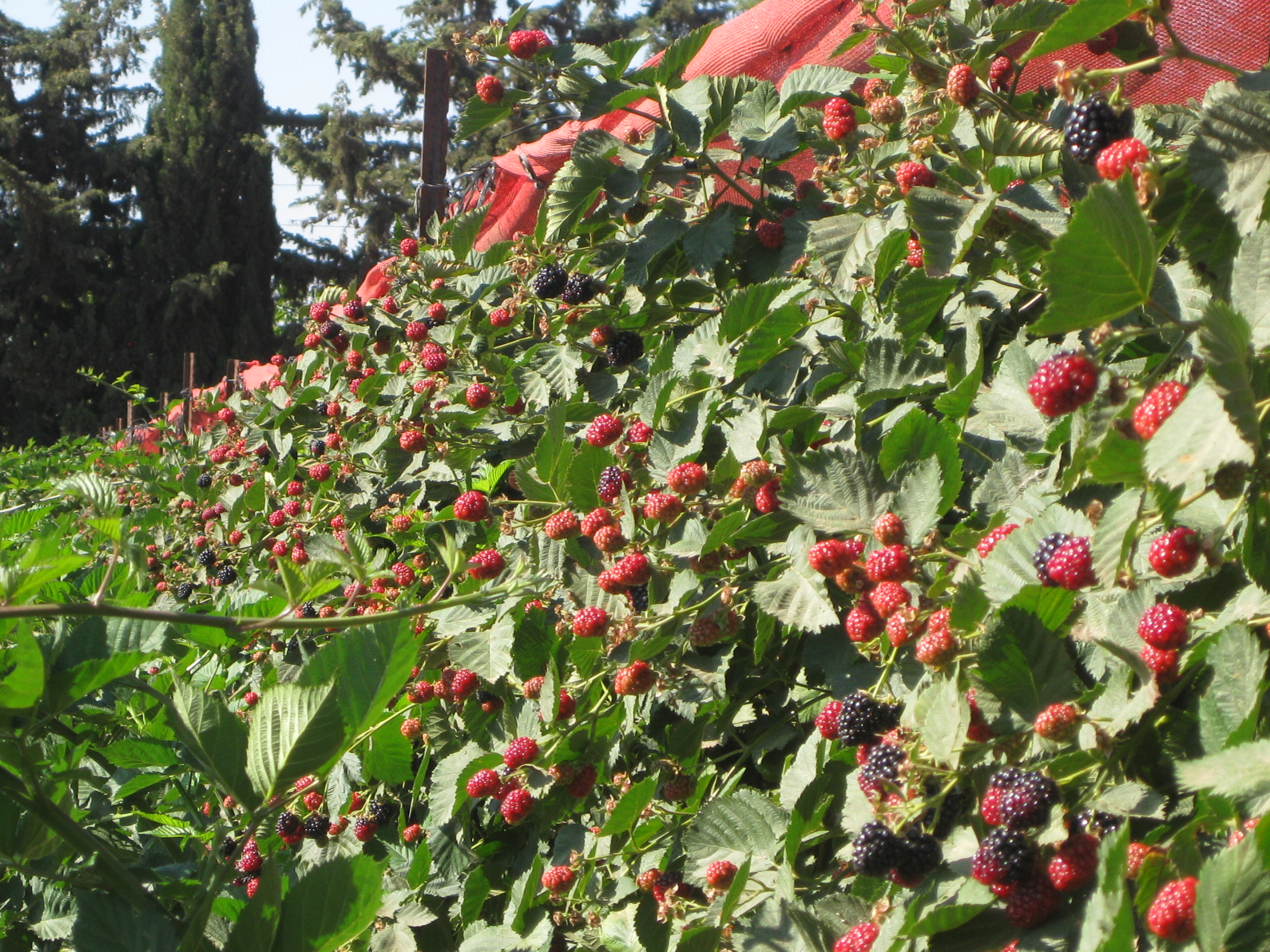
  • Shop at farmers’ markets and find farms that have fruit picking. And go pick fruit!
  • Add more plants and potted flowers inside your home.
  • Visit places with water: beaches, lakes, rivers, and springs.
  • Visit botanical gardens.

Try being more connected to nature and see how entertaining it can be. And at the same time, your soul with be nourished and you will become more balanced.

Post 95-nature 2

Nature can never not be nature

Post 94-nature

The rhythm of nature is a rhythm that people cannot understand. People can study nature—the animals, the vegetation, ourselves—but we cannot really fathom the rhythm. This rhythm has a beat that goes like this:

9. Sway to the up-down-up-sideway-sideways-sideways-down-up

8. Beat 72…8…28…15…39

7. Breathe in&out&in&out&in&out&in&out

The rhythm relies on winds and stillness to alter the sway. The rhythm relies on dew and rain to change the beat. The rhythm relies on light and gravitational pull to change the rhythm of the breath.

The rhythm is connected to the heartbeats of all living things that have hearts. The rhythm is connected to all living things that have wing beats. The rhythm is connected to all living things that glide. The rhythm is connected to all living things that effloresce (blossom).

The rhythm is so intertwined and so constantly going to the beats, wing beats, movements, openings and closings that an interruption interrupts much. That is why when people make a change in nature, they don’t realize what they are doing to the …

Overcoming the attention deficit mindset

Post 86--Overcomng A-DPeople who have been categorized as ADD or ADHD or sort of ADD or ADHD or on the verge of ADD or ADHD or growing into ADD or ADHD are in need of balancing:

  • Balancing of physical needs: proper food and water intake, proper sleep, sufficient movement each day, and relaxation of the eyes
  • Balancing of emotional needs
  • Balancing of intellectual needs
  • Balancing of caregivers’ needs

Handling attention deficit designations can cause much work on the part of caregivers (parents and guardians). Caregivers must be aware that their actions towards the A-D designee influence the A-D exhibition. The more balanced the A-D designee, the less symptoms exhibited.

Ways to balance A-D-afflicted people

  • Drink a glass of water upon rising each morning.
  • Eat a proper breakfast before school or work (most breakfast cereals, chocolate milk, and quick snacky foods do not count as proper breakfast foods).
  • Plan movement into every day: walking, dancing, biking, swimming, running, jumping, skipping, etc.
  • Take frequent breaks from TV watching, from lengthy computer and mobile device work and play, and from prolonged viewing of oneself in mirrors.
  • Take part in activities that better other people, the environment, and animals.
  • Take part in housecleaning, home plant care, outdoor home care, etc. Each person should share in these tasks.
  • Observe nature every day, even if there is only a single plant near one’s home. The more nature is observed, the more developed a person’s observation and focus skills.
  • Challenge oneself through reading, puzzles, riddles, learning to play a musical instrument, learning to enjoy something that originally appeared to be boring.

Overcoming the stigma of being A-D afflicted

People who have been classified or sort-of classified as ADD or ADHD should not lower their expectations of themselves. They should see themselves as normal people who need to attend to their body’s conversation. If the body is signaling that it has been sitting too long, it probably has—time to move. They should aim for living in balance and in harmony with their environment.

Changes for all

Everyone who lives in the hustle-bustle of today’s society needs to add more moments of nature into their lives. More deep breathing, more sleep. Better awareness of food intake (less processed stuff) and of physical activity. More focus on building connections with other people and with the society.

Please share this information with people who question the status quo of dealing with attention deficit issues.

Not liking someone

Post 74-not liking

People are generally nice to people they know. Not always, but generally so. The more a person circulates in the world, the less he or she can know the people who cross his or her path, and the less these other people can be liked. Politeness and mannered interactions are not being discussed here. The subject is liking or not liking.

People are nice or not nice to others, depending on upbringing and temperament. When a person is unkind to someone they don’t know, the person usually feels little or no remorse because the other person has little significance. When a person is unkind to a friend or family member, the feelings will be different unless the two people are already at odds. Unkind behavior has an effect when either person cares for the other and is hurt by the unexpected negative behavior. Unkind behavior wounds and scars relationships and people.

Being friendly, but feeling disdain inside, reaches the other person in an intangible sort of way. Same with pretending to care or pretending to feel warmth when warmth does not exist inside. Expecting ourselves to be nice to everyone who crosses our paths is difficult, but mostly when we let ourselves feel unkindness inside towards the others and towards our own selves.

The more we feel nice feelings towards ourselves, the more we can like others. The less satisfied we are with ourselves, the more people we dislike. Even when we travel the world and meet many people, we can experience empathy, interest, and pleasure with these encounters if we are empathetic, interested in, and pleased with ourselves.

Not liking ourselves leads to not liking others

The work begins within!

Practical advice

Post 72-practical adviceOne of my blog followers thanked me for the practical advice I provided in yesterday’s post (about when to drink water). Her comment led me to look through my blog and see how much practical advice I provide. Not as much as I had thought! I have mainly provided wisdom about many topics that we all deal with without presenting a how-to. Would y’all like more practical advice? Let me know.

Here is a list of practical advice that has been presented through my blog since I began writing it in September:

1. If you have experienced a minor trauma, do the following steps:

  • Notice the physical state of your body.
  • Breathe normally (breaths don’t have to be deep, but should not be quick).
  • Think about how things turned out more-or-less okay.
  • Do movements, like a little victory dance, which will release the bodily tension.

from “Overcoming small traumas”

2.  To connect to your environment:

  • Consider the available channels for community service in your area and select one that is doable for you. Then examine your time wasters and select one or two that can be replaced by the community service. Then make it happen!

from “Connections are the means–connection to one’s environment, post 3 of 7”

3.  To connect to creatures:

  • Caring for pets, supporting humane zoos, supporting centers for animal care, abstaining from using animals for decorative objects, and supporting animal habitats in the wild are important ways for humans to fulfill their obligations to other creatures.

from “Connections are the means–connection to other creatures, post 5 of 7”

4.  When feeling hesitant to take an action or make a decision notice three things:

  • Does the action or decision make you feel fearful, worried, or unqualified to act/decide?
  • Does the action or decision cause your intuition to signal a strong response–positive or negative?
  • Does the action or decision require you to be more active than you normally would? If so, are you hesitating out of laziness or inertia?
  • Once these questions are addressed, a decision should be easier to make and an action should be easier to take.

from “Hesitation”

5.  To maintain the “glow” during Christmas time:

  • Be sure to schedule time to experience the beauty and rhythm of this very special time.

from “Christmas doings”

6.  To deal with clutter:

  • …Declutter one significant area, then observe this area and be proud and kind to yourself. Declutter a second significant area, then observe this area and be proud and kind to yourself. Continue in this fashion until you have decluttered the areas that deserve to be uplifting.

from “Clutter”

7.  To handle too-controlling people:

  • You can release them from your life if they are not family members.
  • If they are family members who do not really need your company, you can limit your time with them.
  • You can breathe in this rhythm when he or she starts to tantrum: breathe in to a count of 5, breathe out to a count of 4—until the person requires a response. The breathing and counting should help you lessen the tantrum’s effect on your body and will help you tune out the unpleasant words…

from “I want my way”

8.  To add more touch to your life:

  • Touching a loved one is much needed balancing. If a loved one is unavailable, then touching an animal. If an animal is unavailable, then touching a part of nature—a flower, a blade of grass, a stone, etc.

from “Sense of touch”

9.  When feeling stuck:

  • Breathe to this count: breathe in to a count of 6, hold for a count of 4, breathe out to a count of 5. Breathe this way until relaxation starts to set in.
  • …look at [the sky] and appreciates its colors and its movement.
  • …think about little achievements and the larger ones, and then do the relaxation breathing again.

from “Feelings of non-movement”

10.  When feeling frustrated, the best antidote is making something:

  • Making a comforting food that is also nutritious
  • Making another person happy
  • Making a trip to a beautiful landscape
  • Making a phone call to a person who lifts your spirits

from “What does frustration feel like”

What does frustration feel like?

Frustration
in my
Amazing
Life is
Leading
Purpose wrong

Post 70-Frustration

Purpose wrong
Leading
Life is
Amazing
in my
Frustration

Frustration—in my amazing life is leading, purpose wrong.
Purpose wrong leading? Life is amazing in my…frustration.

Frustration, in my amazing life the frustration I feel is leading me towards a purpose that is wrong. This purpose is wrong because the way it is leading is to a life that is not amazing, and in my frustration, I am agitated.

The message

When feeling frustrated, remembering that life is amazing is not enough. The best antidote to frustration is making something:

  • Making a comforting food that is also nutritious
  • Making another person happy
  • Making a trip to a beautiful landscape
  • Making a phone call to a person who lifts your spirits

Making something and not not just fretting is the way to elevating the spirit when the spirit is unclear.

Positive and negative positives-negatives

Post 7-bracelet

22 stones. One for each combination of positive-negative voices in our heads. Sort of like the good angel-bad angel depiction of our consciences. Sort of like how we feel when we are deciding between a sustaining activity that is a time investment and a non-sustaining activity that is a time distraction.

The list below is a partial list of positives-negatives.  Please feel free to add more.

1 good-bad
2 elevate-stay/descend
3 try-hold back
4 consider-discount
5 open-territorial
6 caring-disdain
7 charitable-judgmental
8 respect-disregard
9 prepare-neglect/ignore
10 retain-spread
11 me-others
12 others-me
13 accept-reject
14 act-accept
15 speak up-hold back
16 contribute-withhold
17 develop-abandon
18 patience-impatience
19 defend-withdraw
20 aid-hurt
21 support-sabotage
22 humility-vanity

Compassion

Blog 66-CompassionSome people say that people are not compassionate by nature. That is not true. People are compassionate; compassion is part of the design. Women and men, in varying degrees depending on their hormonal make-up, are compassionate.

Compassion can be displayed in the ways in which people interact with one another, with animals, with inanimate objects (such as knick knacks and clothing), and with gems. In general, compassion should be shown towards living and breathing creatures; the compassion towards the nonliving items is compassion misplaced.

When a person confuses the recipient of compassion—the nonliving item in place of the living creature—something has occurred in that person’s life that upset the natural order for compassion. People are meant to feel compassion for other people, and not feeling compassion is the incorrect response. No! Compassion is kindness presented internally which stimulates warm and caring feelings for the people, animals, and nature in one’s surroundings.

To truly feel compassion for another person, one simply has to live the design.

Thoughts about people

Hearts

When we think about others, our thinking is colored by what we think about them. In other words, how we feel about them and how we feel they affect us, affects how we assess them. Also, our thinking about ourselves affects our thinking about others.

If someone has been kind to us, our opinion of this person could be kind in turn, or not, depending on if we think we deserved the kindness. If our opinion is that we didn’t deserve the kindness (because we know that we were neglectful, distracted, or undeserving), then we may consider this person to be foolish or lacking in deservedness as well. Our opinion will be negative rather than positive, when positive would have been the balanced thinking. The more we are balanced in our thinking about ourselves, the more we can evaluate others clearly and with objectivity.

How we see ourselves is how we see others. We must aim to be self-kind and self-forgiving and self-loving.

More to come on this topic…

Finding one’s way

Post 60-finding ones way

Above you see the average life path. Below you see what the desired route should be:

Post 60-finding ones way2

Full of trials and successes and attempts and experiences.

And if the life is short, the route can be:

Post 60-finding ones way3

Short, but meaningful.

And what about a long life that is purposeful, balanced, and connected? This life’s picture would be:

Post 60-finding ones way4

“…Moment after moment after moment. The moments accumulate and produce the picture that is one’s life. Enriching moments are vibrantly colored; valueless moments are dull and unexceptional.

Fullness and not. Life can be full—or not. The picture that is one’s life has dimensions: smooth in places that are enriched, jagged in places that are unbecoming, two-dimensional in places where a choice was not made. The form of the picture can be SO large, one simply has to choose to be giving and engaged and willing to participate in a well-lived life. Life that is experienced through true living lights the way for others.”

…from the chapter “Moment” in Pond a Connected Existence.

Sense of touch

Post 57-sense of touch

  • Prickly
  • Intensity
  • Weight
  • Solidity
  • Temperature
  • Emotion
  • Wholesomeness (as related to food that is not processed)
  • Weightlessness
  • Vibrations
  • Movement

In my book, Pond a Connected Existence, there is a list of the top ten things that the average human requires. The tenth requirement is stimulation of the senses. Textures provide information about safety and enjoyment. About creativity and destruction. About power and sustenance. About self-awareness and well-being. Safety. Enjoyment. Creativity. Destruction. Power. Sustenance. Self-awareness. Well-being. S . E. C. D. P. S. S. W. Soul ever circling during purposeful sincere spiritual wonder.

Touch is very much a part of living. Touching a loved one is much needed balancing. If a loved one is unavailable, then touching an animal. If an animal is unavailable, then touching a part of nature—a flower, a blade of grass, a stone, etc. Coming into contact with something real, something containing the radiance of spiritual presence.

Touch can bring great joy when it is given kindly. Kindness is necessary for touch to be received wantingly. This requirement applies to women and men, differently but with the same importance.

Touch. With warmth, generosity, feeling, purpose, and kindness. Soulfully.

Striving revisted, twice

Again, I am compelled to repost the Striving post. The reason will become apparent at the end.

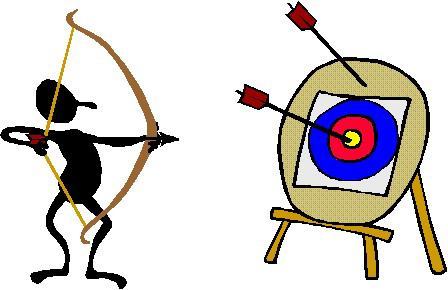
Post 26 archer

  • Striving to improve
  • Striving to move
  • Striving to win
  • Striving to begin

So many things to strive for. People tend to strive for things that are either just out of their reach or for things that come too easily.

When a goal is reached with little effort, it may have been a goal that should have been expanded. Striving is important. It keeps people interested, working, and committed. Striving usually involves physical, emotional and intellectual efforts, and sometimes spiritual effort as well. Too easy can dull the capacity to reason and opine.

Striving for just beyond is generally the better effort. Working towards, moving, struggling. These actions build character and personality. And sometimes strength and resilience.

When a goal is reached, it should be recognized and appreciated. It should not be ignored nor made light of. On the other hand, it should not become one’s existence.

——————————————

This season is the time for making resolutions and promises to oneself and to others. Striving to improve is a valuable goal; however, improving superficial things such as one’s figure is not a valuable goal.  Learning to eat in order to properly nourish one’s body is a valuable goal. Striving to move can be valuable to almost all in modern society. People are meant to move. It is one of the body’s most important needs (after water, sleep, food, and protection from the elements). Striving to win refers to being in a mind frame of success. Success in being a kind person, success in relationships, success with one’s creative endeavors, success at controlling the pull of distracting time wasters. Striving to begin is the big one. Easy to make resolutions, hard to really begin. The first step is actually not hard when the goals are worthwhile.

Striving to be a better person is worth the effort. Making the resolutions and keeping them is purposeful living.

Wishing you success in your efforts to strive!

Cycling around the circle

Heart

Cycle. Cycling. Cycling. Cycling. Cycle. Cycling. Cycling. Cycling.

Sounds like the start of a tongue-twister, but it is actually the rhythm of the seasons. One season moving into another season—winter to winspring to spring to sprinmer to summer and so on. Each season cycling into the next phase of the rhythm of the seasons.

Cycle. Cycle. Cycle. Cycle. Cycle.

The rhythm of the flowers. Grow outwardly grow inwardly grow downwardly grow in situ grow upwardly. Each flower cycling through the cycle of the flower rhythm.

Cycle. Cycle. Cycling. Cycling. Cycle. Cycling. Cycle. Cycling.

The rhythm of the forest. Trees growing trees dying trees after a fire. Animals living and dying. Moss growing and spreading. The many rhythmed space for life.

Where do we fit into the rhythms of the world? People fit in like pieces in a jigsaw puzzle. When people work with the rhythmed spaces, the pieces fit in more or less accurately. When people deny the rhythmed spaces, the pieces are in the wrong places. People are meant to work with, not work against. Live in harmony, not in dissonance. Cycling with the cycles to the rhythms of the world.

The grandest energy with ever-changing possibilities

Vitality

Vitality! This word should always be written in color and in bold—and with an exclamation point! So that people will read it with energy and with desire. Desire to feel the strength of the word deep within the core of one’s being.

V-i-t-a-l-i-t-y! Feel its pull and its launch. Living life in a rich sense of being. Living life with gusto and with verve. Living life with emotion—feeling the fullness of each moment as it passes into the past.

Vitality! Not agreeing to smallness or boredom or apathy. Embracing the largeness of life, its excitement and its joy (or sorrow). Embracing and feeling the blood flowing in the body and the breath in the lungs.

Vitality! Allowing ourselves to release into the amazement of ourselves!

“Your health is what you make of it. Everything you do and think either adds to the vitality, energy and spirit you possess or takes away from it.”
― Ann WigmoreThe Hippocrates Diet and Health Program

I want my way!

Post 52-my wayI want things my way. My way is best. My way or the highway. My way, not any other way.

Do you know people like that? Controlling types who must have things just the way they like them or a tantrum starts. I’m not talking about young children who naturally tantrum because they are learning the rules of socialization. I’m talking about adults who should have learned to compromise. People who tantrum (yes, it’s a verb here) when they cannot have things the way they want are in need of three things: a turn of focus towards others in serious need, physical expressions of caring (hugs, kisses, and smiles), and training in the art of listening.

You might say that this is easy for me to say, but how do you get the controlpeople  (yes, it’s one word) to do these things?

  1. You can forward this article to them (but they might start tantrumming).
  2. You can release them from your life if they are not family members.
  3. If they are family members who do not really need your company, you can limit your time with them.
  4. You can breathe in this rhythm when he or she starts to tantrum: breathe in to a count of 5, breathe out to a count of 4—until the person requires a response. The breathing and counting should help you lessen the tantrum’s effect on your body and will help you tune out the unpleasant words. When you respond, consider your own needs and say what they are. If the person start’s to tantrum again, try to sing a favorite song in your head until a response is required. Again, say what your needs are; however, before you do, think about how this person is in need of physical expressions of caring and try to feel compassion. Try to respond in a way that is less harmful to yourself; in other words, if the tantrum hurts you, say things that will not induce another tantrum, but without completely giving in. Not easy, but effective.

Controlpeople cannot be controlled, but their effects can be limited when we know our options.

Clutter in my head

Clutter-in the head

The last post was about clutter in one’s abode. Today, the clutter is inside one’s head. Cluttered thoughts about weight or appearance or something negative that someone said or something negative that I said or something I should have done better or something someone else should have done differently or …

The clutter in one’s head is more difficult to handle than the clutter in one’s abode. Years of societal criticism (including from one’s parents and friends) clutter the mind and take over space that should be used for creative thought and supportive thinking.

To unclutter the mind, the first step is to take a step—physically! Stand up, say “I am going to clean the clutter in my head”, and then take a step forward. Now, take another step forward, say “I am the person I am because of others, but also because of myself”, and then shake your whole body—head to feet—shake up everything. Next, take five deep breaths and then say “I can release the junk that is old and unhelpful.”  Finally, think about a tree that grows near where you live and resolve that every time you pass this tree, you will throw off some unnecessary thought that belittles you. When you get to the tree, take a deep breath, let the thought move out from the top of your head to one of the higher branches, and then move on.

Cluttered thinking can be tidied. Each time you release a cluttered thought, allow yourself to consider a positive aspect of yourself. Let this positive aspect take your concentration and really focus on it. Be sure to smile while you do this.

Balance comes from balanced thinking and balanced living. The more one’s thoughts are supportive, the more one’s life can be balanced.

Book #2—on its way!

Post 49-book 2

I have finished proofing the text of book #2, and I’m so excited that I’m writing a blog about this book. Its title is Pond a Connected Existence– Insights into Health and Life. Pond? As in ponder? No, as in “collect into a pond or large puddle”. This is the title I received. If anyone reading my blog has insight into this title, please share.

The topics discussed in this book include:

  • Is there such a thing as luck? Nope.
  • Is there such a thing as ADHD? Hmmm.
  • Are we obligated to pay our taxes? Yep, and to clean up trash in our community.
  • Can chaos in a marriage go away? Yes!

The book contains 13 wisdom essays that join The Gift of Intuitive, Dedicated Comfort in presenting wisdom from beyond us.

I’ll sign off with a quote from Pond a Connected Existence:

“Knowing what to do to keep healthy is basic required knowledge. Knowing what to eat or how much to drink to stay hydrated are the most obvious keys to good health. Understanding the need and frequency of sleep is required as well. Health is not the villain to be battled or feared; health is the means to meaningful living and ultimate satisfaction with one’s life. Health—physical, emotional, intellectual, and spiritual.”

Conflict among unacquainted dwellers

Post 47-conflict

conflict, n. competitive action of incompatible people

among, prep. in.

unacquainted , adj. unfamiliar.

dwellers, n. inhabitants.

Conflict among unacquainted dwellers is the source of most discord in the world. The key word is unacquainted because when an acquaintance is made there is usually less conflict. Especially when the dwellers live in close surroundings. Neighbors not knowing their neighbors can lead to a sense of separateness and uncaring. Cousins who are not in contact with one another because of familial disagreements have a diminished sense of belonging. Siblings who lose connection because of distance or disinterest have a lessened sense of completion. City A residents have little care for City B residents. and so it goes…

conflict, n. competitive action between characters in a work of fiction that drives the action of the plot.

among, prep. by the joint action of.

unacquainted , adj. not knowledgeable.

dwellers, n. those who exist in a given setting.

Conflict among unacquainted dwellers. In a novel, conflict brings interest and  momentum and plot. The characters are dwellers in a realm that is unknown to them except as the author sees fit to join them. The characters do not really choose their actions, the author does. The characters do not really inhabit a location; they simply float in the chosen locale.

The key difference between living people and created characters is the ability to choose actions, reactions, and position (not a location, but a point of view). Choosing to stay unfamiliar with others, choosing to distance from because it’s too hard to make an effort, choosing not to contact or assist or be truthful with. The choice is the main component in conflict—choosing to see the other as unworthy or unbearable or unsatisfactory. Choice is the wonderful thing about being human and our failing.  Because choosing to be kind, caring, and supportive should be the right choices all the time.

Among dwellers who have no unacquainted fellow inhabitants, there is little conflict. Obviously no single person can know every other person. The goal is to approach each person as a potential self. People are so different and yet so similar. Very hard to see this connectedness because of societal differences, but it is there nonetheless. The choice is to be open and not discount. Each person has a soul that should be cherished. Each person has a need for survival and nurturing. All the same, not so different.

Striving Revisited

For some reason, I am compelled to repost the Striving post. Someone out there has missed it on my blog and needs to read it. So if you think it might be you, read carefully.

Post 26 archer

  • Striving to improve
  • Striving to move
  • Striving to win
  • Striving to begin

So many things to strive for. People tend to strive for things that are either just out of their reach or for things that come too easily.

When a goal is reached with little effort, it may have been a goal that should have been expanded. Striving is important. It keeps people interested, working, and committed. Striving usually involves physical, emotional and intellectual efforts, and sometimes spiritual effort as well. Too easy can dull the capacity to reason and opine.

Striving for just beyond is generally the better effort. Working towards, moving, struggling. These actions build character and personality. And sometimes strength and resilience.

When a goal is reached, it should be recognized and appreciated. It should not be ignored nor made light of. On the other hand, it should not become one’s existence. As it says in Book #2:

“The moment—it’s here and then it’s gone.  However uplifting and fortifying memories may be, they are in the past and can be used in support of future efforts, but must not be one’s current existence. In other words, future actions should be based on current evaluation of the moment, giving minor notice to past achievements but remembering to continue to grow.”

What’s new in this repost: When a person strives for health, but his or her ability to heal is hampered by emotional or spiritual deficits, physical remedies will only help some of the time. To heal fully, the emotional or spiritual causes must be healed. Energy Guidance Complete is a way to understand the underlying causes. There are other methods as well, however be wary of healers who focus on negativity.