A Balanced Approach to Wellness!

Archive for the ‘Focused living’ Category

Disposable hell

Disposables

Convenience
–     Convenience      not caring
–     Convenience      not self-control
–     Convenience     not expense of cleaning
–     Convenience     not self-care

Disposables create

spiritual emptiness
disconnection
consumption without thinking
waste
wastefulness
self-importance
blight
pollution

The road to

hell is paved

with styrofoam.

The environment is more important than people convenience.

Not disposables is

natural
better for the animals
environmentally friendly
self-care
better
wise
caring
non-distancing from Spirit
preserving
cleaner

Learning to value oneself’s convenience
less
and the environment more
is best!

from the upcoming book of poetry entitled Unfolding.

Finding refuge wherever you go

Post 69-People

Temporarily, I am a resident of Los Angeles. I have found “my” local cafe. I have found “my” favorite chocolate shop. I have met a few neighbors. I have explored the surrounding neighborhoods on foot. I have shopped at the local farmers’ market. I have made my temporariness feel more settled. Even though I will live here for a short time, I have created a sense of belonging for myself, and this belongingness is the subject of my post.

~~~

Belongingness is a natural, inborn need of all people. Living in family units, creating communities, allying with specific schools or sports teams or religious institutions are examples of the need for belongingness. Being a part of, needed by, and together with are the fundamental requirements of people. Not being part of or needed by or together with goes against human nature. Living life aloofly is simply not natural.

People who live in small communities have a natural tendency to connect. People who live in large cities connect depending on their awareness of the need to connect. People who move from place to place sometimes lose the drive to connect after too many upheavals. The less they connect, the more they need the connections.

Finding refuge wherever you go.

No matter where we are living, we must find people to talk to and to connect with. We must seek out community and we must open to involvement possibilities. We must join and we must be willing to go beyond our own self-interested view. The more we give of ourselves, the more we receive.

~~~

Even temporary living arrangements require connection and involvement. Slowly, I am creating these essential ingredients for my soulful nourishment.

Change approach: Is 10:90 reality?

90 1- reality

“The feeling of life in one’s body is an extraordinary feeling. Noticing the feeling of being alive, of being awake, of being vital. Amazing! Yet we often take the amazingness for granted and don’t appreciate it. Too many of us focus on pain or discomfort or hurt feelings. Those things exist, but they are minor in comparison to the body’s vitality!

When the blues hit or the bones creak, they take the focus and move miraculous existence to second place. Keep in mind that emotional ebbs and physical challenges are just parts of living—but they are not the main elements. They steal attention from the important aspects of life, and we must be vigilant to not become immersed in the difficult and unhappy moments.” This reminder about the importance of perspective is from the “Introduction” in Vitality!.

10 : 90. This ratio is important to remember. It is the average of negative and positive things in a person’s life. 10% is the negative things; 90% is the positive things. The positive things are largely taken for granted and the negative things receive importance way beyond their significance.

10 : 90. Bah. That 10% feels heavy. How can it be so small? The little annoyances and the larger afflictions expand beyond their actual effects because they are deviations from the normal state and they are cacophonous communication from our bodies. When something is out of whack or when happenings occur that derail us, the noise they make catch our attention and require action. The 10% perpetuate. Because they bother or annoy or require attention, they grow—if not in actual size then in demand for attention. The 10% needs attention and resolution (when possible).

10 : 90. The 90% is the take-for-granted percentage. It includes these three things: sleeping and rising refreshed and ready for the next day (when sleep is not trivialized), regular functioning of the body, and ability to accomplish many goals. It includes these three things: having shelter from the elements, delight in possessions, and clothing for the body. And it includes home helpers (washing machine, refrigerator, lighting, entertainment suppliers [TV, stereo, computer, etc.], and many more), indoor plumbing, and food that is easily accessible and does not need to be foraged or hunted. Continuing on, there is photography and there is storage. The list grows and diversifies for each person, family, and community.

The 10 is small next to the 90  SMALL  Small   small. The 90 is deserving of thanks and attention.

Think 90 : 10 !


The face of laziness

blog

A person experiencing life in a no-need-to-strive way is living life partially.

Striving is a built-in endeavor for staying alive. In past times when survival was the driving force, the importance of striving to stay alive was utmost. In modern times, survival is assumed and so, striving to stay alive is less governing. Nonetheless, the natural urge to strive remains, and it requires direction.

Many outlets are available for the urge to strive. There are goals to achieve and goals to overplan. There are goals to continuously maintain and goals to share. There are goals to do in unison and goals to do alone. Building family units and community tasks are continuous striving outlets. So too are one’s personal care and ideas.

The conveniences of today enable striving that is optional. Optional striving confuses. Optional striving stresses. Optional striving can lead to immobility. It can even lead to conceit and laziness. Striving that is optional is a luxury that can be negative or positive depending upon each person’s actions and decisions.

The way in which a person chooses to strive–or not–is reflected on his or her face. Too many people have opted to ignore the drive to achieve, and their bodies reflect this mistaken choice. Striving for personal balance (physical, emotional, intellectual, and spiritual) and for community connection are purposes that nourish the built-in force to strive.

“Purpose in life is the force that enables overcoming obstacles and other difficulties. Finding purpose is a must for experiencing satisfaction in one’s comings and goings. …”

from https://energy-guidance-complete.com/2013/11/04/striving-and-striving-more/

Balancing the balancing—the intertwined design of life

balance

(taken from my article of the same name on Healing.Answers.com )

“The design of the body is just exact and nearly as beautiful as the most beautiful object. Being brilliantly designed and executed, the body accompanies its inhabitant throughout the body’s existence. Beautiful in motion, in repose, in its beginning and in its ending, ….”  from the chapter “Connection of the Four Components of Health” in Pond a Connected Existence.

“Being brilliantly designed and executed” is the description of the human body. This description refers not only to the physical component of the body, but also to the nonphysical components—the emotional, intellectual, and spiritual components. The body is a complex interconnected creation that demands balance of all the components to be truly itself. Balance is the key to life as designed.

What does it mean to live in balance?

Achieving balance is important to living well. Living well does not mean being prosperous or famous. Living well means living with purpose and with vitality, with awareness of the rhythms of the world, and with connections. Connections to other people, to the environment, to other creatures, to spiritual presence, and to oneself.

Knowing how to live within the constraints of the human body while enabling it to thrive permits the growth and development of a balanced being. Knowing how to give and take love, kindness, and support permits the widening of the emotions and the strengthening of the body. Knowing how to take interest in the world around and in its inhabitants permits the development of the intellect, the development of the emotions, and the versatility of the body. Knowing how to open to spiritual presence enables the relaxing of the spirit, which then relaxes the intellect, emotions, and body. Spirit—mind—emotions—body; all connected, all the time.

What is the first step towards balance?

The first step to bringing balance to the whole composition that is a person is to accept the intertwined design of life. It is important to understand that each decision, each movement, and each interaction affects the connected body in each of the components. By living as a connected human being—connected to oneself and to one’s interconnected composition and connected to all that is around (the environment, other people, the many creatures), a person can thrive and shine in a life well lived.

What is the second step towards balance?

The second step to bringing balance is to create realistic goals that achieve purposeful living. Here are three examples of steps to purposeful living:

  1. Creating warm and lasting relationships with family members and chosen friends balance all four components of health. This balancing goal can be achieved by scheduling time for visits with, calls to, and fun adventures with family and friends.
  2. Avoiding intentional damage to the environment balances the components of health. Thinking of ways to individually create less havoc in the world—less use of disposables, less reliance on animal products, etc.—balances the intellectual and emotional components of health. Following through and doing these things balances all four components of health.
  3. Avoiding intentional damage to our own selves balances the components of health. This step is not easy, but is necessary for balancing. Examining one’s lifestyle, choices, and activities balances the intellectual and emotional components of health. Following through and making changes balances all four components of health.

A simple way to bring balance

One way to balance yourself is to feel the weather. Rather than rush out of the rain, walk in it and feel the raindrops. Rather than avoid the cold weather, dress appropriately but let yourself shiver and notice your body’s shivering. During the hot months, let your body feel the heat and let it sweat.

Conclusion

By taking steps to connect with ourselves and with our situation (our surroundings, our society, and our ability to bring change), we can create meaningful and well-lived lives!

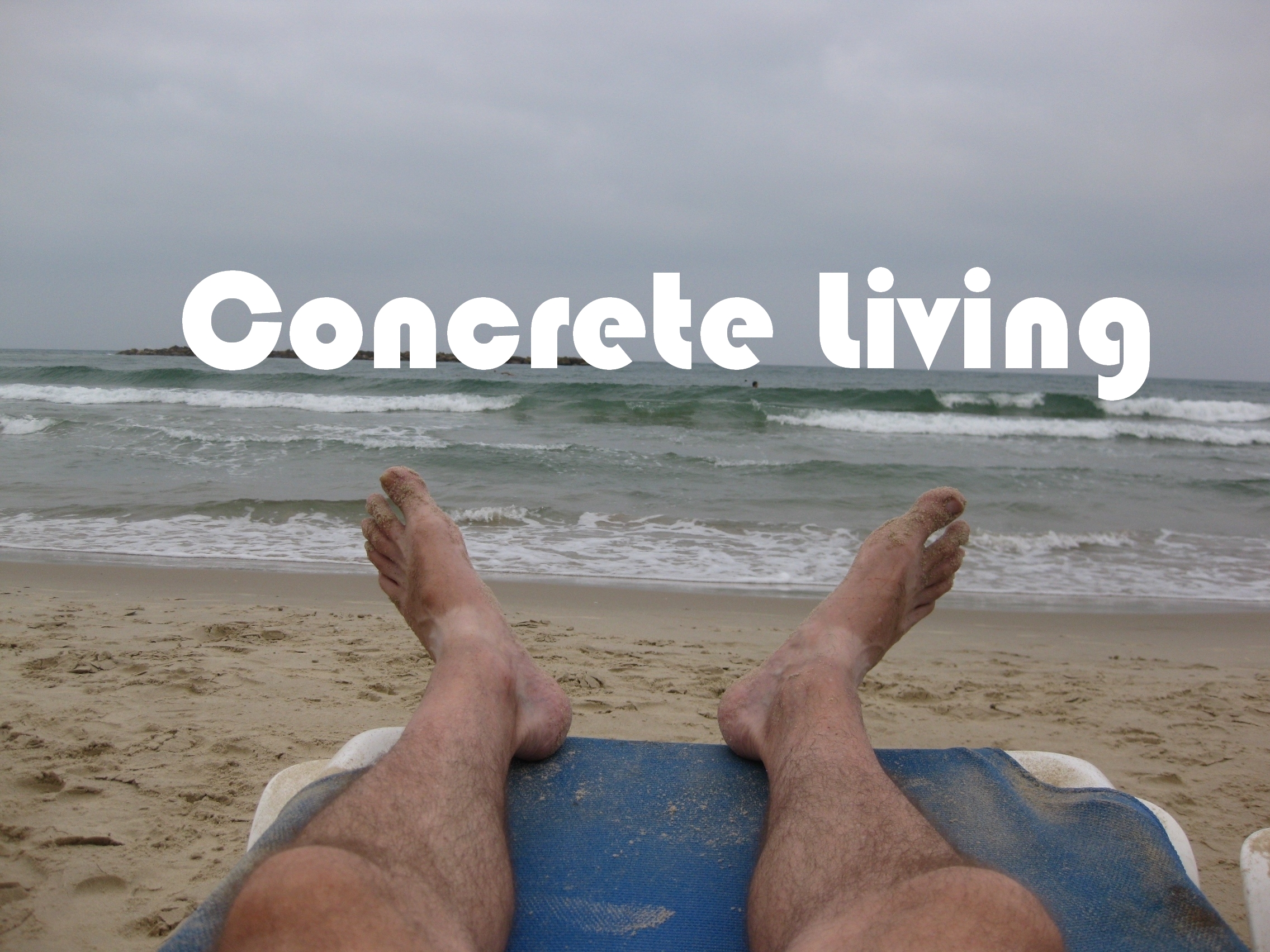
Concrete Living


Concrete Living

From the chapter “Concrete Living” in Oneself—Living:

“The sky is ever changing. The weeds are ever growing. The sand is ever shifting. The bugs are ever multiplying. Natural elements always change, grow (from beginning to end), shift, and/or multiply. The natural order is just so.

People too are ever changing, growing, shifting, and multiplying. The natural order is just so. The body changes, takes in, lets out, grows up, withers away, builds, processes, and moves.

Life is not concrete; life is fluid. The flow may be slow, but stagnated it is not. Life jerks, life cruises and glides, life putt-putts, life sails, and life decelerates. Movement is always linear, from start to finish. Linear in development, multifaceted in development possibilities. The body is born, lives, and dies. The living is huge…or can be…or should be….

… Planning: making plans, long-term or not, short-term or notconcrete living.

Spontaneous actions: last-minute get-togethers or get-goingsconcrete living.

Laughing, smiling, wide-eyed appreciation, willingness to errconcrete living.

Concrete living: living with gusto and with verve, with awareness of an ending and with awareness of possibility, with thankfulness and with generosity.”

Enough drawers


Drawers

Drawers are useful for organizing life. They can hold cherished memories and long-forgotten mementos. They can hold jewelry and other valuable possessions. They can hide away secret items and reveal longed-for desires. They group, separate, and categorize. Drawers are versatile!

Intangible drawers

Intangible drawers are also useful for organizing life. Intangible drawers are available to all, but are known to few. They can be accessed by understanding that life can be compartmentalized, manipulated, and organized. People who are aware of drawer-availability are prepared ebb-and-flow-wise.

Drawer-strategy is a useful tool for people who have experienced events that were fear-inducing, sad, or overpowering (positively or negatively). By placing the events in separate drawers, a person can move their impact to less so. The events are not removed from memory, because a drawer can be opened and its contents examined. By placing the events in separate drawers, a person can choose to lessen the impact of events that trouble.

Each person who uses intangible drawers has an individualized method for opening and closing them. Here are several ideas for working with intangible drawers:

  • When an unpleasant event occurs—large or small—consciously decide that it will not overwhelm you and create an intangible drawer for it. Place the event in the drawer, and then shut it. If you find yourself thinking about this event, remind yourself that you put it away and can only think about it if you open the drawer.
  • During a restful time, think about an actual structure that can contain facets of your life. The structure can be any shape that works for your life. When you go through your regular routines, picture them being organized in your structure. When events occur that overwhelm, let them into your organizational structure.
  • If visualization is difficult, think of a cave that is not scary. Unpleasant events can be thrown into the cave and pleasant events can stay towards the front. When the need arises to think about a past event, let the cave send the memory out.

Drawer-strategy can calm emotions and can expand to encompass whatever happens that causes emotional imbalance. There are enough drawers to help through any situation.

Guidance for the Journey

Journey sign

“The journey through life is a series of starts and stops, U-turns and wrong turns, ups and downs, unobstructed paths and no entry areas, straight and obvious routes and winding and precarious backstreets, unpredictable events and constant rhythms. The journey through life is perceived as difficult, or difficult and interesting, or difficult and unfair, or difficult and deserved, or difficult and surmountable, or difficult and this-or-that. The journey through life is varied in length; a short life is mourned and a long life is accepted. The journey through life is similar for all in that it starts with a breath and ends with a gasp (except in cases of sudden unnatural death).”
…from Oneself—Living

We all enter life with stumbling blocks in front of us. Some stumbling blocks are more difficult to pass and some stop us completely. The journey is meant to be trial-and-tribulation full, not smooth-sailing-the-whole-way. The idea that life is supposed to be easy is a marketing ploy that cripples and weakens us. Life is not a laundry detergent commercial with all the stains coming out, clean as new. Life is complex! Yes it is, and the more we prepare for complexity, the more we can exalt in the journey.

Here is guidance for the journey:

  • Learn to breathe properly and variedly. Knowing how to breathe through the changes in life will help you stay focused and well.
  • Develop your senses. Use your eyes to study the world. Use your nose to create memories. Use your ears to connect with animals and plants. Use your mouth to nourish your body. Use your hands to create. Use your bodily awareness to connect with other people.
  • Know yourself. Know the things that draw you to them and the things that repel. Know your temperament and accept it. Know your abilities and your drive. The more you know yourself, and live accordingly, the more you can live truthfully.

“After a life is over, a new life will one day come. A different body and a varied soul that will live life anew. Each incarnation with its challenges and successes-defeats. Each incarnation with its relationship groups changed yet revisited. Each incarnation in the continuous cycle of life-death-life-death-life-death-life-death-life.”
from Awaiting Light

Giving up is not the best option

Graphic-giving up article

Sometimes it is easier to give up than to fight for, aim for or live for. Giving up is one way to determine, but it is also a way to destroy. Both results can occur when a person gives up—be it fighting for a cause or fighting for continued life. Giving up determines that efforts will stop and that future possibilities are destroyed.

Yes, people need to know when a struggle is not possible, but not before they attempt and attempt again and try anew. Acknowledging defeat causes lowered balance in the body, lowered resistance, lowered opinion of oneself, lowered attempts at other things, lowered connections to other people, lowered connections to spiritual support, lowered enjoyment of pleasures, lowered sharing of experiences, lowered interest in oneself (less love for oneself), and lowered performance.

In cases where many attempts have been made yet nothing changes, people must be realistic and acknowledge reality. Fighting a terminal disease is a fight or a task. When it is a fight, it is all-consuming. When it is a task, it is part of one’s life, but not the whole life.

Life is much bigger than the disease or the lost cause or the forsaken dream. Each of these “challenges” is part of the picture that is life. Part, not all—not even a large part, just a part. The real challenge is to live fully while experiencing the painful and exhausting segments of existence.

Living with vitality and with determination. Yes, these forces of a directed life can bring purposeful and sustaining living!

Investing for a rainy day, the good and bad news

(taken from my article “Good News, Bad News: Investing for a Rainy Day” on HealingAnswers.com)

rain

This blog post is not about investing money. It is about investing in what’s around you—in friendships, in committed relationships, in neighborly relations, in family, and in the community. Investing in these important relationships is investing for a rainy day at its best!

Good News: Investing in family, friends and community builds a safety net

“Investing in friendships and giving and taking from friends is nourishing. Investing in relationships is natural and is needed to live a balanced life. Investing in family—children, children’s children, siblings, cousins, and so on builds a network of support that is reliable. Investing in communal activities builds a network of support that nourishes and strengthens the individual community members and the collective group.”… from “Oneself—Living”.

Investing time is necessary in order to build a safety net for when life becomes difficult or too hard to bear alone. Often, people put work obligations before obligations to family, friends, and community. This behavior has become acceptable in society, but it is short-sighted. The more a person gives to the relationships that truly matter, the more protection from the surprises that occur in life. Of course, a person must perform work obligations with an enthusiastic spirit and with focus, but work obligations should be one section of life, not all of life.

 Good News: Investing in family, friends and community supports good health

The more people invest in their relationships and community, the more balanced their health. Time spent with people who are meaningful creates memories that enrich beyond the moments in which they occurred. Positive memories are better, but even negative memories create experiences that build and nurture if the negative experiences are within the realm of realistic disagreeable treatment. In other words, interactions with family members, friends, and community acquaintances do not always have to be positive for the investment to be worthwhile. Learning to negotiate the varying needs of the various people is balancing.

Tip:

Choose a community betterment activity that excites you so you’ll want to participate. If you enjoy the arts, volunteer at a museum or in an enhancing-the-neighborhood project. If you prefer working on your own, volunteer with community building or cleaning projects. There are enough volunteer opportunities to suit all personalities.

 Bad News: Not investing is unwise

“Non-investment in relationships with others leads to loneliness, sadness, aloofness, insensitivity, and unsureness. Non-investment in friendship—foolish. Non-investment in marriage—incorrect behavior. Non-investment in intrafamilial connections—mistake. Non-investment in neighborly relations—short-sighted. Non-investment in societal obligations—selfish thinking.”… from “Oneself—Living”.

The less people invest in their relationships and community, the less balanced their health. Simple as that.

Conclusion

Investing for a rainy day means being prepared for whatever may come. Rain is not negative, but it can cause a change in plans. The same is true for changes in health, family structure (through births, deaths, divorce, etc.), and societal balance. Being prepared means planning ahead—making sure to invest in the connections that truly matter.

Willingness to blossom

Orchids

The willingness to blossom is not built in. It is a conscious decision that each person makes. It doesn’t mean succeeding; it means being open to succeeding. It means having a sense of purpose and making the purpose a priority. It means getting up early to practice, choosing to develop rather than lazing around, filling time with steps towards and not steps away from, investing in the bud that is the potential flower.

The willingness to blossom is a natural human characteristic. When the desire for a goal is allowed to appear, then the awareness of the choice to succeed is sensed. This sensing leads to the conscious decision to try. Trying leads to success and less success, more success with each try. The more success experienced, the more the desire to continue trying. Choosing to blossom applies to large and small successes. Each one a bud on a flower stem.

Task

Picture your attempts at things. Are they bud-less stems or flowering blossoms?

Examine your goals and consider their importance.  Goals that aren’t true to who you are will be hard to want.

Examine your drive to blossom. If it is weak, then perhaps your goals are incorrect for you or your distractions are too time-consuming. If it is strong, keep self-trying-succeeding.

Things to beautify

(taken from my article “The Pursuit of Beauty: Things to Beautify” on HealingAnswers.com)
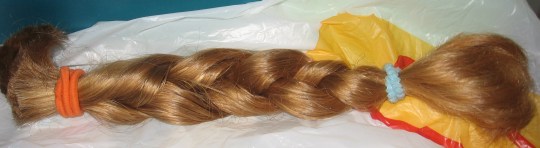
Hair

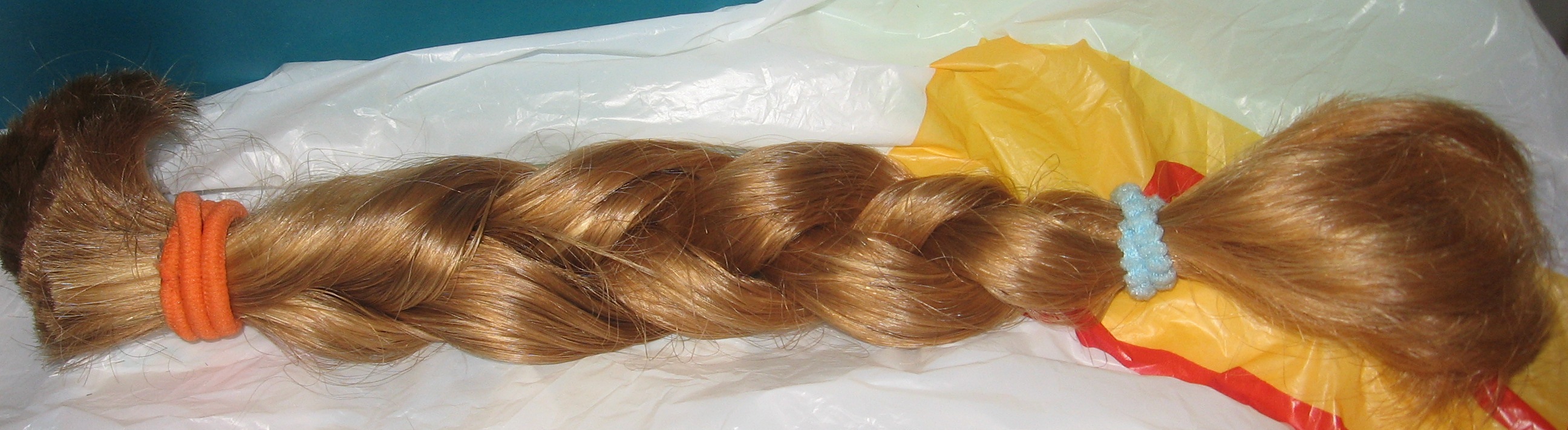
(a picture of hair sent to Locks for Love)

 “Beauty for people is an overpowering stimulant. Whether the beauty comes from natural sources or from people’s hands, no matter, the effects on one’s senses is intoxicating. The drive to build useable objects such as highways, buildings, and smaller, practical objects is partnered with the desire to build them aesthetically. When objects are built for usability only, they are valued less than when built for admiration. Sometimes the pursuit of beauty is placed on the wrong objects. For example, trying to change the natural aging of the body in order to pursue an unnatural expectation is foolish. One’s efforts should be placed on beautifying one’s surroundings.”

–          from the chapter “Personal Endeavors” in “The Gift of Intuitive, Dedicated Comfort”.

This blog post lists the effort-worthy things that should occupy people’s drive for beauty.

Community

People live in more than a home; they live in a community. Some people think they have responsibility only for the actual place in which they live. That is not true. They have responsibility for the appearance of the area in which they live.

This fact even applies to temporary dwellers.  Temporary dwellers are in a state of flux geographically, but their need for beauty does not change. As a matter of fact, they might need it more because of the transient nature of their current situation.

People should do whatever they can to beautify their community, be it through planting trees, flowers and plants, contributing to community efforts to maintain the community, cleaning as needed (picking up trash, cleaning up after one’s pet, and moving obstructions), and taking interest in the happenings of the community that affect its appearance.

Garden

Connecting with nature is vitally necessary for people’s health. Taking the time to beautify a garden or a windowsill or a path at one’s home is important. Important for a person’s sense of aesthetics, important for a person’s connection to nature.

Post 97-flower arrangements3


Home

Taking the time to beautify one’s home is time elevated. People require beauty around them, and their home is the main surrounding environment. Beautifying one’s home includes spending time understanding the furnishings and decorative items that make the person happy, not just buying what is in fashion. Even temporary dwellers should make efforts to beautify their temporary dwelling.

One’s countenance

Countenance means the expression on one’s face, but it also means the presence a person emits as they go through life. A smile on the face that is sincere is beautiful. Wearing clothes that make the wearer feel a smile inside their body is beautiful.

Feeling a sense of importance is beautiful—not that the person is an ambassador or a well-paid executive—no! The sense of importance comes from knowing that one’s being is important—the importance that is naturally infused in people when they are born and stays if they are not damaged too much by circumstances or people. Knowing that the life inside is worthy of viewing as beautiful.

Maintaining a beautiful countenance requires caring properly for the body, participating in activities that bring uplifting feelings, and awareness of one’s abilities and accomplishments.

Atmosphere in one’s home, one’s place of work, and one’s selected activities

Having beautiful objects in one’s home is not enough. If there is anger or hurt in the air, the beautiful objects are tarnished. People’s feelings are more important than the inanimate objects.

Efforts should be made to beautify a workplace. The most important way to beautify a workplace is by bringing in plants and planted flowers. Inanimate plants and flowers don’t count. People should take the time to care for plants in their workplace because the plants give more than people realize. The atmosphere at the workplace should also be kept beautiful: building confidence rather than being hurtful, lending a hand rather than brushing off, speaking kindly rather than attacking, and so on.

The atmosphere at activities can also be beautified when people work together, encourage each other, and smile at one another.

Conclusion

Beauty is found everywhere and in tangible and intangible things. To live beauty is to live with openness, kindness, and curiosity. To be beautiful is to live in acceptance and awe of oneself and one’s life.

Sometimes the Least Boisterous Person is the True Star—The Dos & Dont’s of Notice


Attention

(taken from my article of the same title on HealingAnswers.com)

In a gathering, there usually are the people who stand out. They generate more buzz, they attract attention. There are the people who mill around the buzz-makers and there are the people who make the buzz in the background.

The background buzz-makers are the real ones to follow, but they often don’t make the fuss that generates the action. These people do acts of kindness, make others comfortable, fulfill the role of support provider, and consider the needs of society. These people understand that they are obligated: obligated to care for their families and their community and obligated to remember the needs of the environment and of the creatures that inhabit the Earth.

There are stand-out individuals who not only generate buzz in the limelight, but also fulfill their obligations in much-larger-than-self ways. They, and the less visible obligation-fulfillers, receive notice in the spiritual realm where one’s actions really matter.

This blog post provides the Dos and Dont’s of getting noticed for behavior deserving of notice.

DO:  Fill your time with sustaining activities

Here are a few examples of sustaining activities from Pond a Connected Existence:

Spending time with loved ones! Playing with babies! Teaching children in the customs and traditions of one’s forebears! Singing! Dancing! Singing well! Singing flat! Artistic expression! Preparing healthful meals! Picnics!  Family gatherings! Gatherings of friends! Gatherings of people for life events—sad ones and happy ones!… Working with gusto! Working with integrity! Working in unison and working alone! Group activities that have a higher purpose! Group activities that bring enjoyment! Walking! Running! Jumping! Riding a bike! Riding a wave! Swimming! Moving for fun and moving for health! …

DO: Take care of the environment

Taking care of the environment includes planting plants, trees, and flowers. It also includes not littering and not being wasteful with the Earth’s resources.

DO: Take part in activities that bring betterment to the community and to the less fortunate

No matter how busy you think you are, you are not too busy to help out with a volunteer organization in your area (unless you are attending to a terminally ill family member which is consuming all of your time).

DO: Smile, even when smiling feels forced

A smile lifts the spirits of those who see the smile and the one who wears the smile. As an experiment, sing a song while not smiling and then sing the song again while smiling. Smiling simply changes one’s mood and one’s influence on others.

DON’T: Smile at a person if you are thinking bad thoughts about them

A fake smile cannot necessarily be detected by others, but it is recorded in the spiritual realm. Pretending to be happy when someone makes you unhappy is the incorrect approach. If someone really affects you in a negative way, either try to limit exposure to this person or try to change the dynamic.

DON’T: Fill your time with non-sustaining activities

Non-sustaining activities include small things like watching too much TV, playing too many computer games, eating junk food, complaining about inconveniences. Larger non-sustaining activities include things like participating in aggressive behavior towards other people, other creatures, or the environment; eating too much food; focusing on the lives of people who have no true relevance in one’s life (for instance, following the movements of a celebrity or keeping tabs on old love interests); pretending to like one’s job or partner or pastimes or this or that, when one is unhappy… – “Pond a Connected Existence”.

DON’T: Say no when asked to help just because you want more free time

Obligation to one’s community is much larger than many people think. Taking part in elections, taking part in cleaning up, taking part in communal rituals—these are the basic obligations on all. Beyond those acts, one should participate in bettering the community.  – “Pond a Connected Existence”

Saying no when help is needed does not earn notice where it matters. If you are feeling too tired, rather than lessening your sustaining activities, examine your less sustaining activities and consider lessening them.

DON’T: Be wasteful

Appreciate what you have. Don’t be greedy with your desires. In general, people want more than they need so try to be reasonable in your usage of resources that are not easily replenishable.

Conclusion

The notice being discussed here is not notice by the people seeking excitement. It is notice in the spiritual realm that considers the actions of people and provides spiritual connection or not.

The more a person strives to bring balance to himself or herself and to the family, community, and neighboring environment, the more possibility of spiritual connection and guidance. Balance within and with all lead to life lived purposefully and with spiritual connection.

Living life in Technicolor!

(taken from my article “Living in Technicolor” on HealingAnswers.com)

Post 127 technicolor


Life is a multi-colored, multi-dimensional experience. Each person’s life is a portrait that presents the richness and fullness of the life. The more a person experiences, the more colorful the portrait. As explained in “Pond a Connected Existence”:

 “The moments accumulate and produce the picture that is one’s life. Enriching moments are vibrantly colored; valueless moments are dull and unexceptional….The picture that is one’s life has dimensions: smooth in places that are enriched, jagged in places that are unbecoming, two-dimensional in places where a choice was not made. The form of the picture can be SO large, one simply has to choose to be giving and engaged and willing to participate in a well-lived life. Life that is experienced through true living lights the way for others.”

If each person were to think of his or her life as a painting, they might live life differently. The daily routine may seem colorless, but actually it can be very vibrant if the days are filled with many moments of connection.

How can I add color to my life’s portrait?

Each time a person aids another person, cares for a pet or protects the environment, the portrait is colored vividly. Each time a person scorns another person, abuses an animal or destroys the environment, the portrait is painted in lines that are flat and thin. The better the behavior, the more beautiful the portrait.

Does the length of life affect the portrait?

Yes and no. An infant who dies has not yet had time to accumulate a life portrait. A child’s portrait is affected by the caregivers’ treatment. A young adult begins to accumulate texture and vibrancy in the portrait, especially if the life is a positive force. The more experiences a person has, the more chance for a rich and textured portrait. An older person’s portrait has many layers because the longer a person livesת the more chances to make amends and fix past mistakes.

Can I add texture to my life’s portrait?

Texture is added when a person gives kindness, empathy, and trustability. Texture is also added by facing adversity with resolve and action. Even small displays of these qualities develop the texture in the life portrait.

How does connection to nature affect the portrait?

The more a person is connected to nature, the more vivid and varied the colors in the life portrait. Hiking in the hills adds more color than walking around a mall. However, living in nature to avoid other people does not add to the portrait’s texture.

What about creating a connected portrait with my partner?

Each person has a life portrait. There are no duo portraits. Each person’s feelings are his own, actions are his own, and so on so that combining life portraits is not possible. With that said, there is a possibility of similar sections when the love that is displayed between the two is love that is supportive, accommodating, and devoted.

Conclusion

When we consider the effects our lives can have on the community in which we live and on other people, we often think that our contributions are negligible. If we picture our lives as portraits in progress, then perhaps we will realize how much our actions and involvement matter.

LET’S PAINT!

Resistance to major change

Post 30 luck

Oh if life were so easy
I would be the person I was meant to be
I would take on challenges and handle them with ease
I would be open and funny and clever
I would look fabulous and sing on key
I would not be cranky or defensive
And I would not get upset over silly things.

But life isn’t easy
So I let myself off the hook
And often don’t try
And blame others
And wallow in misery
And even give up
Sometimes.

Perhaps there is a place where
I can find respite from my too-difficult me
Where my mind shuts up
And my gut finally stills
Where I let myself accept
And I let myself free
The person that I am truly meant to be.

Post 7-bracelet

Too many people let themselves sink too low. Rather than rejoice in their living, they choose their misery. Sometimes the cause is nutritional, sometimes the cause is hormonal, and sometimes the cause is just habit. When the reason is laziness or lack of appreciation, the way out is through communal service. When the reason is nutritional or hormonal, the way out is through intervention by a nutritionist, naturopath, doctor, or other healing specialist.

There are other causes as well for the spiral downwards, and often spiritual connection can aid the situation. Energy Guidance Complete is spiritual healing focused on balance and elevated living. Making changes in one’s focus can lead to changes in one’s self-centeredness. Finding guidance that is larger than oneself can loosen self-absorption.  Accepting that the difficulties are just difficulties that can be handled releases self-indulgence.

Resistance to major change? Not worthy of true living. Life flows and the less we fight the flow, the more we can heal.

Personal resistance: resisting manipulation through personal choices

Post 60-finding ones way2I am currently visiting in the States. I am happy to be here and I am viewing all with a sense of newness and interest. There may be too many cars, but I focus on the trees. There may be too many sales, but I focus on the interesting designs of buildings and clever business presentations. I have been in several large supermarkets and department stores with food sections, and in them, I have lost my vitality. (Where I live, I shop in supermarkets and stores that aren’t so overwhelming.)

Too much to take in, too much to choose from.

As I walked down aisle after aisle of prepared foods and other products, I felt a rush of sadness for the bombardment on people by too many products, too many packages to read, too many eye-catching colors and names, too many decisions to be made. Too much time to be spent on relatively routine purchases. Too much pull to buy unnecessary things. Too much effort spent on trying to resist the call of the quick, the cheap, the treat, and the packaging. Manipulation through promises of happiness through tastiness, assuredness of nutritional needs met through ease of preparation.

The thing is—our bodies don’t want the easy stuff. They want the wholesome stuff. They want the foods that nourish, and if these foods are tasty, all the better. Wholesome, nutritious foods are so delicious when we savor them and let them weave their subtle magic on our palates.

Post 106 personal resistance

The assignment: aim to exercise personal resistance by refusing to be swayed by the call of the pretty packages. Choose more fresh fruits and veggies. Try not to be drawn to the quick, cut-up fruits and veggies—buy the whole ones and wash and peel and cut them yourself. Take the extra few minutes needed to touch the whole fruits and veggies before you eat them. You might not have picked them, but at least you can prepare them for their good work nourishing your body. Aim to use whole products in a soup that you make or a casserole or a main dish.  Making from scratch does not take much time if you don’t use too many ingredients and fancy techniques.

Personal resistance is not as small as it may seem. As it says in The Gift of Intuitive, Dedicated Comfort:

“It may seem that individual people have little effect on a large society, and many people believe that their actions are inconsequential. They are mistaken. Each act of kindness, each measure of understanding for one’s fellow, each occupational task performed with enthusiasm, each show of warmth, and each display of affection influences and continues the positive actions of others. The importance of the chain of connectedness must be realized. One link in the chain can create infinite effects. People must always remember that their actions matter.”

Whenever boredom exists

Post 79-boredom

Boredom is a result of feelings of entitlement and sadness. A person who feels that he or she deserves to be entertained or to be treated “royally” does not make effort to create amusements or goals for himself or herself. A person, who for whatever reasons feels sadness and is unable to direct his or her reality (entertainment options or pastimes), may call the situation boredom for a lack of understanding of the true cause.

Whether the cause is entitlement or sadness, the resulting boredom adds to the person’s lack of bodily balance (physically, emotionally, intellectually, and spiritually).

Boredome leads to:

  • Reliant reality (reliance on others for things within one’s own realm)
  • Avoidance of handling the true issues
  • Improper behavior
  • Missed opportunities
  • Blame of others
  • Poor performance

What to do when you feel bored

  1. Examine your current reality for entitlement or sadness issues and address them.
  2. You probably need more movement in your life. Walk, dance, swim, bike, juggle—whatever activity lifts your spirits.
  3. You probably need more purpose in your life. Investigate volunteer opportunities in your area and volunteer.
  4. Strive!

When sadness hits

Post 78-Sadness

Sometimes terrible things happen to people. Sometimes young people have serious illnesses that disfigure or damage them. Or weaken them so they die too young. Sometimes natural disasters befall people and they are left homeless, hurt, or confused.  Or orphaned. Sometimes people hurt other people—intentionally or not—so that trauma or death results. Sometimes people damage themselves—intentionally or not.

In all these cases, the survivors and caregivers are required to continue on and live. Not an easy task. Caregivers suffer daily, both physically and emotionally. Survivors suffer too, although differently and in varying degrees of despair, guilt, and shock. Both are in need of support, kindness, and openness to their pain. In other words, a survivor or caregiver needs a quiet  audience (meaning the listeners are quiet) for them to bare their sadness. If the audience is not quiet, the sadness might not dissipate. Quiet and constancy are the qualities of people who are helpful to those who need to give way to the effects of their sadness.

When sadness hits because of the natural order of life (a parent dies in old age), the survivors also require the same quiet and constancy. Sadness is sadness no matter the cause, although extra understanding should be given to the survivors of tragedies.

The person who has suffered the trauma (but not death) needs even more constancy and support. This person must eventually release the hold of the trauma. As described in the book Oneself-Living (soon to be released):

“Negative remembrances require determination and desire to purge them. Negative remembrances that are traumatic are often too difficult to release with-out continuous and relegate-to-a-less-prominent-place focus. Although traumatic events damage the connection to self and the sense of security, a person can remove the vicious side of a trauma so that a normal life can be led. Leading a normal life means focusing on the tasks that are done each day to sustain life: intake of food and water, sleep, interaction with others, and appreciation of the natural environment. Holding on to the tainted memory(ies), or holding back because of self-manufactured fear, prevents purging of the trauma of the event. The trauma must be released.”

Sometimes, terrible things happen to people. Terrible things also happen to the animals that inhabit the Earth. Terrible things happen. Can something be done? Towards the animals, much can be done. Towards people, less can be done. Towards animals, much painful treatment are day-to-day practices that people do to animals for food, clothing, and decorative items. Becoming aware of what is done to animals is the right thing to do. In general, people have less control over the tragedies that happen to people. Nonetheless, awareness of wrongful treatment of people should bring action from people who can affect change.

Sadness is sadness, no matter the cause. Releasing sadness can be done—with patience, with kindness, and with readiness.

Learning to love I

Post 75-learning to love I

A continuation from yesterday’s post…

Not liking ourselves leads to not liking others

The work begins within!

When we are unkind to ourselves, we inhibit our ability to relate to others in a balanced and caring way. Their idiosyncrasies annoy us rather than entertain us. We relate to them in harshness and in impatience. When we are kind to ourselves, we expand our caring for ourselves and for others.

How to be kinder to ourselves

  1. Feel inside your body—think about its wondrous functioning (even if you are sick) and be appreciative towards the internal grandeur of your body.
  2. Think about a person you admire, and imagine that his or her admired qualities are in you too.
  3. Write a short wish for yourself that includes a wish for admiration. For example, write “I desire and wish for myself to admire myself” (You are not being graded on your writing composition.) Keep this written wish in a place that is private and accessible, for instance, on a shelf by your bed.
  4. Look at each finger on each hand and notice its shape and agility (if any of the fingers hurt or are arthritic, stroke the finger and send it compassion).
  5. Listen to music that invigorates you and think of yourself as being a joyous person.
  6. Touch your face and slowly breathe, while your feet are rocking back and forth on the ground. You can do this step while standing or sitting.
  7. Look at a reminder from your childhood (a picture or a knick knack) and then look at your favorite piece of clothing or a memento.

Practical advice

Post 72-practical adviceOne of my blog followers thanked me for the practical advice I provided in yesterday’s post (about when to drink water). Her comment led me to look through my blog and see how much practical advice I provide. Not as much as I had thought! I have mainly provided wisdom about many topics that we all deal with without presenting a how-to. Would y’all like more practical advice? Let me know.

Here is a list of practical advice that has been presented through my blog since I began writing it in September:

1. If you have experienced a minor trauma, do the following steps:

  • Notice the physical state of your body.
  • Breathe normally (breaths don’t have to be deep, but should not be quick).
  • Think about how things turned out more-or-less okay.
  • Do movements, like a little victory dance, which will release the bodily tension.

from “Overcoming small traumas”

2.  To connect to your environment:

  • Consider the available channels for community service in your area and select one that is doable for you. Then examine your time wasters and select one or two that can be replaced by the community service. Then make it happen!

from “Connections are the means–connection to one’s environment, post 3 of 7”

3.  To connect to creatures:

  • Caring for pets, supporting humane zoos, supporting centers for animal care, abstaining from using animals for decorative objects, and supporting animal habitats in the wild are important ways for humans to fulfill their obligations to other creatures.

from “Connections are the means–connection to other creatures, post 5 of 7”

4.  When feeling hesitant to take an action or make a decision notice three things:

  • Does the action or decision make you feel fearful, worried, or unqualified to act/decide?
  • Does the action or decision cause your intuition to signal a strong response–positive or negative?
  • Does the action or decision require you to be more active than you normally would? If so, are you hesitating out of laziness or inertia?
  • Once these questions are addressed, a decision should be easier to make and an action should be easier to take.

from “Hesitation”

5.  To maintain the “glow” during Christmas time:

  • Be sure to schedule time to experience the beauty and rhythm of this very special time.

from “Christmas doings”

6.  To deal with clutter:

  • …Declutter one significant area, then observe this area and be proud and kind to yourself. Declutter a second significant area, then observe this area and be proud and kind to yourself. Continue in this fashion until you have decluttered the areas that deserve to be uplifting.

from “Clutter”

7.  To handle too-controlling people:

  • You can release them from your life if they are not family members.
  • If they are family members who do not really need your company, you can limit your time with them.
  • You can breathe in this rhythm when he or she starts to tantrum: breathe in to a count of 5, breathe out to a count of 4—until the person requires a response. The breathing and counting should help you lessen the tantrum’s effect on your body and will help you tune out the unpleasant words…

from “I want my way”

8.  To add more touch to your life:

  • Touching a loved one is much needed balancing. If a loved one is unavailable, then touching an animal. If an animal is unavailable, then touching a part of nature—a flower, a blade of grass, a stone, etc.

from “Sense of touch”

9.  When feeling stuck:

  • Breathe to this count: breathe in to a count of 6, hold for a count of 4, breathe out to a count of 5. Breathe this way until relaxation starts to set in.
  • …look at [the sky] and appreciates its colors and its movement.
  • …think about little achievements and the larger ones, and then do the relaxation breathing again.

from “Feelings of non-movement”

10.  When feeling frustrated, the best antidote is making something:

  • Making a comforting food that is also nutritious
  • Making another person happy
  • Making a trip to a beautiful landscape
  • Making a phone call to a person who lifts your spirits

from “What does frustration feel like”