A Balanced Approach to Wellness!

Posts tagged ‘thoughts’

Inventive body stuffers—processed foods

Post 102 Processed foods

Processed foods challenge body processes (not all processed foods are challenging to the body, but the ones that are good for the body are in the minority). The foods being discussed here are the ones that contain the ingredients that are known to be harmful, but people eat them anyway.

These foods should be limited to never. Really!

Food is not the only damaging thing to people; emotional damage can be more harmful than eating toaster pastries. Nonetheless, the better the food we put into our bodies, the more chance of physical and emotional balance.

Book #5 is almost done

Yesterday I posted that book #3 has been published. Now I’m letting you know that I’ve finished the first draft of book #5. What happened to book #4? Well,  I’ve written about 1/5 of it, but the material is difficult for me to understand from Spiritual Presence.

The way I write is that I ask what I’m supposed to write, and I receive Yes and No answers—through kinesiology muscle testing. I in essence am taking dictation, but I have to first ask what the words are. And I have to have an idea of what to ask. When I first started writing the healing handbooks, this process was not easy, but I’ve become used to it and can often flow with the words once I understand the topic. Book #4, titled Signals that Inspire and Intertwine—the Fifth Component of Health, is writing about something I know nothing about so my questions are not easy to formulate.

Post 99-Book5

I’ve jumped ahead to Book #5, which is a how-to book. Books #1-3 set out the wisdom of Energy Guidance Complete and Book #5 provides guidance and steps on how to live the wisdom. It’s title is Vitality!— How to Create a Life That is Healthy.

Here’s a peek:

From the chapter about the four components of health:

Breathing Into All Four Components

When you breathe, you do so much more than fill the lungs with oxygen. You fill the body and soul with life-giving force. Each day when you awaken, breathe deeply and remind yourself that your breathing adds oxygen to your lungs, adds hope to your emotional being, ignites your thinking abilities, and connects you to spiritual possibility.

From the chapter about nature’s creatures:

Things to Do to Relate to Creatures

OLYMPUS DIGITAL CAMERA

  • Visit humane zoos and petting zoos, and give them your monetary support.

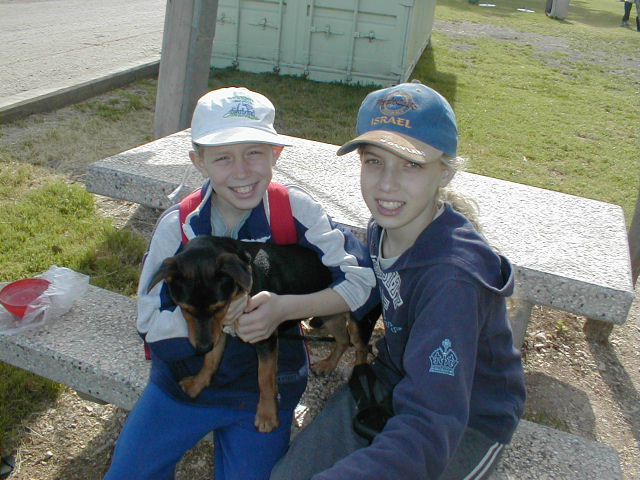
  • If you have a pet at home, spend extra time observing your pet’s antics and behavior. Let yourself fall in love with your pet (if you haven’t already).

  • Volunteer at an animal shelter.

  • Research foundations that work with animals and donate money—and time when possible—to help them.

Things Not to Do to Creatures

  • If you “love” fur items, resist the temptation to buy them. The only people who should be wearing fur outerwear are people who live in extremely cold climates. Do not support fur as a fashion statement.

  • If you “love” animal skin items, resist the temptation to buy them. There are no people in the world who should be wearing them or decorating their houses or businesses with them.

  • If you “love” reptile skin items, resist the temptation to buy them. There are no people in the world who should be using them. Do not support reptile skins as a fashion statement.

  • If you “love” to hunt, only hunt animals for food, not for their decorative parts.

  • Eat less meat. See “Vitality! The Foods We Eat” on p. 12 for information about the amount of meat that should be eaten.

  • Resist eating meat and fish from endangered or nearing-endangered birds, animals, and fish. Take the time to learn the types of birds, animals, and fish that are endangered.

  • Don’t ignore the plight of endangered animals, animals and birds raised in industrial meat/milk/egg factories, mis-treated pets, and so on.


Flower arrangements and other once-living lovely things

Post 97-flower arrangement

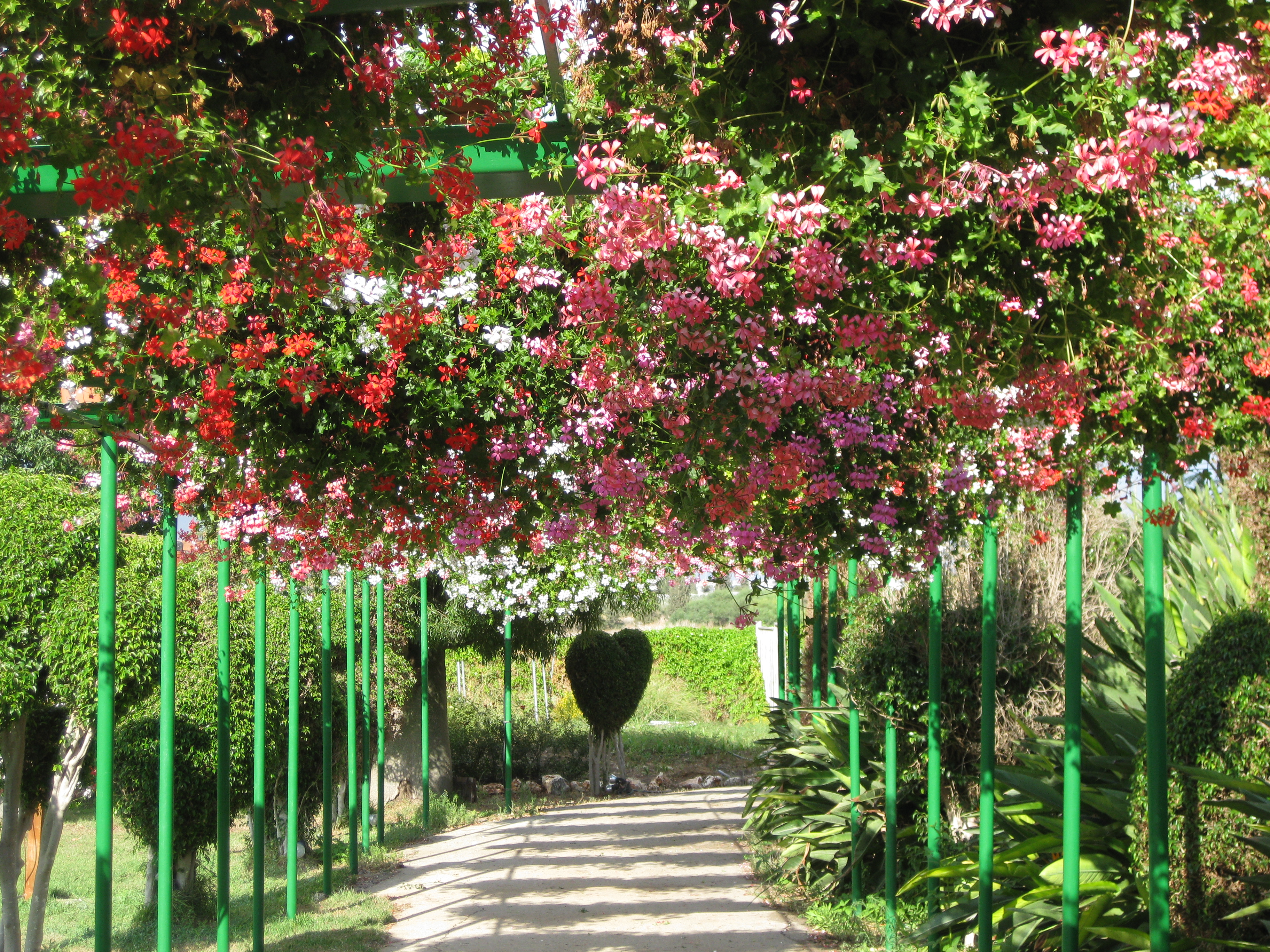
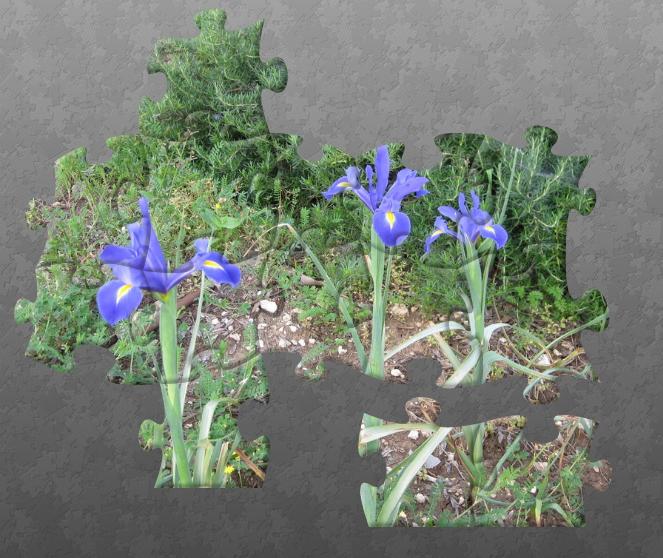
Flowers have magical properties. They entrance us with their beauty. They captivate us with their smells. They take the focus from surrounding plants and they lure us to the green places to see them.

The magic of life is screened on flowers. Watching a flower grow is like watching a fascinating art movie. From the moment a bud starts to form til the moment the withered flower falls, interest never wanes. At each stage, the flower entrances, captivates, and holds power over us.

Post 97-wild flowers

So much so, that we must have them close at hand—in our homes, in our celebrations, in our personal expressions of love, and in our religious institutions.

But close at hand is not the same as being in a field. The magic begins to fade the moment the flower is cut from its stem because life is no longer flowing. The loss of magic is slow though, which is why we can enjoy them so much when they are close at hand. But their ”dying” in the vase is different from the dying on the vine. Not so captivating, not so enjoyed.

The flowers that grow in the wild provide their magical smells. The flowers grown for arrangements are grown for visual beauty, for extended life, and for more color variety. Natural flower smell is of lesser importance. Smelling flowers that have been grown for floral arrangements leaves the nose and the olfactory receptors in a state of confusion.

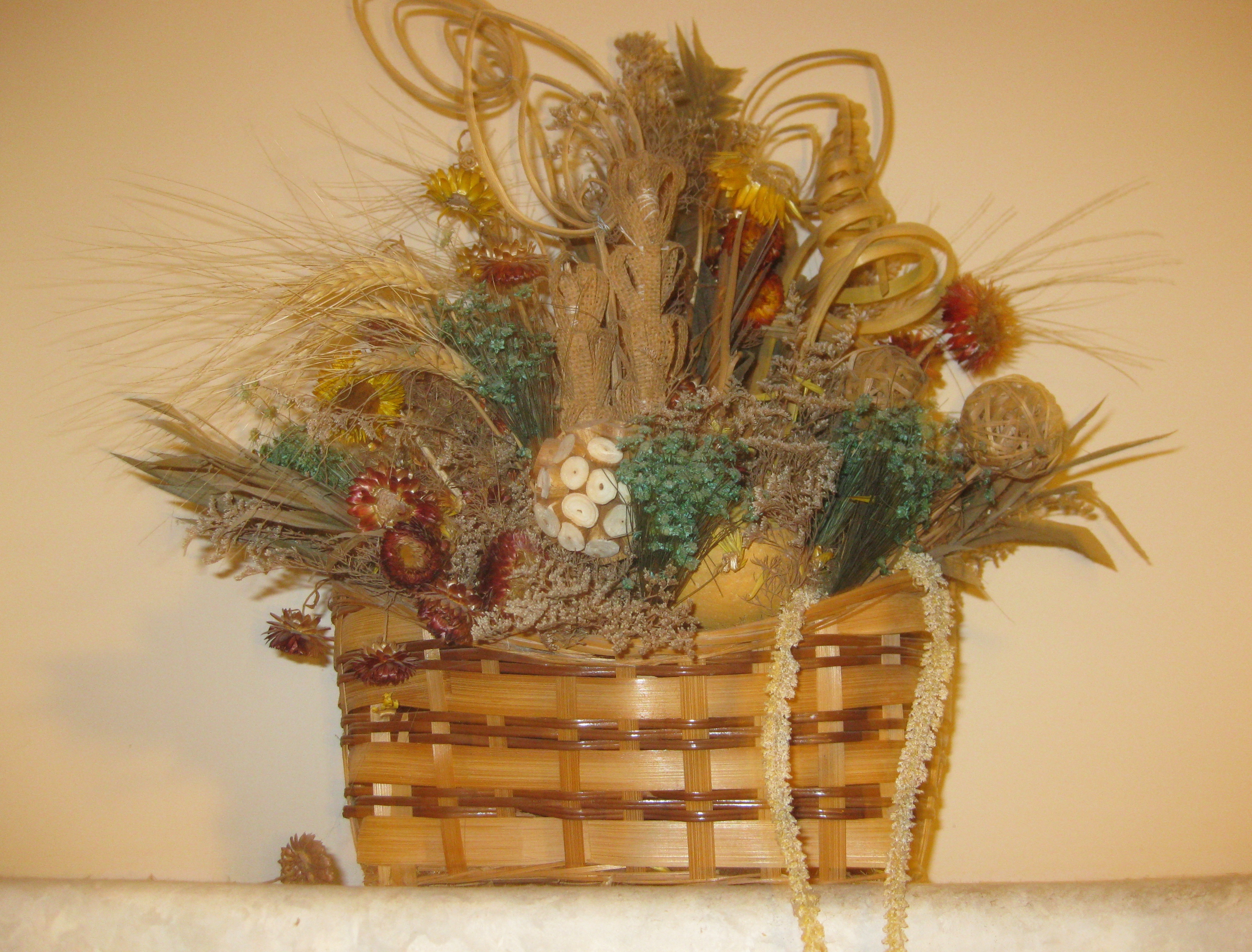
Dried flower arrangements are more desirable than artificial flower arrangements because the dried flowers were once alive and they maintain a sense of the live flower.

Post 97-flower arrangements2

Advice for flowers in the home

Flowers are a wonderful addition to the home. Here is the hierarchy for bringing “flower power” into your everyday life:

  1. Potted flowering plants
  2. Potted flowers
  3. Dried flower arrangements
  4. Cut flower arrangements

Enjoy the magic of flowers!

Post 97-flower arrangements3

Fake nature, no soulful beauty

Post 96-fake nature

Displays of nature that are not living displays of nature (like artificial flowering plants) are neither good nor bad, but they do affect.

A living plant inside a building adds oxygen to the air, adds beauty, and increases the stabilizing positive energy in the building. It draws the eye and, unknowingly to people, uplifts the soul. A fake plant, no matter its similarity to a living one, can only add beauty, and nothing else. The most important work of a living plant is not only not done, but is lost. The uplifting effects of living plants are important and should not be underestimated.

Eating food in a restaurant that is decorated with fake plants fails to feed the soul. Working in an office decorated with fake plants does not energize the workers. Living in a house that contains only fake plants and no living plants is a house bereft of the soulful energy provided by plants. A smattering of fake plants is acceptable as long as there are live plants as well.

A smattering is the amount to use when decorating with fake plants and flowers.

Nature is the best entertainment


Post 95 nature-1

  • Is going to the mall satisfying for the soul? No, not even to people who love shopping (even if they think so).
  • Is playing on the computer or watching a viral video satisfying for the soul? No, not even if the viral video is about a wonderful person.
  • Is sitting at a restaurant satisfying for the soul? It can be, if you are sitting with people who are enriching, but the atmosphere at any restaurant is not enriching for the soul.

Connecting with nature is satisfying for the soul. It just is, because we were designed to be part of nature. Along the way, we lost the importance of our place in nature and we need to get it back. In general, our lives have become very cut off from nature, especially for those who live in large cities or spend too much time in cars or public transportation. There are people who work at staying connected, but they are not the majority.

Post 95-nature 3


How to reconnect with nature

  • Plan regular hikes and actually go on the hikes. The hikes don’t have to be long, but they should be in green spaces.
  • Visit parks and nature areas.
  • Visit humane zoos and petting zoos. Contact with animals is an important part of connecting with nature.
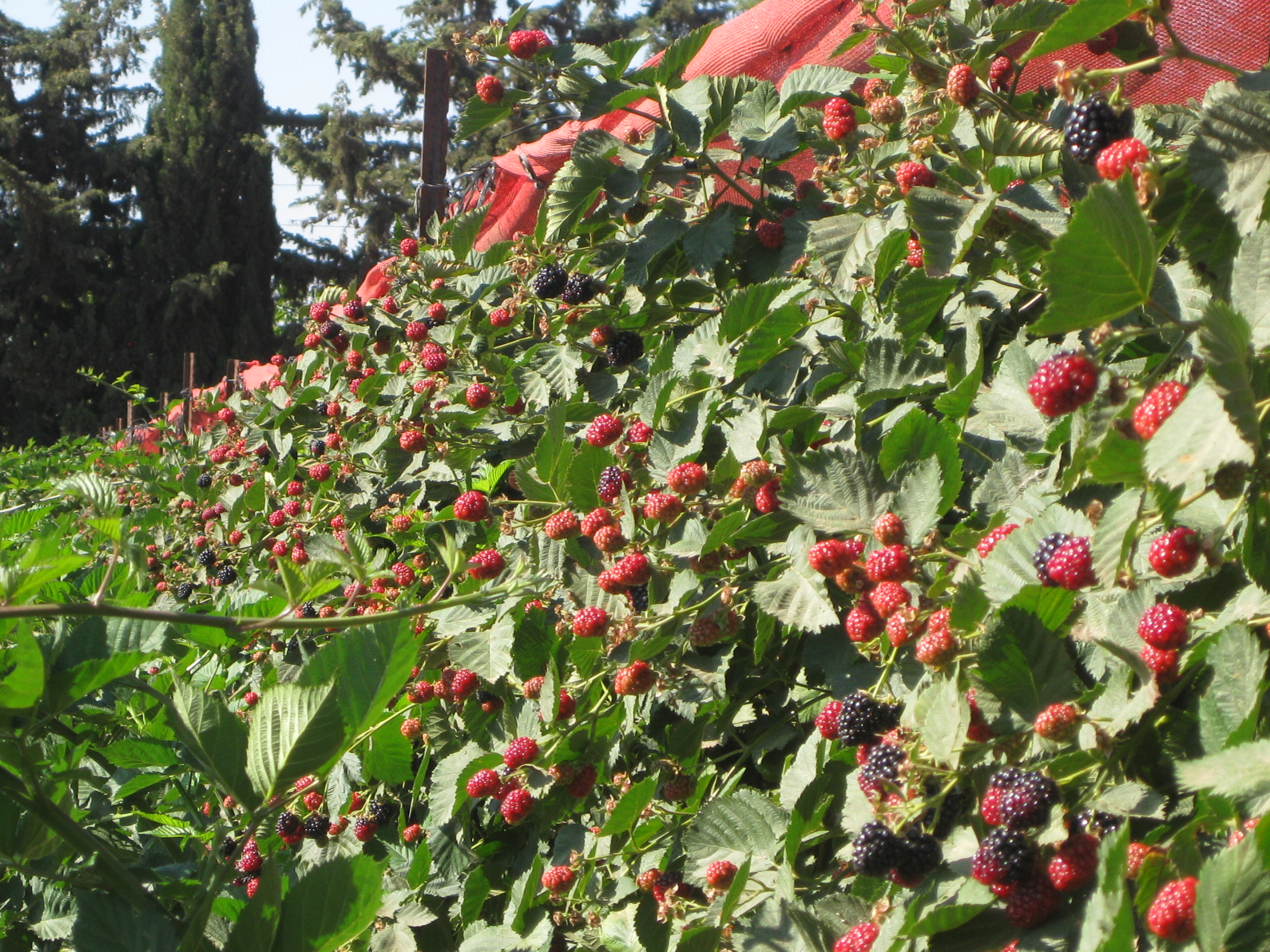
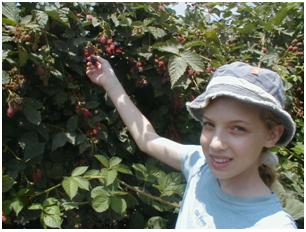
  • Shop at farmers’ markets and find farms that have fruit picking. And go pick fruit!
  • Add more plants and potted flowers inside your home.
  • Visit places with water: beaches, lakes, rivers, and springs.
  • Visit botanical gardens.

Try being more connected to nature and see how entertaining it can be. And at the same time, your soul with be nourished and you will become more balanced.

Post 95-nature 2

Nature can never not be nature

Post 94-nature

The rhythm of nature is a rhythm that people cannot understand. People can study nature—the animals, the vegetation, ourselves—but we cannot really fathom the rhythm. This rhythm has a beat that goes like this:

9. Sway to the up-down-up-sideway-sideways-sideways-down-up

8. Beat 72…8…28…15…39

7. Breathe in&out&in&out&in&out&in&out

The rhythm relies on winds and stillness to alter the sway. The rhythm relies on dew and rain to change the beat. The rhythm relies on light and gravitational pull to change the rhythm of the breath.

The rhythm is connected to the heartbeats of all living things that have hearts. The rhythm is connected to all living things that have wing beats. The rhythm is connected to all living things that glide. The rhythm is connected to all living things that effloresce (blossom).

The rhythm is so intertwined and so constantly going to the beats, wing beats, movements, openings and closings that an interruption interrupts much. That is why when people make a change in nature, they don’t realize what they are doing to the …

A puzzle of plastic

puzzle

Plastic bottles, plastic bags—obvious things made from plastic. Remote controls, the grips of many cooking pans, polyester clothing— less obvious things made from plastic. Plastic is an integral part of our lives.

Puzzling how we so easily bring plastic into our lives and let the nature go.

What if we were to make nature as integral a part of our lives as we make plastic. What would we add to our homes? Plants, flowers—obvious natural objects. Also baskets of fruit (to be admired and then eaten), cloth dyed with natural colors, useful and decorative items made from wood or stone.

Why do we need spiritual connection?

Post 92-spiritual connection

  • We need spiritual connection because our lives are insignificant without it.
  • We need spiritual connection to help us weather stormy and difficult times.
  • We need spiritual connection when nature overcomes us with its beauty or its fearsomeness.
  • We need spiritual connection as a means to fathom life and death.
  • We need spiritual connection if we are lonely or hurt.
  • We need spiritual connection filling our lives with purpose, elevation, and reason for striving.

Spiritual connection can be found on one’s own or in a group. The main thing to know about spiritual connection is that it is available to all equally. No group has a claim on higher access to spiritual connection.

People who dedicate themselves to spiritual connection at the expense of connecting to the people around them are not living spiritual connection correctly. Spiritual connection is not an excuse for turning one’s back on the needs of other people.

Spiritual connection can be a way to understand the world around if we can see the spirituality in all living things.

Spiritual connection fills the world with beauty, drama, and interactions.

Spiritual connection is the basis for ethical and caring treatment of all living things, including people.

Spiritual connection = guidance and ability to weather the ebbs and flows of life

Post 91-spiritual connection

Spiritual connection is the given; not believing is the fashion. To not believe is in; to believe is kept quiet.

To acknowledge belief in a spiritual presence is hard for many people, even if they believe. Those who don’t believe, don’t believe loudly and look down on those who do. Even those who are vocal about their connection are often uncomfortable when the don’t believers question them.

For those who want to believe, but are unable to connect, here is what the connection can do for you:

  1. Connection to spiritual presence can engender feelings of well-being, “even when the life we have created or received seems incorrect.”
  2. Connection to spiritual presence can support when life is daunting. “A person who has a sense of spiritual presence will weather the ebbs and flows of life more confidently, more peacefully, and less daunted than others who question spiritual presence.
  3. Connection to spiritual presence provides a sense of fitting into something beyond ourselves. “Yes, there is meaning in our lives and in our existence, but humans cannot fathom it. That doesn’t mean that you should stop the search; rather, be satisfied with the answers you find.

“Spiritual support is available to people who want it. The way to bring spiritual support into your life is to imagine having a companion accompanying and sharing life’s path. This sense of sharing and of not being alone can sustain you through difficult life events.”

All quotes are from The Gift of Intuitive, Dedicated Comfort.

At the top of the stairs is Spiritual connection

OLYMPUS DIGITAL CAMERA

Yesterday’s blog was about Spiritual connection. Not sure if that was clear. It was not clear to me until I asked—so I guess I cheated :-). It’s nice to be connected to the Teacher.

From Pond a Connected Existence:

“In The Gift of Intuitive, Dedicated Comfort, steps are provided for connecting with spiritual presence. They are as follows:

‘…observing nature, the actions of babies, the movement of the seasons, the shenanigans of animals, the idiosyncrasies of the opposite sex, and the idiosyncrasies of one’s own sex’.

The passive observation of others and of nature cause analysis, cause consideration of seemingly incongruent and inconsequential subjects, and cause rumination on creation, on the wonder of life, and on how incredible the world’s creatures can be.

Spiritual presence exists in all aspects of nature….”

The list above is the way for people who are doubting to get connected. Doubting is in vogue in our generation, but it is not how people were in the past. When people were more connected to nature, they were simply more spiritual.

If you want to connect and feel you aren’t, start now. To quote again from Pond a Connected Existence:

“Each person has a connection. The awareness of this connection is influenced by societal beliefs and by individual faith and sense of relating to natural elements of life. The awareness is felt in many ways: intuition, gut feelings, sense of security or buttress or admonishment, hearing a voice or a whisper or a sense of a voice, vibrations throughout the body, flashes of knowing or of understanding, through slenderpointed dreams, constant feeling of clear direction, flash of inspiration or clarity, signals of peace, or awareness of future priorities caused by glimpses of Next.”

Wishing you an easier climb up the stairs.

Starting at the bottom of the stairs

Post 88-stairs

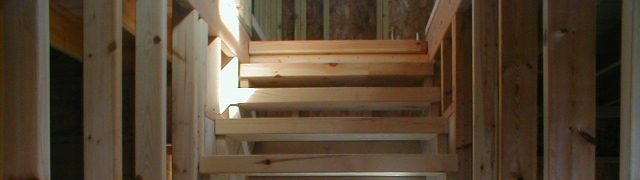
Each of us starts out at the bottom of the stairs. It may seem that some people get to skip a few stairs, but that’s an illusion. We all start at the bottom stair and somehow move in a more-or-less upward direction. The movements are quicker for some than others, and some people stop in the middle.

What is at the top of the stairs? Understanding. Satisfaction. Connection. Order. Arrival.

Vitality revisited

Vitality

The feeling of life in one’s body is an extraordinary feeling. Noticing the feeling of being alive, of being awake, of being vital. Amazing! Yet taken for granted and not appreciated. Too many people focus on pain or discomfort or hurt feelings. Those things exist, but they are minor in comparison to the body’s vitality!

Vitality! This word should always be written in color and in bold—and with an exclamation point! So that people will read it with energy and with desire. Desire to feel the strength of the word deep within the core of one’s being.

V-i-t-a-l-i-t-y! Feel its pull and its launch. Living life in a rich sense of being. Living life with gusto and with verve. Living life with emotion—feeling the fullness of each moment as it passes into the past.

When the blues hit or the bones creak, they take the focus and move miraculous existence to second best. Keep in mind that emotional ebbs and physical challenges are just parts of living—but they are not the main elements. They steal attention from the important aspects of life, and people must be vigilant to not become too immersed in the difficult and unhappy moments.  Health is so multi-faceted that its wonder is often overlooked. Appreciating the wonder of health is imperative to living with vitality!

Overcoming the attention deficit mindset

Post 86--Overcomng A-DPeople who have been categorized as ADD or ADHD or sort of ADD or ADHD or on the verge of ADD or ADHD or growing into ADD or ADHD are in need of balancing:

  • Balancing of physical needs: proper food and water intake, proper sleep, sufficient movement each day, and relaxation of the eyes
  • Balancing of emotional needs
  • Balancing of intellectual needs
  • Balancing of caregivers’ needs

Handling attention deficit designations can cause much work on the part of caregivers (parents and guardians). Caregivers must be aware that their actions towards the A-D designee influence the A-D exhibition. The more balanced the A-D designee, the less symptoms exhibited.

Ways to balance A-D-afflicted people

  • Drink a glass of water upon rising each morning.
  • Eat a proper breakfast before school or work (most breakfast cereals, chocolate milk, and quick snacky foods do not count as proper breakfast foods).
  • Plan movement into every day: walking, dancing, biking, swimming, running, jumping, skipping, etc.
  • Take frequent breaks from TV watching, from lengthy computer and mobile device work and play, and from prolonged viewing of oneself in mirrors.
  • Take part in activities that better other people, the environment, and animals.
  • Take part in housecleaning, home plant care, outdoor home care, etc. Each person should share in these tasks.
  • Observe nature every day, even if there is only a single plant near one’s home. The more nature is observed, the more developed a person’s observation and focus skills.
  • Challenge oneself through reading, puzzles, riddles, learning to play a musical instrument, learning to enjoy something that originally appeared to be boring.

Overcoming the stigma of being A-D afflicted

People who have been classified or sort-of classified as ADD or ADHD should not lower their expectations of themselves. They should see themselves as normal people who need to attend to their body’s conversation. If the body is signaling that it has been sitting too long, it probably has—time to move. They should aim for living in balance and in harmony with their environment.

Changes for all

Everyone who lives in the hustle-bustle of today’s society needs to add more moments of nature into their lives. More deep breathing, more sleep. Better awareness of food intake (less processed stuff) and of physical activity. More focus on building connections with other people and with the society.

Please share this information with people who question the status quo of dealing with attention deficit issues.

One more factor in attention deficit creation

Post 85-one more factor

Babies who are born healthy have the ability to observe and learn as they grow. Once they are socialized, their abilities to observe and learn have been set. Not set in stone, set in motion. The type of motion is the determining factor in learning inability. If the motion is too indulgent, pressured or inconsistent, then negative opinions of self and one’s abilities to focus and absorb are formed. If the motion is accepting, engendering of feelings of responsibility and consistent, then abilities are appreciated and worked. In either case, the ability to learn is there, but the perception of it is altered—positively or negatively.

Of the negative forces, indulgence has become a determining manipulator of people’s ability to work diligently, attempt new tasks and manage disagreeable ones, practice, and maintain a supportive attitude. Indulgence does not require wealth; it requires a caregiver who does not accept that sadness, difficulty, and frustration are normal parts of development. Indulgence leads to requiring immediate gratification and/or feelings of lack. When “attention deficit” is suspected, indulgence must be examined. It is reversible!

Of the positive forces, engendering feelings of responsibility is very important. Children must feel that their contributions are needed. Each small task that a child does in his or her home builds confidence and focus. People want to feel necessary and challenged—these are design features!

More to come…Please share this information with people who question the status quo of dealing with attention deficit issues.

Distractions along the way

Post 82-

Maintaining concentration is made difficult when pressure is felt or goals are not concrete and personally important. When a person is easily distracted (which is most people), small or seemingly important distractions can completely upstage the true goals. On top of that, if a person is a “deficit in attention” labeled person, he or she may accept the easily distractedness as a personality trait rather than work at maintaining concentration.

All people are designed to be distracted; it is a survival technique. People are also designed to concentrate in short segments of time. Prolonged concentration is not to be expected without a price in imbalance in the body. Also, making excuses for lack of ability to concentrate for prolonged periods of time is wasted effort. Of course most people can’t do that; it’s not part of the design.

Rather than label children (or adults) because they can’t sit still or focus on personally unimportant information, parents and caregivers (including teachers) should consider issues such as nutrition, home dynamics, sleep disturbances, lack of sufficient physical movement, interests of the child, intellectual challenges (or lack of), stimulation from too much exposure to technology, lack of stimulation from natural elements (nature, animals, and the seasons), and invisibility (the child feels that he or she is not really seen for who he/she is). All these influences come into play when maintaining concentration is too easily broken.

More to come…Please share this information with people who question the status quo of dealing with attention deficit issues.

Healing attention issues through nature

Post 81-helaing through nature

Mountains
Rolling hills
Roadside scenery
These things
Take for granted
People
People

People,
People
Take for granted
These things:
Roadside scenery
Rolling hills
Mountains

!!!!!!!!!!!!!!!!!!!!!!!!!!!!!

Applications
Social network games
Internet sensations
These things
Too much focus
From.
Distraction!

 Distraction
From
Too much focus
These things:
Internet sensations
Social network games
Applications

@@@@@@@@@@@

“The influences of nature were once the major influences on people. Some people and cultures run their lives around the cycles of nature, but the number of people who are nature-centric lessens with developments in technology. The ways in which people are affected and driven by nature are many. Being cut off from nature contributes to lowered attentiveness which in turn decreases attention capabilities. The connection to flora and fauna significantly 1) broadens and heightens understanding of cycles and fluctuations; 2) develops appreciative and inquisitive capabilities; and 3) causes people to examine and work with vegetation that aid human life and animals that enhance human existence. When people allowed fluctuations of time, season, and life to govern their lives, they developed more attentive skills.”  from the chapter “What is Attention Capability?” in Oneself—Living (soon to be published).

Without a constant connection to nature, the ability to concentrate for extended periods of time is lessened and unappreciated, the ability to focus is shortened, and the ability to be resourceful is lessened. Not for everyone, but for most.

The lessening and shortening of concentration, focus and resourcefulness have led to wide-scale lack-of-attention problems. Occasionally, the problems have additional contributors such as genetic or hereditary deficits or human-inflicted causes (abuse or improper treatment). Lack-of-attention problems have become big business, and the causes are being overlooked, while the symptoms are being treated or over-treated.

The best way to reverse attention lack-of is to rediscover nature!

  • More walks in green areas!
  • More visits to parks and nature areas!
  • More visits to petting zoos and to farms that allow the animals to be touched!
  • More fruit picking and visits to farmers’ markets!
  • More plants and flowers inside the home and more attention to landscaping outside the home!
  • More observation of roadside scenery, of the sky and of the landscape around us!
  • More visits to water: beaches, lakes, rivers and springs!
  • More visits to botanical gardens and other city gardens!
  • More participation in community gardens and garden clubs!
  • More making of mud pies and castles in the sand!
  • More walking barefoot in the grass!
  • More playing of instruments! (Oops-this hint belongs in another post, but it applies here too 🙂

Attention deficits are societal deficits

Post 80-Attention

So many interventions are being forced on people these days for attention deficit issues. Symptoms are being treated, but not the causes. The next few posts on my blog will deal with the causes of attention deficit. If you find this outlook interesting, please forward the posts to other like-minded people.

We’ll start with a quote from Oneself—Living (soon to be published):

“Modern living requires focus on activities that can be dull, rote, repetitive, and constraining. Modern schools, work places, institutions, and organizations require participation in dull, rote, repetitive, and constraining tasks and situations. People were designed for tasks and situations that are ever-changing. Tasks that demand constant focus and lengthy concentration tax the natural nature of humans. Distractions, tempest, whirl, and hurly-burly—those are the situations people respond to…

People—are—designed—for—doing some of this, doing some of that, moving here, then moving there, short bouts of focus, studied execution of required tasks and chosen pursuits—and then sleep to recharge, repair, and function. People cannot hear and digest information delivered perfunctorily nor handle verbal assault nor accept displays of unimaginative and unmeant praise nor decipher dull and sterilized writing nor participate in uninspired presentations nor stay still for too long nor perform religious requirements without proper guidance and inspiration. Doing these things result in attention distraction, anger or enhanced criticism, dulled emotions and responses, and opposition against more than the cause of the opposition…

The creation of societies that reward unnatural behaviors and occupations and punish normal human behavior punish themselves. People force and repress and mold themselves to function within the constraints of the modern societies. They think they are superior when they manage to overcome their natural inclinations for movement and physical expression. People do manage to adjust to their polygonal existences, but their bodies and spirits bear the brunt of the altered requirements…

Assuming that a person has a deficit because he or she cannot stay still or cannot focus on a dull and uninspiring topic reflects badly on society. There are people born with deficits or who acquire deficits through accident or illness, but perceived deficits of people who are unable to force themselves to live within uncompromising regulations are not deficits—they are expressions of frustration or unreleased energy or laziness or despair.”

Tomorrow’s post: Healing attention issues through nature

Whenever boredom exists

Post 79-boredom

Boredom is a result of feelings of entitlement and sadness. A person who feels that he or she deserves to be entertained or to be treated “royally” does not make effort to create amusements or goals for himself or herself. A person, who for whatever reasons feels sadness and is unable to direct his or her reality (entertainment options or pastimes), may call the situation boredom for a lack of understanding of the true cause.

Whether the cause is entitlement or sadness, the resulting boredom adds to the person’s lack of bodily balance (physically, emotionally, intellectually, and spiritually).

Boredome leads to:

  • Reliant reality (reliance on others for things within one’s own realm)
  • Avoidance of handling the true issues
  • Improper behavior
  • Missed opportunities
  • Blame of others
  • Poor performance

What to do when you feel bored

  1. Examine your current reality for entitlement or sadness issues and address them.
  2. You probably need more movement in your life. Walk, dance, swim, bike, juggle—whatever activity lifts your spirits.
  3. You probably need more purpose in your life. Investigate volunteer opportunities in your area and volunteer.
  4. Strive!

When sadness hits

Post 78-Sadness

Sometimes terrible things happen to people. Sometimes young people have serious illnesses that disfigure or damage them. Or weaken them so they die too young. Sometimes natural disasters befall people and they are left homeless, hurt, or confused.  Or orphaned. Sometimes people hurt other people—intentionally or not—so that trauma or death results. Sometimes people damage themselves—intentionally or not.

In all these cases, the survivors and caregivers are required to continue on and live. Not an easy task. Caregivers suffer daily, both physically and emotionally. Survivors suffer too, although differently and in varying degrees of despair, guilt, and shock. Both are in need of support, kindness, and openness to their pain. In other words, a survivor or caregiver needs a quiet  audience (meaning the listeners are quiet) for them to bare their sadness. If the audience is not quiet, the sadness might not dissipate. Quiet and constancy are the qualities of people who are helpful to those who need to give way to the effects of their sadness.

When sadness hits because of the natural order of life (a parent dies in old age), the survivors also require the same quiet and constancy. Sadness is sadness no matter the cause, although extra understanding should be given to the survivors of tragedies.

The person who has suffered the trauma (but not death) needs even more constancy and support. This person must eventually release the hold of the trauma. As described in the book Oneself-Living (soon to be released):

“Negative remembrances require determination and desire to purge them. Negative remembrances that are traumatic are often too difficult to release with-out continuous and relegate-to-a-less-prominent-place focus. Although traumatic events damage the connection to self and the sense of security, a person can remove the vicious side of a trauma so that a normal life can be led. Leading a normal life means focusing on the tasks that are done each day to sustain life: intake of food and water, sleep, interaction with others, and appreciation of the natural environment. Holding on to the tainted memory(ies), or holding back because of self-manufactured fear, prevents purging of the trauma of the event. The trauma must be released.”

Sometimes, terrible things happen to people. Terrible things also happen to the animals that inhabit the Earth. Terrible things happen. Can something be done? Towards the animals, much can be done. Towards people, less can be done. Towards animals, much painful treatment are day-to-day practices that people do to animals for food, clothing, and decorative items. Becoming aware of what is done to animals is the right thing to do. In general, people have less control over the tragedies that happen to people. Nonetheless, awareness of wrongful treatment of people should bring action from people who can affect change.

Sadness is sadness, no matter the cause. Releasing sadness can be done—with patience, with kindness, and with readiness.

I love ME!

Post 75-learning to love I

Post 76-loving oneself

In the book The Gift of Intuitive, Dedicated Comfort, it says:

“…Finding ways to bring joy, love, movement, challenge, acceptance, patience, warmth, and balance should be pursued.”

These goals lead to loving oneself, purposeful living, and calm. These goals are doable. These goals should enable satisfaction in one’s life. Not to a simple or easy life—that is not the goal. The goal is to have the ability to weather whatever comes and to live with vitality and determination.

Each person determines the way to these goals. There are no exact directions for everyone. In general, smiling often is better than frowning and lifts one’s spirits. Remember to smile.

Moving can bring change—not moving to a new location—no! moving one’s body! Often, especially in dance or out in nature. A treadmill is fine, but a walk in nature is better. Moving in a group is very invigorating—in a dance class or exercise group or on a hike or in the water. Group dynamics can increase the mood benefits. But a group is not required to move. Taking computer breaks OFTEN and stretching—very important! Encouraging others to move –important too. In the book, Pond a Connected Existence, the human need for movement is number 5! Remember to move.

Balance can seem like an illusive goal, but it is not if you are open to balancing ALL the components of health—physical, emotional, intellectual, and spiritual. Being open is better than being determined to oppose. So much occurs that is not in our realm of understanding; why expect to understand everything? Balance through eating healthfully, working through negative emotions, challenging the intellect, and opening to spiritual possibilities.

And yes—being patient. Not an easy thing to be in our instant gratification society. Working towards a goal takes time, dedication, perseverance, and time. And more time. And more perseverance and time. And being prepared.

“Being prepared means readying for whatever—whatever happens, whatever doesn’t happen, whatever presents itself for opportunity or for disaster.” from Oneself—Living (soon to be published).

Self-love is possible!