A Balanced Approach to Wellness!

Posts tagged ‘life’

Causes of expiring too soon

 

Expiration date

Recently, a person died who I didn’t personally know, but many people I know knew him. He was only 48-years-old and he died of a heart attack. This event has prompted me to revisit the post “The forty contributors to ill health and to possible…” https://energy-guidance-complete.com/2014/06/05/the-forty-contributors-to-ill-health-and-to-possible/

Sleep deprivation is number 2 on the list. Number 2! Sleeping too little is fatal! Sleeping too little clouds judgment, exaggerates emotional reactions, and causes accidents. Sleeping too little deprives the body of the time it needs to rejuvenate and repair. Sleeping too little, when combined with other factors, negates healthy aspects of living (proper diet and exercise). Sleep deprivation needn’t be, because each person can know his or her sleep needs by paying attention to the body.

Insufficient regular movement of the body is number 5 on the list. Number 5! A bit of exercise here and there is not enough. Our bodies were designed to move—often.

Chronic insufficient consumption of water is number 8 on the list. Lack of regular hydration taxes the body and increases illness possibility.

Suppression of negative emotions (worry, fear, and anguish) is number 12 on the list. Having any of these negative emotions is number 11 on the list, but suppressing these emotions is almost as bad. Feeling negative emotions is normal, but when they are constant companions they tax the body and increase illness possibility.

Feelings of devaluing others: number 39 on the list. Thirty-nine might not seem high, but when combined with other factors, can lead to an expiration date that is too soon. Negative feelings about others boomerang and cause lowered resistance to illness and disease.

Too soon is preventable, but it is more than eating certain foods and not eating “bad” foods. To understand the way to live a long and healthy life, look at the list of 40 and live oppositely to all 40. It is never too soon to change direction!
Waiting

(This post is for Debbie, who is waiting with her beloved mother.)

Life causes us to wait—impatiently sometimes, agonizingly sometimes.

When a loved one is struggling to overcome illness or pain, the waiting is impatient for the sufferer and for the loving observer.

When a loved one is moving towards death, the waiting loosens. The sufferer who is prepared to leave life releases expectations and waits expectantly. The person who loves the sufferer waits with unrealistic expectations for not-finality, with hope for not-finality, even with desire for continuous suffering, just not finality.  Sometimes this person is able to understand that the sufferer is ready to move on, and so the waiting lengthens into fluctuating time: fluctuating between time that passes agonizingly so and time that passes hurriedly bringing death on.

Throughout life there are moments of anticipation and of dread, moments of stillness and of movement, and moments of acting and of waiting.

Waiting is eased when it is shared with others who care.

What happens when life is lived elsely

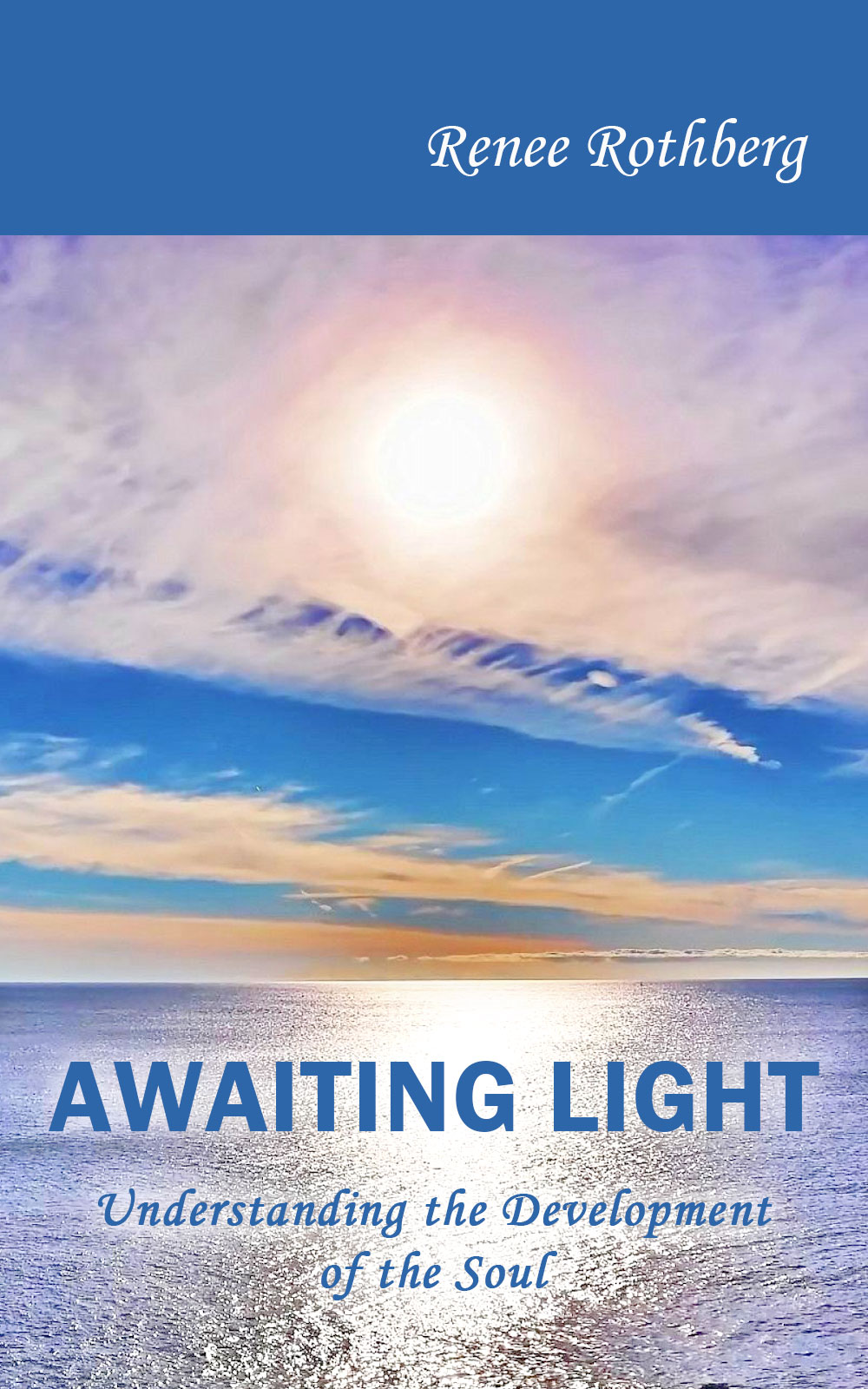
Awaiting Light

elsely: 1. Not authentic  2. Not according to design

Each person receives a soul when born, and this soul dictates direction and clarity. As described in Awaiting Light—Understanding the Development of the Soul:

“The soul determines personality, the types of things that draw our interest and attention, our pace in absorbing information and performing activities, our pull towards certain times of the day and seasons, our comfort with temperature and weather variations/frequencies, our moods and mood over-all, our intuition, and our drive to live. The soul affects health and well-being, and generally works to keep the body in balance.”

When we live soulfully, we feel our needs and direction and we live authentically. When we live according to someone else’s idea of how we should live or according to our misinterpretation of how we should live, we are living elsely.

Elsely leads to unsureness, illness, frustration, mediocrity, and regret. Living an untrue-to-oneself life affects one’s partner, children, friends, and associates. Living elsely creates a life that is manageable, but lacking. Living elsely creates a life that is half-full.

To know oneself is not easy. Unintentional negative influence by caregivers causes people to veer from their true path. Societal expectations cause people to question their ideas and actions.

By understanding one’s soulful being, life can be lived fully and with satisfaction. Reading the book Awaiting Light is a first step towards understanding the makeup of the soul and examining personal traits and desires. Awaiting Light is available through amazon.com and its global distributors.

“The path to understanding is through openness to wonder and willingness to imagine. This book is written so that all can know that their actions matter and that their personalities and sensitivities have reasons for being so. Having this information assists in raising children to be their real selves and encourages adults to understand their natural interests and societally created pursuits. Having this information leads to accepting each person as he or she is, which brings balance and elevation of all.”

The importance of friendships

(taken from my article of the same name on Relationship.Answers.com  )

Friendship

A woman I know recently celebrated her birthday unhappily. Her personal celebration was doing nothing except watching reruns of TV shows and eating cookies—alone. Her Facebook page had numerous birthday wishes, which made her feel remembered—sort of. Her family is scattered, so her family celebration was minor.

Birthday celebrations are not the topic. The point about this woman’s birthday is that she has not built friendships that sustain her, so when her birthday rolls around, she doesn’t have friends to join her celebration. Other times in the year, she also feels the lack of camaraderie.

This post explores facets of friend-investment.

Family togetherness

Friends and family can be one and the same. People who are close to their family members usually rely on them for celebrations, assistance, and friendship. A family that has nurtured caring communication is the support ensuring consistent company and connection. Distance does not sever the bonds formed between loving family members, and today’s modes of communication enrich and enable support from afar.

Friends from convenience

School, work, shared-interest groups, shared distressing incidents or traumas. These places and events provide opportunities to meet friends for life or to experience the moments in unison for a defined period of time. Friends for life are possible when both parties invest relatively equally in the relationship. Short-term friends also require investment, but they lack the ingredient of heartfelt fondness that long-term friendship requires. Enjoying people for the short term is worth the effort, and should not be avoided.

Trusted friends

People need friends to help them live. Living is not possible without companionship. Even people who eschew human contact require friends in some form, be it an animal or a plant.

The need for friends is a design issue. People were designed to desire company. People were designed to share experiences, thoughts, and emotions.  People were designed to bond and to care. Ill treatment by caregivers or other trusted community members can damage bonding and caring, but the design is the design.

Sharing thoughts and emotions requires feelings of security and trust. A friend who is trustworthy is friendship real. Trustworthiness is not uncommon; most people can be trustworthy. What is required is finding friends who value each other. Valuing one another leads to long-term relationships and to support that is dependable.

Partner as friend

Friendship does not require cohabitation or feelings of desire. Pairing with another does require living together and desiring each other. Being in a relationship with another person is similar to friendship, but differs because of sexual attraction and expectations. A partner who fulfills the requirements of a friend is valuable. Being a partner and a friend is sometimes contradictory although not impossible. The requirement for this relationship is motivation: motivation to support, appreciate, accommodate, and accept.

Having a partner who is friend-worthy does not reduce the need for other friends. A friend-worthy partner is fortunate, but the twists and turns of life can undo the partnership, and friends outside the partnership are necessary for long-term support.

Summary

“Investing in friendships and giving and taking from friends is nourishing. Investing in relationships is natural and is needed to live a balanced life. Investing in family—children, children’s children, siblings, cousins, and so on builds a network of support that is reliable.” …from Oneself–Living.

Balancing the balancing—the intertwined design of life

balance

(taken from my article of the same name on Healing.Answers.com )

“The design of the body is just exact and nearly as beautiful as the most beautiful object. Being brilliantly designed and executed, the body accompanies its inhabitant throughout the body’s existence. Beautiful in motion, in repose, in its beginning and in its ending, ….”  from the chapter “Connection of the Four Components of Health” in Pond a Connected Existence.

“Being brilliantly designed and executed” is the description of the human body. This description refers not only to the physical component of the body, but also to the nonphysical components—the emotional, intellectual, and spiritual components. The body is a complex interconnected creation that demands balance of all the components to be truly itself. Balance is the key to life as designed.

What does it mean to live in balance?

Achieving balance is important to living well. Living well does not mean being prosperous or famous. Living well means living with purpose and with vitality, with awareness of the rhythms of the world, and with connections. Connections to other people, to the environment, to other creatures, to spiritual presence, and to oneself.

Knowing how to live within the constraints of the human body while enabling it to thrive permits the growth and development of a balanced being. Knowing how to give and take love, kindness, and support permits the widening of the emotions and the strengthening of the body. Knowing how to take interest in the world around and in its inhabitants permits the development of the intellect, the development of the emotions, and the versatility of the body. Knowing how to open to spiritual presence enables the relaxing of the spirit, which then relaxes the intellect, emotions, and body. Spirit—mind—emotions—body; all connected, all the time.

What is the first step towards balance?

The first step to bringing balance to the whole composition that is a person is to accept the intertwined design of life. It is important to understand that each decision, each movement, and each interaction affects the connected body in each of the components. By living as a connected human being—connected to oneself and to one’s interconnected composition and connected to all that is around (the environment, other people, the many creatures), a person can thrive and shine in a life well lived.

What is the second step towards balance?

The second step to bringing balance is to create realistic goals that achieve purposeful living. Here are three examples of steps to purposeful living:

  1. Creating warm and lasting relationships with family members and chosen friends balance all four components of health. This balancing goal can be achieved by scheduling time for visits with, calls to, and fun adventures with family and friends.
  2. Avoiding intentional damage to the environment balances the components of health. Thinking of ways to individually create less havoc in the world—less use of disposables, less reliance on animal products, etc.—balances the intellectual and emotional components of health. Following through and doing these things balances all four components of health.
  3. Avoiding intentional damage to our own selves balances the components of health. This step is not easy, but is necessary for balancing. Examining one’s lifestyle, choices, and activities balances the intellectual and emotional components of health. Following through and making changes balances all four components of health.

A simple way to bring balance

One way to balance yourself is to feel the weather. Rather than rush out of the rain, walk in it and feel the raindrops. Rather than avoid the cold weather, dress appropriately but let yourself shiver and notice your body’s shivering. During the hot months, let your body feel the heat and let it sweat.

Conclusion

By taking steps to connect with ourselves and with our situation (our surroundings, our society, and our ability to bring change), we can create meaningful and well-lived lives!

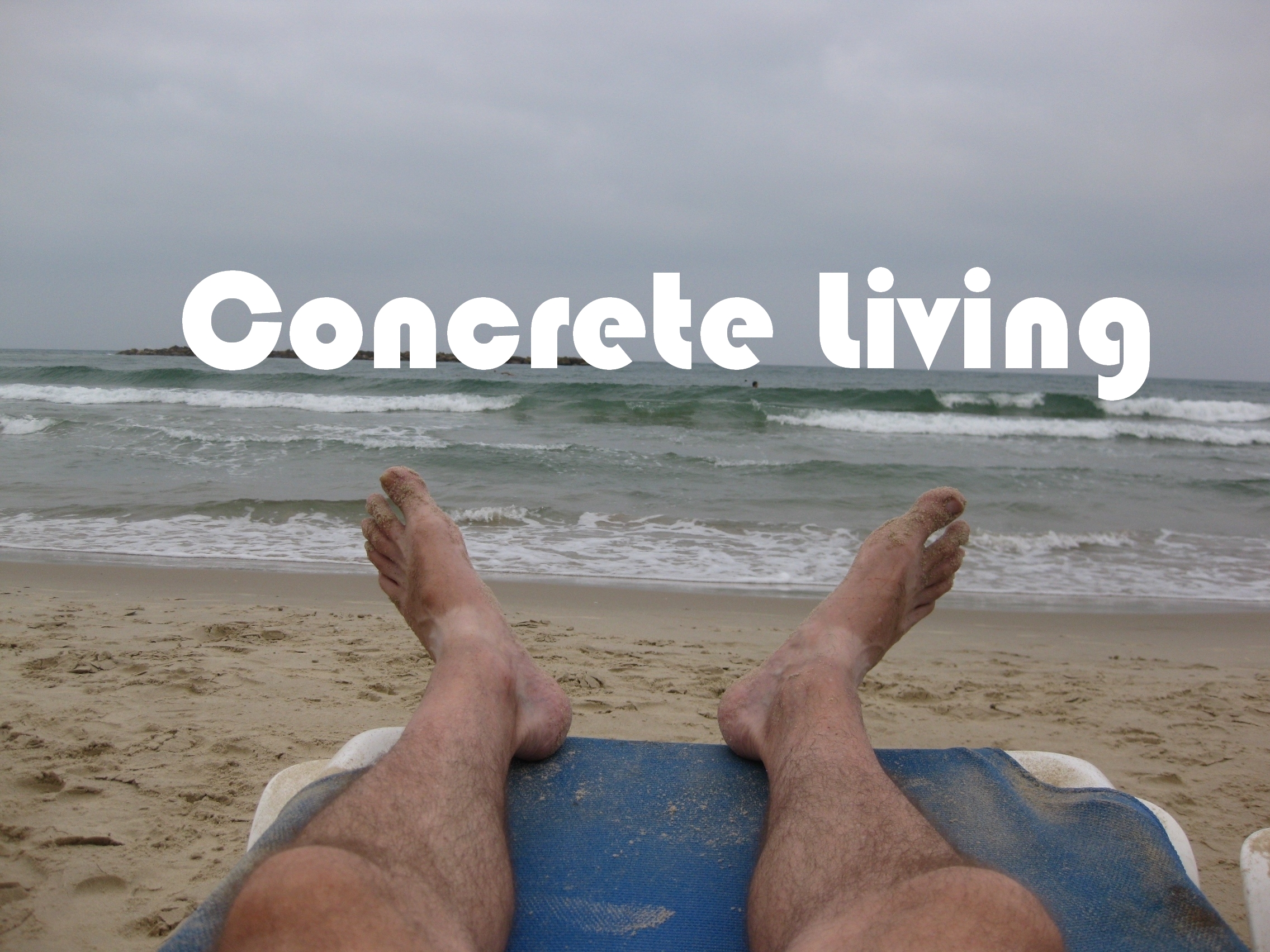
Concrete Living


Concrete Living

From the chapter “Concrete Living” in Oneself—Living:

“The sky is ever changing. The weeds are ever growing. The sand is ever shifting. The bugs are ever multiplying. Natural elements always change, grow (from beginning to end), shift, and/or multiply. The natural order is just so.

People too are ever changing, growing, shifting, and multiplying. The natural order is just so. The body changes, takes in, lets out, grows up, withers away, builds, processes, and moves.

Life is not concrete; life is fluid. The flow may be slow, but stagnated it is not. Life jerks, life cruises and glides, life putt-putts, life sails, and life decelerates. Movement is always linear, from start to finish. Linear in development, multifaceted in development possibilities. The body is born, lives, and dies. The living is huge…or can be…or should be….

… Planning: making plans, long-term or not, short-term or notconcrete living.

Spontaneous actions: last-minute get-togethers or get-goingsconcrete living.

Laughing, smiling, wide-eyed appreciation, willingness to errconcrete living.

Concrete living: living with gusto and with verve, with awareness of an ending and with awareness of possibility, with thankfulness and with generosity.”

Convincing-ness

Convincing

Causes of being convinced

  • Definitive. They say things with conviction so their information must be true.
  • Uncertainty. We don’t really know, so “experts” can determine what we think.
  • Guaranteed. For example: This diet is guaranteed to lower weight; or lower fondness for sweets, saltiness, or chewiness; or lower desire for too-much a a favorite security meal; or decrease bloating and effects of aging; or other desired outcomes.
  • Power. Power builds influence when influence is desired. The force of the influence and the force of the influenced can create ideas that are convincing and are adopted.

Parts of convincing-ness

Convincing-ness requires two parts: willingness and motivation. Those who convince must have motivation (monetary incentives, desire for power, desire for betterment of society or of the environment or of others) and willingness to risk.

When the information being presented is untrue, those who agree to believe the information presented to them must be willing to overlook innate feelings of truth and must be motivated to forego self-censorship. When the information being presented is truthful, it still requires convincing others to believe it and they must be willing and motivated to digest and reuse the information.

Ways in which we are convinced

  • Something appears in print and we’re convinced.
  • We hear a factoid and we think it’s true.
  • A well-known personality endorses a product and we think it’s worth buying.
  • Fascinating speakers convince us that they speak accurately or that they speak for us or that they speak wisely or that they can lead us towards salvation.
  • The truth is difficult so we let ourselves be convinced that it is not so.

Truthfulness

Today’s world is too complex for each person to learn all one can know about the happenings close and far and to know about all the available choices and technologies. Experts are helpful for deciphering the complexities, but most are giving educated opinions, and that fact must be remembered.

Before latching on to the latest study results or pronouncement by a well-known personality, check the motivation of the source and let the information hover close, but not too close, while you decide whether or not it meets your inner sense of truthfulness.

Recycling–Disposable enticement, once again

Disposables

I’ve just returned from an event where plastic was plentiful. In honor of that event, let’s take another look at an earlier post.

——————————–

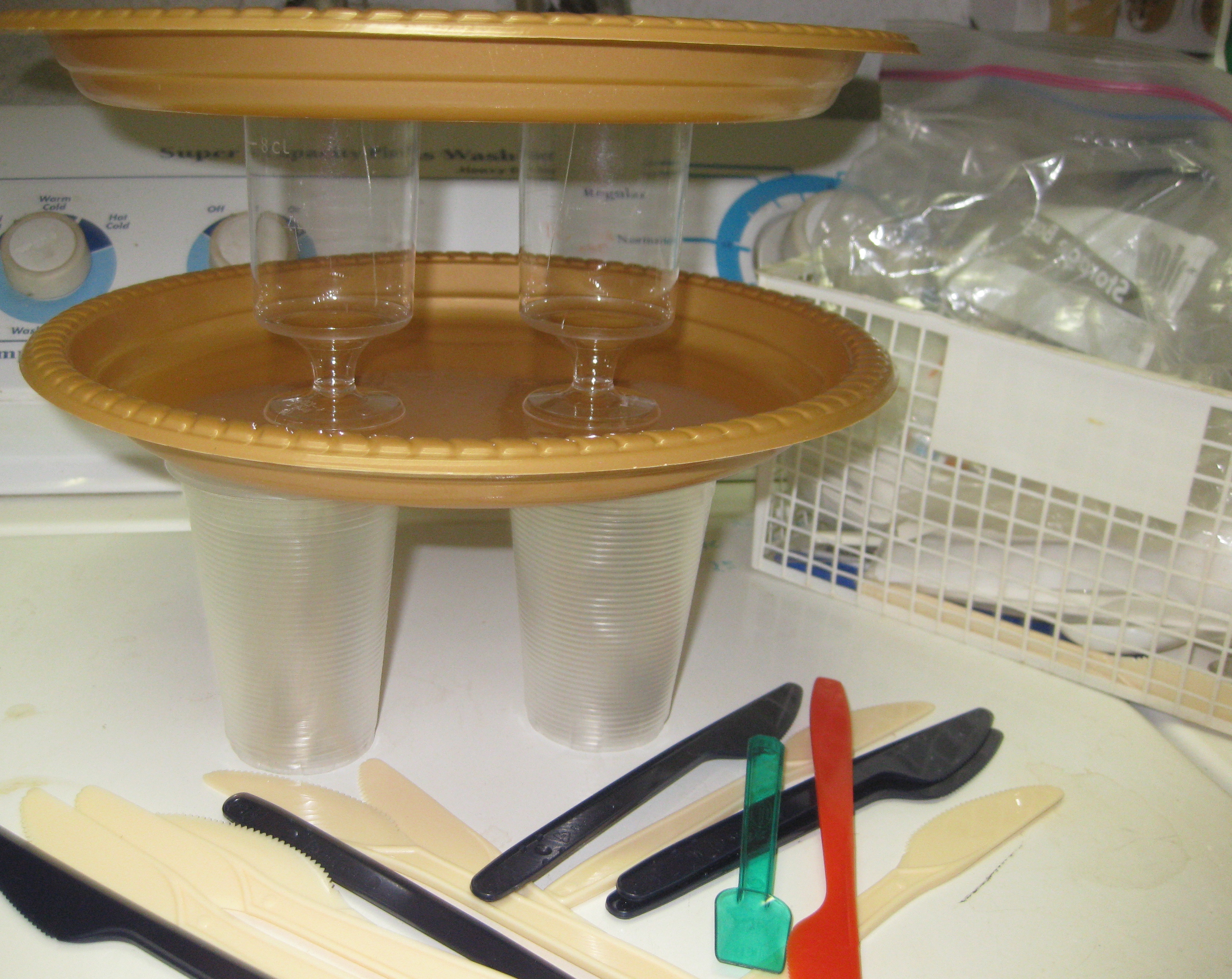
So enticing to trade needs-washing with just-throw-it-away. Disposables, especially those made from plastic, are wasteful and should be used in limited quantities. People have an obligation to maintain the environment. Here’s what to do:

  1. If you are planning an event, aim to use real rather than disposable.
  2. Never use Styrofoam cups, bowls, and plates.
  3. If you attend a regular function where disposables are used, bring your own cup, utensils, etc. so that you are contributing less to the waste.
  4. If you buy ready-made foods and drinks, pay attention to the wrapping and avoid foods and drinks that were packaged too much.
  5. Favor environmentally friendly products over plastic products.
  6. (If you have other ideas, please add in the comments.)

Enough drawers


Drawers

Drawers are useful for organizing life. They can hold cherished memories and long-forgotten mementos. They can hold jewelry and other valuable possessions. They can hide away secret items and reveal longed-for desires. They group, separate, and categorize. Drawers are versatile!

Intangible drawers

Intangible drawers are also useful for organizing life. Intangible drawers are available to all, but are known to few. They can be accessed by understanding that life can be compartmentalized, manipulated, and organized. People who are aware of drawer-availability are prepared ebb-and-flow-wise.

Drawer-strategy is a useful tool for people who have experienced events that were fear-inducing, sad, or overpowering (positively or negatively). By placing the events in separate drawers, a person can move their impact to less so. The events are not removed from memory, because a drawer can be opened and its contents examined. By placing the events in separate drawers, a person can choose to lessen the impact of events that trouble.

Each person who uses intangible drawers has an individualized method for opening and closing them. Here are several ideas for working with intangible drawers:

  • When an unpleasant event occurs—large or small—consciously decide that it will not overwhelm you and create an intangible drawer for it. Place the event in the drawer, and then shut it. If you find yourself thinking about this event, remind yourself that you put it away and can only think about it if you open the drawer.
  • During a restful time, think about an actual structure that can contain facets of your life. The structure can be any shape that works for your life. When you go through your regular routines, picture them being organized in your structure. When events occur that overwhelm, let them into your organizational structure.
  • If visualization is difficult, think of a cave that is not scary. Unpleasant events can be thrown into the cave and pleasant events can stay towards the front. When the need arises to think about a past event, let the cave send the memory out.

Drawer-strategy can calm emotions and can expand to encompass whatever happens that causes emotional imbalance. There are enough drawers to help through any situation.

The power of rabbit entertainment

collage

Entertainment is a normal part of living. People love to be entertained and to entertain. Entertainment can come from many sources.

Entertainment can be catered by the environment: beautiful displays of scenic glory; seasonal changes that bring captivating sights and physical pleasures; water in many forms—crashing waves, churning flows, frozen formations, and enchanting and mystifying rain; vegetation that pleases the eye and delights the palate; possibility of personal discovery; and more.

Entertainment can come from other inhabitants of the world: soaring birds, energetic monkeys, interesting giraffes, poised flamingos, butterflies in flight, entrancing fish, frolicking rabbits. Domesticated animals bring joy and wonder to those who care for them conscientiously.

Entertainment that is most entertaining is the entertainment provided by people. Musical performances, artistic works, dances, stories presented on paper and through performances, riddles and jokes, mime and magic, gatherings, cultural differences, religious expressions, celebrations. Less entertaining are jokes at the expense of others, ridicule, and forced participation in unpleasant endeavors (such as pornography, cruelty to animals, and dares).

In The Gift of Intuitive, Dedicated Comfort, connection with other people is explained, including the importance of entertainment:

“Entertainment is an interesting aspect of connection to other people. People find other people fascinating. The achievements of others are fascinating; the choices of others are fascinating; the habits and rituals are fascinating; the thoughts and ideas are fascinating. In addition, the bad or difficult or sorrowful events that befall people are also interesting. In general, people never tire of observing the antics of others, which is fine, because we are designed to find others entertaining.”

No matter one’s circumstances, entertainment can be found in many facets of life. One has just to be open to the wonders of life!

Fullness

Fullness

What is fullness? I thought I feel it almost every time I eat, but Spiritual Presence informs me that I don’t feel it enough.

What fullness am I learning about?

The fullness one feels when seeing a dear, loved one. The fullness one feels when looking back upon one’s actions and being satisfied. The fullness one feels when letting the awesomeness of nature completely overwhelm. The fullness one feels when working with others to improve everyone’s surroundings. The fullness one feels when the amazingness of weather is experienced. The fullness one feels when welcoming a new life into one’s home or community.

Fullness is a sense of comfort, of appreciation, and of understanding. Fullness is satisfaction. Opening to self-contentedness is fullness.

The fullness we feel when we eat a sustaining, nutritious meal is this type of fullness.

Connection!

High heel fascination


Shoes

High heels were a part of my shoeware when I was in high school and university. I liked them and liked how they made me look, but I didn’t like how they made me feel. I wore them until I saw an exposé about the women’s shoe industry by Ralph Nader. From that moment, I chucked my high heels and learned to be satisfied with less fascinating shoes.

Recently my daughter swore off heels and she offered me a pair that I bought her a few years ago. They aren’t spike-heeled, but they do have a generous slope. I tried them on, and even took my dog for a walk wearing them to see how I could manage in them. I felt discomfort, and decided to ask Spiritual Presence about them. (Yes I know this is a trivial topic, but high heels are part of our reality so I can ask.)

Here is the information I received:

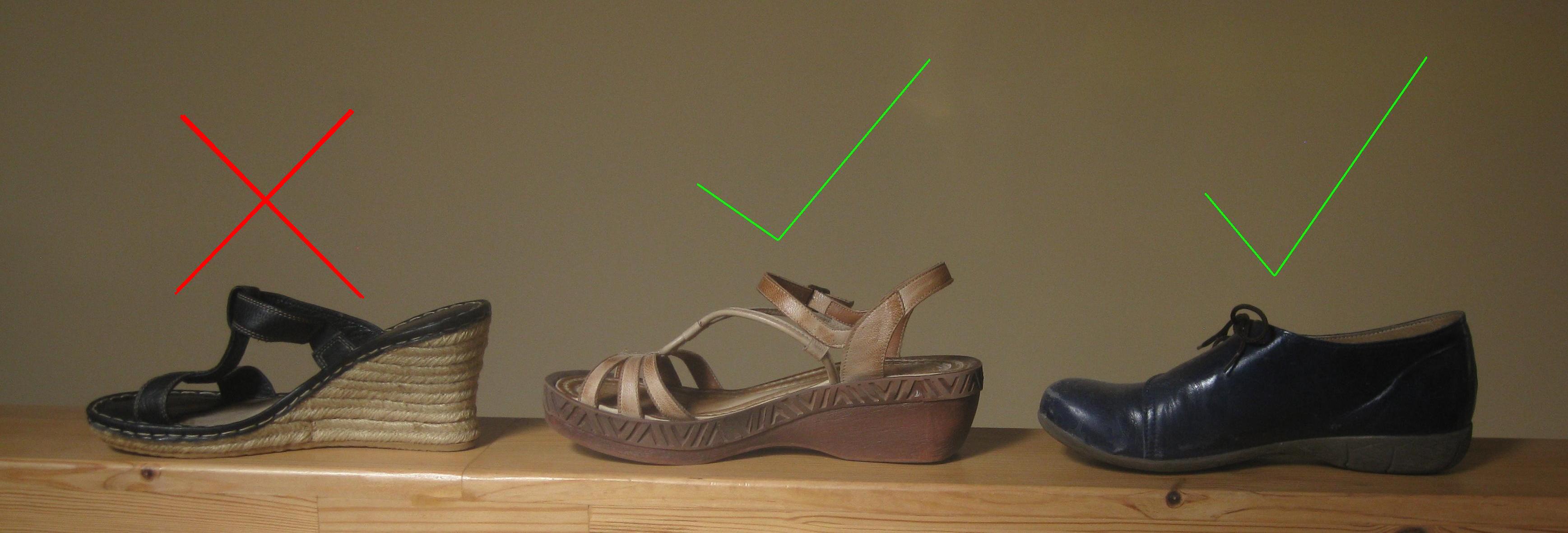
High heels are destructive to the body. They hurt the feet, they affect the L4 and L5 vertebras of the lower back, they affect the lungs and breathing, they interfere with the functioning of the large intestine, and they skew perception of the body. Slow changes occur when high heels are worn constantly.

People can handle different shoe heights, but here are general rules. If the back of the shoe is 6 cm (2.36”) higher than the front of the shoe, damage will be caused to the body. Even if the shoe is worn for an hour! If the back of the shoe is 5 cm (2”) higher than the front of the shoe, damage will be less but will still occur. Even a 4 cm (1.58”) difference can cause damage, but only if the height difference is continuous; in other words, shoes with this height difference are worn day after day. Under 4 cm can cause problems, but less often. If the heels on shoes with a less-than 4 cm (1.58”) difference are too spiky or are ergonomically ill-placed, then damage to the body can occur.

High heels need to be rethought. More appreciation for the natural shape of the feet and legs and less desire for unnatural presentation.

Guidance for the Journey

Journey sign

“The journey through life is a series of starts and stops, U-turns and wrong turns, ups and downs, unobstructed paths and no entry areas, straight and obvious routes and winding and precarious backstreets, unpredictable events and constant rhythms. The journey through life is perceived as difficult, or difficult and interesting, or difficult and unfair, or difficult and deserved, or difficult and surmountable, or difficult and this-or-that. The journey through life is varied in length; a short life is mourned and a long life is accepted. The journey through life is similar for all in that it starts with a breath and ends with a gasp (except in cases of sudden unnatural death).”
…from Oneself—Living

We all enter life with stumbling blocks in front of us. Some stumbling blocks are more difficult to pass and some stop us completely. The journey is meant to be trial-and-tribulation full, not smooth-sailing-the-whole-way. The idea that life is supposed to be easy is a marketing ploy that cripples and weakens us. Life is not a laundry detergent commercial with all the stains coming out, clean as new. Life is complex! Yes it is, and the more we prepare for complexity, the more we can exalt in the journey.

Here is guidance for the journey:

  • Learn to breathe properly and variedly. Knowing how to breathe through the changes in life will help you stay focused and well.
  • Develop your senses. Use your eyes to study the world. Use your nose to create memories. Use your ears to connect with animals and plants. Use your mouth to nourish your body. Use your hands to create. Use your bodily awareness to connect with other people.
  • Know yourself. Know the things that draw you to them and the things that repel. Know your temperament and accept it. Know your abilities and your drive. The more you know yourself, and live accordingly, the more you can live truthfully.

“After a life is over, a new life will one day come. A different body and a varied soul that will live life anew. Each incarnation with its challenges and successes-defeats. Each incarnation with its relationship groups changed yet revisited. Each incarnation in the continuous cycle of life-death-life-death-life-death-life-death-life.”
from Awaiting Light

Review of the tests for maintaining health

Health

The last seven posts presented the tests that should be performed regularly to improve and sustain health. These tests require thought and desire to live purposefully. These tests monitor all aspects of health: physical health and sustenance of the body, emotional health, intellectual input, and connectedness to the world beyond our personal territory. These tests prevent a life lived partially, if we are careful to live with the understanding of our impact on the world.

“Knowing what to do to keep healthy is basic required knowledge. Knowing what to eat or how much to drink to stay hydrated are the most obvious keys to good health. Understanding the need and frequency of sleep is required as well. Health is not the villain to be battled or feared; health is the means to meaningful living and ultimate satisfaction with one’s life.” …from Pond a Connected Existence

The better the health, the more we can focus on life outside ourselves. Letting go of overemphasis on food or self or possessions or appearance can free us to be focused on real issues. Eating too much or too little or improperly are wasteful endeavors. Trying to do everything alone or holding back from taking part in society are against our design. Coveting or buying too many possessions hurt us emotionally and hurt the environment. Caring more for how we look than how we treat others is simply mistaken behavior.

If you haven’t yet looked at the tests, take a look now and consider the questions thoughtfully. Each of us impacts our society and beyond our society so much more than we realize. And our impact comes back around and affects our health—for better or worse.

Wishing you amazing test results!

Renee

treble_staff

The basic tests for maintaining health, Test #7

treble_staff

The post “Monitoring Health” (https://energy-guidance-complete.com/2014/08/24/monitoring-health/) brings awareness of the seven tests that should be performed in order to evaluate health.

Look at your “I deserve it”s and your excuses and your complaints and your excesses, and consider how they prevent a life lived fully. A life lived fully is thankfulness & gratitude and appreciation & hope and kindness & patience and focus & striving and gusto & vitality.

Here is Test #7.

Test #7: Full engagement in life

This test reveals the fullness of your life—if you are attentive to the possibilities and gifts that are within your grasp.

For this test, there are colors and circumstances that can be used to “color” the possibilities:

*blue    *life     *raspberry     *green     *brown     *purple     *shadow    

Consider which color(s) or circumstance(s) match your attitude. More than one color can be used on a line.

  • my place in the world
  • contemplation about my death
  • body-soul connection
  • my hidden skills
  • my choices that I didn’t make (someone else made them and I went along)

After you have selected the colors/circumstances, think about why you selected them and what they mean.

Living with awareness of your gifts and the possibilities to use them is good for your health!

Post 132-breathe-in unison


The basic tests for maintaining health, Test #6

treble_staff

The post “Monitoring Health” (https://energy-guidance-complete.com/2014/08/24/monitoring-health/) brings awareness of the seven tests that should be performed in order to evaluate health.

Focusing on foods that are bereft of nutritional value or are lacking in the aspects that naturally gratify (for example, fat-free foods) undermine physical, emotional, and intellectual health. Choosing to eat based on criteria not related to sustenance of the body has evolved. As stated in Vitality!— How to Create a Life That Is Healthy:

“Eating for the sake of keeping the body alive is not a part of life for most people living in modern society. Eating for the sake of the enjoyment of the food is modern society’s take on food. The enjoyment, not the life-giving aspect, is the focus.”

Here is Test #6.

Test #6: Consumption of nutritious and satisfying foods

Here are questions for the basic test:

  1. Potato vs. french fries
    The potato, baked or mashed (not from instant mashed potatoes and not with an overabundance of butter and milk), is the healthier choice.
    Which one do you choose more often? Which one is better for your body?
    (This question does not apply to people who have a medical allergy to potatoes.)
  2. Seasonal fruit platter vs. fruit cocktail dessert
    Seasonal applies to fruits that are in season in your location. Fruit cocktail applies to fruit in a can. Seasonal also applies to fresh fruit, preferably not waxed.
    Which one do you choose more often? Which one is better for your body?
  3. Roasted chicken vs. chicken smothered in a creamy sauce
    The non-meat version: pasta with a vegetable-rich sauce vs. macaroni and cheese
    Which one do you choose more often? Which one is better for your body?
  4. Tilapia vs. salmon
    Tilapia is an abundant fish; salmon is over-eaten and is endangered in some areas. In general, seafood such as tilapia, catfish, herring, oysters, sole, shrimp, and trout can be eaten up to three times a week total. Seafood that should be eaten less are salmon, Chilean sea bass, clams, cod, crab, crayfish, flounder, haddock, halibut, lobster, mackerel, mullet, mussels, octopus, perch, prawns, sea urchin, skate, snapper, squid, and tuna. Sardines aren’t in either grouping and can be eaten up to twice a week (in place of another fish serving). These groupings are based on environmental issues. At this point in time, consumption of mahi-mahi and whale should be limited to almost none. The debate over farmed or wild salmon is discussed here: https://energy-guidance-complete.com/2014/03/06/to-eat-farmed-salmon-or-not/
    Which fish do you choose more often? Can you do with less? Can you consider the environment when making choices about nourishing your body?
  5. Carbonated beverages, decaffeinated beverages, beverages that are referred to as energy drinks
    These beverages have been presented to us as better than water for quenching our thirst and giving us energy and vitality. Do you believe that is true?
    Which would you rather have to drink—a drink that fits into one of these three categories or water? Which drink do you think your body would rather have?

    There are many more questions; however, these five are a good beginning. Consider your answers and then consider the significance of each question.

    Eating wisely is good for your health!

Post 100-foods


The basic tests for maintaining health, Test #5

treble_staff

The post “Monitoring Health” (https://energy-guidance-complete.com/2014/08/24/monitoring-health/) brings awareness of the seven tests that should be performed in order to evaluate health.

“People—are—designed—for—doing some of this, doing some of that, moving here, then moving there,…” from Oneself—Living.

Sitting still for extended periods of time was not part of the design. Nor was letting inanimate objects do the work for us. Life has greatly changed for people, but the basic design has not. Rather than ditch the vacuum cleaner and return to the tree-branch broom, people must add movement into their lives that is nourishing, that exercises the body, and that is challenging.

Here is Test #5.

Test #5: Physicality

  1.  If you sit for longer than 50 minutes, do you change position or do a different activity?
    (Sitting for longer than 50 minutes without standing or stretching while sitting is taxing for the body.)
  2. Do you stretch your body when you wake up from sleeping? Even after short naps?
    (The body requires movement after sleep—the entire body!)
  3. When you visualize yourself, do you picture a person who is inconsistent about exercising, is good about exercising with a group but negligent when at home, is in need of someone to make you exercise, is physically fit, or is too focused on physical appearance?
  4. What is your attitude about movement off the ground (biking, skating, surfing, skiing, etc.) What is your attitude about movements on the ground (yoga, sit-ups, push-ups, etc.)? What is your attitude about swimming and walking? What is your attitude about dancing and kicking/hitting a ball?

Allowing your body to move frequently is good for your health!

Huff n puff exercise


The basic tests for maintaining health, Test #4

treble_staff

The post “Monitoring Health” (https://energy-guidance-complete.com/2014/08/24/monitoring-health/) brings awareness of the seven tests that should be performed in order to evaluate health.

Here is Test #4.

Test #4: Rhythmic breathing

“The more varied the breathing, the less chance for illness to set in..” -from the post “Aging is manageable when done properly” (https://energy-guidance-complete.com/2014/05/12/aging-is-manageable-when-done-properly/).

The importance of breathing cannot be overstated. Not only does breathing sustain us in life, but it sustains us in good health. Breathing that is appropriate for the activities we do is necessary for the body to refresh itself.

For this test, use the following descriptive words to describe how you breathe during the activities presented in the list:

*tight    *quick     *neutral     *deep

1 working/concentrating at the computer or smartphone

2 singing/playing an instrument/talking

3 reading/cooking

4 moving briskly through exercise, sport, rhythmic movement, work, or walking

5 laughing/talking with friends/playing with grandchildren, children, young siblings, or young children in one’s charge

For each of the activities that you do, pay attention to your breathing.

  • In general, tight breathing is reserved for tense emotions. If your breathing feels tight at other times, you should consciously relax more often.
  • In general, quick breathing occurs during brisk movements. Out-of-breath during brisk movements can be a sign of too little water in the body, too much movement at the current time, or illness.
  • Neutral breathing is appropriate for most activities. It is not the right rhythm for brisk movements or moments of deep focus.
  • Deep breathing requires conscious effort until it becomes habitual. Deep breathing is the most cleansing and strengthening of all the types of breathing, but is not necessary during brisk movements. Deep breathing strengthens the organs, flows, and spirit.

Allowing your body to breathe deeply and variedly is good for your health!

Sequoia2

The basic tests for maintaining health, Test #3

treble_staff

The post “Monitoring Health” (https://energy-guidance-complete.com/2014/08/24/monitoring-health/) brings awareness of the tests that should be performed in order to evaluate health.

Here is Test #3.

Test #3: Attention to self-needs

Ignoring one’s needs damages all the aspects of balanced health (physical, emotional, intellectual, and spiritual). This area does not mean self-centeredness. It means self-support.

When we fly, we are told to put on our oxygen mask before we put the mask on any dependent that is traveling with us. First we take care of ourselves so that we can help others. The same applies to our well-being. We must take care of ourselves so that we can help others.

Here are the questions for the basic test:

  1. Sleep: I schedule the appropriate amount of time for sleep each day. Yes/No
    (for people with young children, this can mean sleeping when they are napping)
  2. Relationships: I schedule time to be with people who are special to me. Yes/No
  3. Nutrition: I eat foods that satisfy my hunger for nutrition (eating to satisfy emotional issues is a No) Yes/No
  4. Movement: I schedule time for moving my body—exercise, dancing, walking, swimming, biking, team sport, etc. Yes/No

There are additional questions; however, these four are a good beginning. Consider your answers and then consider the meaning of each question.

Being sensitive to your needs is good for your health!

Hearts


Awe-tism

autism

Note: The source of the information provided here is divine inspiration. The information has not been scientifically verified.

Those who study the phenomenon of autism are confused and unsure. Those who live with people that present autistic characteristics are determined, overwhelmed, searching, and/or sad. Those who have the autistic presentations are diSTraCteD, kaleidoshcopic, d r i v e n, sensitive, and companionship-aware.

The causes of autism are partially in utero and partially after birth. In utero causes are smoking tobacco, nutrition that decreases estrogen (for example, too little phytoestrogens during pregnancy or too much calcium lactate before and during pregnancy), injury to the cervix after the fourth month, and contracting a certain virus during pregnancy (not a cold or flu virus).

An infant can display autistic presentation soon after birth if one or more causes of the autism occurred in utero. Each cause does not affect every infant. If that were the case, all mothers who smoke during pregnancy would have an autistic child. No, there is something else, something beyond physicality that determines autistic presentation. It is related to the mother’s emotional well-being and to her feelings of security and acceptance. Without these emotional safeguards, the mother cannot protect her fetus from the onslaught of autism instigators. The mother does not have to be happy at all times during her pregnancy to protect her fetus, but if she is emotionally fragile at the moment the autism cause occurs (or in the case of smoking and decreased estrogen, at the moment that the amount reaches the too-much or too-little point), autistic presentation will most likely develop.

Post-birth, an infant who has not experienced any of the in utero causes can still develop autistic tendencies because of allergies to formula or other supplemental nutrition (supplemental to breast milk) and respiratory malfunctioning. These causes depend upon the health of the infant and his or her own emotional well-being. If the infant has autistic presentation from in utero causes, post-birth causes can deepen the autistic presentation.

Autism is new: new name, new causes, new awareness. Autism existed before the official diagnosis, but it was less widespread, less afflicting. The new causes did not exist then. They have developed with technology. They have developed with changes in society.

To protect against autism, a mother must not smoke during her pregnancy. She must eat foods containing phytoestrogens (in moderation) to supplement her body’s need for increased estrogen. She must not use products containing calcium lactate during and a year before her pregnancy. She must strive to stay healthy by eating properly, exercising wisely, and surrounding herself with supportive people. After the baby is born, breastmilk should be the food of choice rather than formula.

Autism won’t occur when all these safeguards are in place. Other afflictions can happen, but not autism.

The next post about autism will be about lessening autistic presentation.

———

The reality of autism is discussed in this post: https://energy-guidance-complete.com/2015/09/12/awe-tism-reality/. Caregivers are discussed in this post: https://energy-guidance-complete.com/2015/09/16/awe-tism-to-caregivers/