A Balanced Approach to Wellness!

Posts tagged ‘life’

Stuttering

Stuttering

Social deficits cause uneven positions, jagged edges, and repetitive angles. They (social deficits) wallflower complete. Ellos displace.   (a stuttered paragraph)

Expectations or fear or pressure or hardness and other things as well can uneven jag uncomplete displace. Let’s repeat that sentence in a socially understandable way.

Many pressures such as unrealistic expectations, fear, hardness, or other oppressive treatment can cause off-balanced behavior in children that leaves them feeling unsure, unsteady, and undone so that they do not feel complete in their true selves. Each person is born with a temperament, likes, dislikes, and more, and sometimes the caregivers are unable to handle the child’s way of being. Even caregivers who truly care.

As a child navigates the life that is presented to him or her by caregivers and other people, patterns are acquired. Patterns of movement, of speech, of viewing, and of hold-approach develop that are specific to the child. Some patterns are idiosyncratic and some are socially reasonable. The socially reasonable behavior provides easier access to others. Idiosyncratic behavior confounds. The more a child behaves in socially confounding ways, the more the child self-torments and self-deplores because of the reactions of others to the idiosyncratic ways.

Stuttering is one example of idiosyncratic behavior.

Fixable?

Throughout the stages of life, there is possibility of stopping idiosyncratic behavior. The age is not important, but the desire is. There are many proposed therapies for the phenomenon of stuttering. The therapies that include relaxation, breathing guidance, self-acceptance, and singing are the therapies that are most successful.

Nature’s impact on us

Gift of nature

Want a fantastic treat? Try spending more time in nature.

Many of us tend to trivialize the importance of our encounters with the environment and with other living creatures. Besides the enjoyment that can come from being in nature:

 “The connection to flora and fauna significantly 1) broadens and heightens understanding of cycles and fluctuations; 2) develops appreciative and inquisitive capabilities; and 3) causes people to examine and work with vegetation that aid human life and animals that enhance human existence.” – from “Oneself-Living”

When the weather is hot, many people look for cool retreats. Instead of heading to the mall with its over-air-conditioned assault on the body, find a shaded walk with broad trees, chirping birds, and bountiful vegetation.  The air conditioning overtaxes the body (even if you think it feels good), but the outside temperature strengthens the body (even if you feel sweaty).

Being outside in nature is relaxing, invigorating, and mesmerizing. There are “rules” for feeling relaxed, invigorated, and mesmerized when you are walking in nature:

  1. Have sufficient water so that you stay hydrated.
  2. Wear a hat and clothing that protect from too strong sun. Sun screen is important.
  3. Keep your mobile phone in a bag and not in your hand or pocket. The less you use it or think about it, the more you can enjoy your outdoor experience.
  4. Pay attention to the things that draw your eye. You will gain understanding about yourself and your soul when you recognize natural draws of your attention.

There are magical moments that only occur in the out-of-doors near the trees and vegetation,  really!!

To continue or not

Continue living

When faced with disasters, whether or not they actually affect people, some are unsure how to function. Continue living as before? Stop regular activities and focus on the disaster?

The confusion that surrounds clear thinking during these times is typical, but moving beyond the confusion is important. Real and possible disasters cause people to function tentatively, but tentative functioning is off-wards. Tentative functioning moves towards impaired decision making and time spent incorrectly. From Oneself—Living:

“In life, there are many things to fear! Accidents can happen, animals can attack, people can go crazy. Things can fall or break or burn or tear. Bridges can collapse, boats can capsize, cars can collide. Germs spread, viruses multiply, bacteria proliferate, fungi grow. Schedules change, priorities shift, deadlines get pushed forward. Friends need help, coworkers need support, pets need tending. Mirrors break, windows break, dishes break. Food (which is normally nutritious and good for consumption) causes choking, water (which is usually life-sustaining) carries water-borne diseases. War, pestilence, famine, and death. Many things to fear, many things to cause anxiety, many things to trigger unhappiness.

Being fearful is a result of experiencing, or anticipation of experiencing, events that cause pain or difficulty. Being fearful is a result of internal and external pressure. Being fearful is unique to each individual….”

What to do

  1. Breathe deeply, consider the positive aspects of life, and continue.
  2. Eat nutritious foods so that your mind is nourished properly, and continue.
  3. Sing, play an instrument, paint, move (dance, run, etc.), build something, and let yourself be focused on your creative endeavors.

Continue doing what?

Continue to function, make music, create, move, and connect. Continue to feel. Continue to bond with family and others and continue to care for the future.

If you can participate in disaster relief or prevention, then participate. Participate in living. Participate in participation!

Living life with gratitude

ExpectationLiving life with expectation is positive when the expectation is shared. The word “shared” is tricky. It means that the expectation is natural and widespread. A shared expectation is that the sun will provide sunlight and the sunlight will provide daytime lighting.

Security

Living life with security is necessary for full development.  Security refers to feelings of protection and continued protection. Shelter from cold and heat and other environmental harshness, from bugs that sting and bite and from other types of bites and scares that come from animals, and from stings and hurts delivered by people through physical actions or harmful words.

Personal expression

Living life with personal expression is basic human desire. Pastels, bold colors, allegro, adagio, moving in lines, moving gracefully, loud, large, miniature, soft, C sharp, B flat, broad strokes, measured slow movements, wordy, concise, structured, improvisation, group dynamics, individual efforts, inspired.

Each person has desire for making a mark and the more the personal expression is allowed to flourish, the more the person is fulfilled.

Gratitude

Living life with gratitude can happen when expectations are reasonable, security is available, and personal expression occurs. Wanting to be grateful is a good first step towards feeling grateful; naturally occurring gratitude appears when living is satisfying.  Each person has a gratitude capability for seeing his or her life for its fulfillment of the need to be expressive, satisfied, and secure.

The way towards feeling gratitude is to see life with unexpectant and present eyes.

The Eating Recommendation

Eating structure

The Eating Recommendation is a more accurate presentation than the food pyramid for how people should eat. The non-food requirement in the center was explained in the previous blog post.

Today, we’ll look at some of the food groups. In Vitality!  How to Create a Life That Is Healthy, food groups are subdivided depending on their nutritional value and on environmental issues. As an example, the section about meat and fish is divided into three subgroups. Notice that from these three subgroups, a person is nourishing the body properly when a total of six portions of meat and/or fish are eaten a week:

  • Sardines and lamb.
    These foods can be eaten twice a week.
  • Catfish, chicken, goat, goose, herring, oysters, pork, salmon (not more than once a week) sole, shrimp, tilapia, turkey, trout.
    These foods can be eaten three times a week.
  • Anchovies, beef, carp, Chilean sea bass, clams, cod, crab, crayfish, duck, eel, flounder, haddock, halibut, lobster, mackerel, mullet, mussels, octopus, perch, prawns, rabbit, sea urchin, skate, snapper, squid, tuna, venison.
    These foods can be eaten once a week.

A portion size depends on age, gender, health, activity level, and physical build. These recommendations apply to people who regularly eat meat and not to non-meat eaters whose needs are considered elsewhere in the chapter.

Notice that nuts & seeds appear twice. The reason for this double appearance is to emphasize the importance of eating nuts and seeds. As stated in the book,

 “The more active a person is, the more nuts can be eaten. The less meat, fish, and dairy eaten, the more nuts can be eaten. In general, nuts and seeds are very nutritious and people should alter their diets to accommodate more nuts and seeds.”

The recommendation for water and liquids is added to the Eating Recommendation to emphasize their importance. As stated in the book,

“Water is necessary to sustain life. That’s a fact that must be accepted. Coffee is not necessary to sustain life, nor are carbonated beverages. Water, unless it is tainted, maintains life; carbonated beverages make life sluggish. Water quenches thirst; coffee creates thirst. Water is the only drink that the body truly desires. A body that is confused desires other drinks. Water helps the body perform its wondrous functioning. The other drinks make the body work harder….”

Just like with food, the amount of water needed depends on age, gender, health, activity level, and physical build, plus climate and location. The various liquids are divided into six subgroups.

More to come…

Rethink the food pyramid

Eating structure

The shape that appears here is not symmetrical like the food pyramid, but it is a more accurate presentation of how people should eat. This shape is useful for studied understanding of food consumption and connections.

In the center, a non-food requirement is presented. The ingestion of food is not the only requirement for nourishing the body; the eating environment and appreciation for the food contribute to optimal digestion and to nourishment of the body, emotions, and processing abilities (processing abilities refer to processing of thoughts, opinions, and creative reasoning).

When food is consumed on the go, in secret, or standing near the fridge, nourishment is lessened. When the food is appreciated and eaten with a sense of gratitude, nourishment is enhanced.

Not present in this structure is the requirement of choice. As stated in Vitality!  How to Create a Life That Is Healthy:

Eating for the sake of keeping the body alive is not a part of life for most people living in modern society. Eating for the sake of the enjoyment of the food is modern society’s take on food. The enjoyment, not the life-giving aspect, is the focus.

Choosing to eat foods that bring healthful existence, choosing to avoid foods that limit, and choosing to consider the needs of the Earth when making food choices are aspects of interactive and heightened living.

The categories in this interesting construction will be explored in the next blog post. They have subcategories according to nutritional impact and environmental impact. Detailed information is presented in Vitality! How to Create a Life That Is Healthy.

Notes: The picture is not beautifully drawn because I have not developed good drawing skills. I drew the shape and structure as I understand it to be from Spiritual Presence. The explanation for the repetition of nuts & seeds will appear in the next blog post.

Balanced thinking—a personal calibration

imbalanced thinkingPhysical, emotional, intellectual, and spiritual balance: the guarantee for balanced thinking.

When a person is out of kilter in any of the four components of health (physicality, emotions, intellect, and spiritual component), the imbalance can cause thinking that is faulty and narrow. Just one component being off is enough to skew thinking that is broad and wise.

What can cause imbalanced thinking?

The list is long:

Too little sleep, too much sugar, too little intellectual stimulation, too much distraction, too little striving for understanding, too much emphasis on superficiality, too little movement, too much expectation, too little awareness of oneself, too much distancing, too little deep breathing, too much indulgence, too little willpower, and too much procrastination, (The list is not complete, but it is enough.) Too much of some things and too little of others. Not enough balance.

Letting others decide for us is imbalanced living. Choosing the choices and path of someone else is imbalanced choosing. Watching others be hurt and not defending them is imbalanced behavior.

Screen bean-power

What can balance thinking?

  1. Caring for the body with nourishing foods, intellectual stimulation, movement, music, adequate sleep, and proper hydration.
  2. Caring for the feelings of emotional wellbeing: spending time with others, spending time in nature, spending time with animals, and spending time alone doing nourishing activities.
  3. Caring for the intellect through intellectual stimulation (notice that this requirement appears twice).
  4. Engaging in spiritually uplifting activities, alone and in a group.

A personal calibration

Post 7-bracelet

I, _______________________ (fill in name), am ready for balanced thinking. I recognize that life is not meant to be challenge-free and so I vow to bring balance to my life so that I can live broadly and wisely. I am ready to care for my body, my emotional wellbeing, my intellect, and my spiritual connection. I know that I can change the habits that prevent me from living as I should, which is my true self. I am realistic and know that I can make the changes necessary. I can balance!

_______________________________

(signature)

Serving distraction, athletic shoe style

Distracting colors

See those colors and patterns above? They are the colors and patterns on popular sport shoes for boys. Colorful! Bold! Eye catching!

Yes, eye-catching. A boy who is struggling to stay attentive in class will be easily distracted by his colorful, bold, and eye-catching footwear. For one moment, he’ll be listening to his teacher and then his eyes will lower, he’ll see his shoes, and then his mind is off—not necessarily off thinking about a game he’ll be playing, just off away from where his mind needs to be.

If you have a son (or grandson) who is easily distracted, consider this information before you buy the latest fad in footwear.  There are so many distractions anyway. No need to serve another form of distraction.

Willingness to blossom

Orchids

The willingness to blossom is not built in. It is a conscious decision that each person makes. It doesn’t mean succeeding; it means being open to succeeding. It means having a sense of purpose and making the purpose a priority. It means getting up early to practice, choosing to develop rather than lazing around, filling time with steps towards and not steps away from, investing in the bud that is the potential flower.

The willingness to blossom is a natural human characteristic. When the desire for a goal is allowed to appear, then the awareness of the choice to succeed is sensed. This sensing leads to the conscious decision to try. Trying leads to success and less success, more success with each try. The more success experienced, the more the desire to continue trying. Choosing to blossom applies to large and small successes. Each one a bud on a flower stem.

Task

Picture your attempts at things. Are they bud-less stems or flowering blossoms?

Examine your goals and consider their importance.  Goals that aren’t true to who you are will be hard to want.

Examine your drive to blossom. If it is weak, then perhaps your goals are incorrect for you or your distractions are too time-consuming. If it is strong, keep self-trying-succeeding.

Book #4 is done! Vitality!

9_5_new

Six months ago, I was inspired to feel the vitality that exists in my body. This happened at my dance class (a women’s free movement dance class) and I have been dancing that way ever since. I was also inspired to explore vitality in words, which led to the blog post: “The grandest energy with ever-changing possibilities”  https://energy-guidance-complete.com/2013/12/31/the-grandest-energy-with-ever-changing-possibilities/

At the same time, I understood that I would be writing a how-to book about living vitally. This book, Vitality! How to Create a Life That Is Healthy, is out and can be purchased on amazon.com.

As it says in the introductory chapter:

“This book is titled Vitality! because vitality is necessary to live a fulfilling and meaningful life. By living energetically, we are living as designed. People are not meant to be sluggish-crawlers. We are meant to be vibrant creators and observers.

Living energetically does not mean living at a frenetic pace all the time. It means living fully and filling life with moments of full attention and engagement. Being ready to attempt and to strive, being ready to attempt again and strive more.”

Attempting and striving are necessary for normal living. No life is meant to be carefree and worriless. Learning to invest time and effort into every day leads to life lived fully. Invest time into one’s time? Yes, time that passes without being used purposefully is time that is mourned. Perhaps not at that moment, but later in life.

From the chapter “Vitality! The Foods We Eat”:

“…Unless you live in an isolated area where little processed food reaches you, you will probably have trouble removing processed foods from your diet. Also, people might confront you for changing your attachment to processed foods. When confronted, remember to breathe with your entire being and know that you are nourishing your body the way it was meant to be nourished….

… The information about the foods to eat might seem complicated, but it is not once you have examined it thoroughly. The following steps are one way of digesting the information and using it:

  1. Review the food categories and portion guidelines so that the divisions seem clear and the portions are understand-able.

  2. From each category, select the foods you eat. Notice categories where you consume many of the options and categories where you consume few of the options.

  3. In the categories where you consume few of the options, review all the options and think about ways of incorporating more of those items into your meals.

  4. Think about the categories from which you consume more than the suggested portion. Eating this amount does not bring balanced health. Consider how to alter the amounts you eat from those categories.

  5. Besides planning your food, plan your eating experiences. Think about timing, location, table settings, variations according to mealtimes (breakfast, lunch, dinner, and snack), and company (people, music, non-person company such as an interesting book if you are alone, etc.)

 Food is meant to be a pleasure and not a battle. We are meant to eat so that we can live. We are meant to eat nutritious foods so that we can live healthily. We are meant to desire nourishing foods, and so we can, if we reject processed and non-nutritious foods that suppress the desire for proper foods….”

A needed response. Help, please.


ocean and boat

When people ask me what I do, I hem and haw and devise an answer that I think will be acceptable for each particular person. My answers range from “Oh…well…I help people with various issues” to “I channel”. None of my answers describe what I really do. Sometimes people look at me askance and sometimes they are interested. Most times they respond with a lukewarm reply and then the conversation moves on.

I need help with the answer.

I’m turning to the people who have been reading my blog. Some of you have been reading for awhile, and I think you may have an understanding. Some of you have worked with me in private EGC sessions. And some of you are friends and family, who I have tried to explain about EGC with demonstrations and stories.

Here’s what I do:

I am a conduit for healing and balance. I receive information about people that can help them achieve connection. This connection can be to healing, to decisive actions, to personal truths, and to correction of learned behavior. When I work with people individually, they can achieve specific goals because the information I receive is their specific path to balance. When I write, the information applies to all.

sun on the water


The information I receive is not intuition, nor is it anything I learned; although, I have learned a good amount about nutrition and healing through natural methods. The knowledge I have helps me formulate the questions, but everything I tell people to do I check and only then give the information.

Regarding private sessions: there are too many aspects about a person for me to be able to know what they need. I ask each person very little and that is all I need to formulate questions for them.

Regarding the books and this blog: I feel direction (I’m not sure how), and then I formulate questions to receive the words.

The information comes from Spiritual Presence directly to me through the questioning process. I ask questions, receive answers, and then pass the information to the people who need it. In the books and in the blog, I receive each word. In private sessions, I receive messages to deliver and instructions for helping a person live—live more healthily, purposefully, and/or preparedly.

My connection is directly with Spiritual Presence, not with intermediaries. I have this connection because my soul definition was formed so that the spiritual connection is strong and direct. I had hints of this connection when I was younger, but ignored and denied it for many years. I opened to the connection two years ago, and have been helping people heal since then.

There are other people who help others in similar ways as me. Some are well known and some, like me, work without people understanding the significance of their work. I am pushed to share my connection, and so I am writing to all of you to explain the importance of Energy Guidance Complete and the importance of wisdom that comes through me.

How can I describe what I do in a sentence of two to a person who is not yet open to or aware of spiritual connection?

Wishing you vitality,

Renee

What is the purpose of this blog?

Should

Energy Guidance Complete is communication with people and with divine energy. Sometimes the communication is bidirectional—when work is done through private EGC sessions. Most times, the communication is unidirectional—only from divine energy—and the information is delivered through the blog posts and the books.

Some people have complained that the blog contains too many shoulds: “people should…”, “you should…”, “efforts should be made…”, etc. That is a true assessment of the blog. It does contain many shoulds because we all should be doing many things that we aren’t doing.

Here are quotes from the first book in the EGC book series that explain why we have responsibilities for our world and ourselves:

The Gift of Intuitive, Dedicated Comfort is presented to help the reader understand the expectations that come with the gift of life during this current time period. People who live during this time of plenty must appreciate what they have been given. They must accept the responsibilities that come with the comforts of modern life. No gift is free. No gift is without a gift in return. Our super-speedy, super-sophisticated society requires dedicated and persistent effort to ensure that the world does not give way under the weight of uncontrolled desires. Intuitively, we must live as if we understand that our lives are gifts to the world, that we are here to link ourselves with the rhythms of the world, that we are caregivers of others and of the creatures and natural elements of the world, that our presence brings betterment to the world, and that each step we take resonates with the knowledge of our responsibilities. Our goal is to know our way and to know ourselves.”

“People must live within the boundaries of Earthly living,…”

“People tend to believe they are superior to the other creatures on the Earth. This belief is false.”

“Nurturing ourselves is vital to our being. Finding ways to bring joy, love, movement, challenge, acceptance, patience, warmth, and balance should be pursued.”

Many people want to ignore their part in bringing about:

  • Pain to other creatures (through industrial meat/milk/egg farming that is cruel; through killing of animals for decorative items; through overfishing and overharvesting; through laboratory testing, etc.)
  • Destruction to environmental balance (overuse of disposable items; irresponsible use of transportation vehicles, building materials, and toxic materials; overly selective use of food resources and products for “enhancing” our bodies, etc.)
  • Inadequate communication among people (reliance on drugs rather than making changes; proliferating the use of smartphones among children; relying on electronic communication rather than face-to-face communication; closing off from others; not inviting others to visit or to help; etc.)
  • (Mistreatment of other people is not being addressed here although it is a large issue.)

Each and every person can make changes that impact the issues listed above. No one is above caring for the Earth and its creatures and vegetation—no matter how busy they are, no matter how much wealth or power they have.

Should we feel personally responsible? Yes. Should we make changes? Yes.

If you feel put-off by all the shoulds in this blog, that is because you have been convinced by others that should is a negative word. It is not a negative word, so let that idea go. It is a word that expresses instruction and direction towards purposeful living, when it is used correctly. When divine energy instructs us to be mindful of our uncaring ways, we must pause and consider the message, and then find the path towards caring existence.

What is the purpose of this blog? An opportunity to receive knowledge that can then be used to create balanced, purposeful, and satisfying lives!

Things to beautify

(taken from my article “The Pursuit of Beauty: Things to Beautify” on HealingAnswers.com)
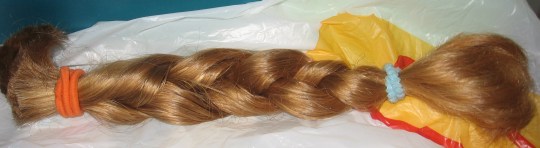
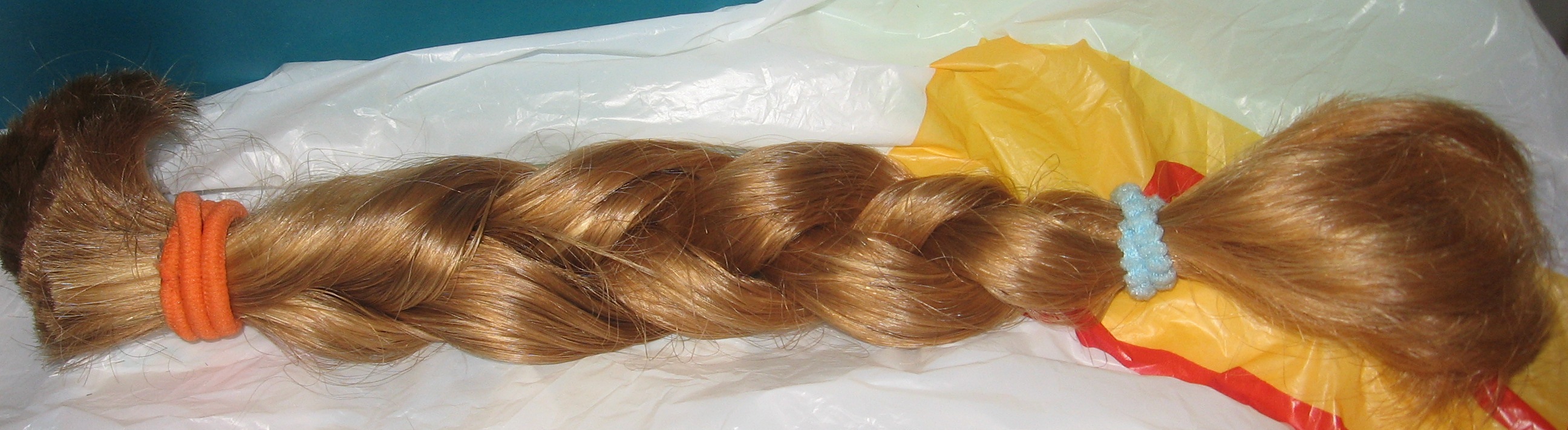
Hair

(a picture of hair sent to Locks for Love)

 “Beauty for people is an overpowering stimulant. Whether the beauty comes from natural sources or from people’s hands, no matter, the effects on one’s senses is intoxicating. The drive to build useable objects such as highways, buildings, and smaller, practical objects is partnered with the desire to build them aesthetically. When objects are built for usability only, they are valued less than when built for admiration. Sometimes the pursuit of beauty is placed on the wrong objects. For example, trying to change the natural aging of the body in order to pursue an unnatural expectation is foolish. One’s efforts should be placed on beautifying one’s surroundings.”

–          from the chapter “Personal Endeavors” in “The Gift of Intuitive, Dedicated Comfort”.

This blog post lists the effort-worthy things that should occupy people’s drive for beauty.

Community

People live in more than a home; they live in a community. Some people think they have responsibility only for the actual place in which they live. That is not true. They have responsibility for the appearance of the area in which they live.

This fact even applies to temporary dwellers.  Temporary dwellers are in a state of flux geographically, but their need for beauty does not change. As a matter of fact, they might need it more because of the transient nature of their current situation.

People should do whatever they can to beautify their community, be it through planting trees, flowers and plants, contributing to community efforts to maintain the community, cleaning as needed (picking up trash, cleaning up after one’s pet, and moving obstructions), and taking interest in the happenings of the community that affect its appearance.

Garden

Connecting with nature is vitally necessary for people’s health. Taking the time to beautify a garden or a windowsill or a path at one’s home is important. Important for a person’s sense of aesthetics, important for a person’s connection to nature.

Post 97-flower arrangements3


Home

Taking the time to beautify one’s home is time elevated. People require beauty around them, and their home is the main surrounding environment. Beautifying one’s home includes spending time understanding the furnishings and decorative items that make the person happy, not just buying what is in fashion. Even temporary dwellers should make efforts to beautify their temporary dwelling.

One’s countenance

Countenance means the expression on one’s face, but it also means the presence a person emits as they go through life. A smile on the face that is sincere is beautiful. Wearing clothes that make the wearer feel a smile inside their body is beautiful.

Feeling a sense of importance is beautiful—not that the person is an ambassador or a well-paid executive—no! The sense of importance comes from knowing that one’s being is important—the importance that is naturally infused in people when they are born and stays if they are not damaged too much by circumstances or people. Knowing that the life inside is worthy of viewing as beautiful.

Maintaining a beautiful countenance requires caring properly for the body, participating in activities that bring uplifting feelings, and awareness of one’s abilities and accomplishments.

Atmosphere in one’s home, one’s place of work, and one’s selected activities

Having beautiful objects in one’s home is not enough. If there is anger or hurt in the air, the beautiful objects are tarnished. People’s feelings are more important than the inanimate objects.

Efforts should be made to beautify a workplace. The most important way to beautify a workplace is by bringing in plants and planted flowers. Inanimate plants and flowers don’t count. People should take the time to care for plants in their workplace because the plants give more than people realize. The atmosphere at the workplace should also be kept beautiful: building confidence rather than being hurtful, lending a hand rather than brushing off, speaking kindly rather than attacking, and so on.

The atmosphere at activities can also be beautified when people work together, encourage each other, and smile at one another.

Conclusion

Beauty is found everywhere and in tangible and intangible things. To live beauty is to live with openness, kindness, and curiosity. To be beautiful is to live in acceptance and awe of oneself and one’s life.

Potential, waiting


Blog 66-Compassion

Potential is a motivator and an obstruction. Potential gives opportunity to create, affect, and accomplish when the potential is realized. Realizing potential is possible for all through self-discovery, self-motivation, and self-discipline. Each of these personally executed processes (self-discovery, self-motivation, and self-discipline) is necessary for fulfilling one’s talents, although distractions and excuses halt success.

Distractions and excuses are self-inflicted even when they appear to come from external sources. The main reason for allowing distractions and excuses to hinder is being overwhelmed by potential (the obstruction). All people have potential to reach goals. Large goals. Satisfying goals. This ability to achieve can frighten when the potential seems overwhelmingly high—like staring up a mountain that is very steep with no footholds to support.

Potential is instilled with the soul, and it differs from person to person. People who are born with mental handicaps have potential that is resized for their abilities. People who are born with moderate physical handicaps have the same potential had they been born without the handicaps.

Reaching potential requires awareness. Awareness of talents and awareness of interests. Sometimes the awareness is not available because society and early childhood caregivers quashed the early-on expressions of individual talent (sometimes done intentionally and sometimes done caringly [meaning that a caregiver meant well]). Sometimes the awareness is not available because of personal causes: letting distractions distract, letting others choose, letting time slip by, or being envious. Awareness is just the first step though.

Whether or not a person reaches potential, life can still be meaningful and satisfying. By taking the time to feel what is fascinating and what is self-fulfilling, a person can create a path that has personality.

Light and Fluffy

Cotton

Cute messages, catchy phrases, light lessons. These delivery methods propel information.

Deeper, meaningful texts require time and intellectual investment.

The information presented in my blog—not light, not fluffy. Sometimes cute, but sometimes stern. Catchy word play occasionally.

The information presented in my blog—spiritually inspired, spiritually connecting. The wording is not my own nor are the ideas expressed my ideas. I am the formatter and the decipherer of the information. The weight of the words is much greater because the words come through me, but not from me.

Here is a reminder from Spiritual Presence:

“People fill their limited time with unimportant and un-elevating wispy-fluff. They don’t realize the effects of empty and valueless time wasters. They think their choices have value, interesting dimensions, and resulting effects. Most often their choices have deficiency, narrow borders, and insignificant effects.

Wispy-fluff. Vanity of vanities. Empty undertakings.

Truly there are ways to live, ways to choose, ways to show love, ways to show affection, ways to transmit rules and requirements, and ways to interact with the environment. One simply has to decide to live in a sustaining and non-damaging manner. The choice is available to all.”

–    from Pond a Connected Existence

The forty contributors to ill health and to possible…

Forty

In modern societies, there are 40 reasons that a person becomes deceased too early or suffers too much. Here are the reasons in the order in which they contribute (accidents and disasters are not included):

  1. Overconsumption of alcoholic beverages
  2.  Sleep deprivation
  3.  Misuse of legal drugs
  4.  Depression
  5.  Insufficient regular movement of the body
  6.  Overuse of cigarettes
  7.  Insufficient protection from the elements (cold, heat, etc.)
  8.  Chronic insufficient consumption of water
  9.  Overconsumption of food
  10.  Insufficient exposure to the environment (nature)
  11.  Worry, fear, and anguish
  12.  Suppression of negative emotions (worry, fear, and anguish)
  13.  Hurt feelings
  14.  Blood pressure pressures
  15.  Isolation
  16.  Genetics
  17.  Misjudgment of self-boundaries (When relating to other people, not understanding how to bond. When relating to tangible items, not understanding limits and excess.)
  18.  Insufficient intake of vitamin-rich foods
  19.  Memory loss
  20.  Insufficient intake of mineral-rich foods
  21.  Digestive disturbances
  22.  Elimination issues, such as constipation
  23.  Too much dependence on approval from others
  24.  Inadvertent consumption of foods that cause allergic reactions
  25.  Overexposure to toxins
  26.  Sense of unworthiness
  27.  Misuse of illegal drugs
  28.  Purposelessness
  29.  Sadness
  30.  Misjudgments in sexual relations
  31.  Lack of trust in one’s intuition
  32.  Chronic under-usage of the thinking capabilities
  33.  Overemphasis on physicality
  34.  Anger
  35.  Jealousy
  36.  Eating too little
  37.  Indifference
  38.  Overusing the body physically
  39.  Feelings of devaluing others
  40.  Choice inundation

 You may have noticed that shallow breathing and other breathing issues are not on the list. Improper breathing results from many of these issues so that breathing, or rather, incorrect breathing, is often part of the causes.

Just show NO to animal testing


Beagle-save beagles

(This picture is from the Beagle Freedom Project website.)

I just watched a moving video about beagles that have been released from their cages after having lived their entire lives in cages because they were used in animal experiments for people products.

The video prompted me to ask Spiritual Presence about animal testing, and the answer I received is straightforward. Here is the answer:

If people would use natural products, there would not be a need for testing on animals.          I’ll repeat that sentence, If people (us) would use natural products, there would not be a need for testing on animals.          I’ll repeat the sentence again: If people (each and every one of us) would use natural products (even if they cost more or require more work on our part), there would not be a need for testing on animals.

Steps to rely less on animal-tested products
  • Maintain your health so you don’t get diseases that require medications that were developed using animal testing. This step is simpler than you think. Look at the post on aging well: https://energy-guidance-complete.com/2014/05/20/health-throughout-aging-post-7-2/
  • If you are ill, try using natural healing products first and only if they don’t help after a reasonable amount of time, use the possibly animal-tested products.
  • Use natural cleaning products. Vinegar is a wonderful cleaning agent. Look it up on the Internet.

Making these changes is small in comparison to what it does for the animals that are used for our “betterment”. As stated in The Gift of Intuitive, Dedicated Comfort:

 “Intuitively, we must live as if we understand that our lives are gifts to the world, that we are here to link ourselves with the rhythms of the world, that we are caregivers of others and of the creatures and natural elements of the world, that our presence brings betterment to the world, and that each step we take resonates with the knowledge of our responsibilities.”

This area is one in which individual buying habits can make a difference. This area is one in which caring for oneself affects other aspects of the world in myriad ways.

Spread the word!

Treatment for Hunger

Post 13-screen beans supporting

When you feel hungry—hungry for affection, hungry for purpose, hungry for notice—the treatment is involvement—involvement in the lives of family and friends, involvement in community, involvement in activities in nature, involvement in active pursuits.

When you feel “hungry” for foods that have taste appeal, but little nourishment, the treatment is also involvement—involvement in activities that nourish the desire for an interesting life. These activities also include being with family and friends, taking part in communal activities, bringing nature closer, and being physically active.

Post 100-foods

When you feel hungry for purposeful living, the treatment is all the things mentioned above and also exploration of spiritual connection.

Hunger is a good thing when it leads to satiation that is appropriate for the hunger type. Nourishment through foods that are meant to be eaten, activities that are meant to uplift, and connections that are meant to bring security and well-being.

Hearts

Water, just water

Water

Many people suffer from afflictions that could be healed or lessened by drinking water at regular intervals. Water is the basic external requirement that we need in order to live.

“Water is necessary to sustain life. That’s a fact that must be accepted. Coffee is not necessary to sustain life, nor are carbonated beverages. Water, unless it is tainted, maintains life; carbonated beverages make life sluggish. Water quenches thirst; coffee creates thirst. Water is the only drink that the body truly desires. A body that is confused desires other drinks. Water helps the body perform its wondrous functioning. The other drinks make the body work harder.”

– from Vitality!— How to Create a Life That Is Healthy (soon to be released).

The purpose of this blog post is to remind you to drink water. Look at this blog entry for details: https://energy-guidance-complete.com/2014/01/26/how-important-is-water/

Quenching!


Sometimes the Least Boisterous Person is the True Star—The Dos & Dont’s of Notice


Attention

(taken from my article of the same title on HealingAnswers.com)

In a gathering, there usually are the people who stand out. They generate more buzz, they attract attention. There are the people who mill around the buzz-makers and there are the people who make the buzz in the background.

The background buzz-makers are the real ones to follow, but they often don’t make the fuss that generates the action. These people do acts of kindness, make others comfortable, fulfill the role of support provider, and consider the needs of society. These people understand that they are obligated: obligated to care for their families and their community and obligated to remember the needs of the environment and of the creatures that inhabit the Earth.

There are stand-out individuals who not only generate buzz in the limelight, but also fulfill their obligations in much-larger-than-self ways. They, and the less visible obligation-fulfillers, receive notice in the spiritual realm where one’s actions really matter.

This blog post provides the Dos and Dont’s of getting noticed for behavior deserving of notice.

DO:  Fill your time with sustaining activities

Here are a few examples of sustaining activities from Pond a Connected Existence:

Spending time with loved ones! Playing with babies! Teaching children in the customs and traditions of one’s forebears! Singing! Dancing! Singing well! Singing flat! Artistic expression! Preparing healthful meals! Picnics!  Family gatherings! Gatherings of friends! Gatherings of people for life events—sad ones and happy ones!… Working with gusto! Working with integrity! Working in unison and working alone! Group activities that have a higher purpose! Group activities that bring enjoyment! Walking! Running! Jumping! Riding a bike! Riding a wave! Swimming! Moving for fun and moving for health! …

DO: Take care of the environment

Taking care of the environment includes planting plants, trees, and flowers. It also includes not littering and not being wasteful with the Earth’s resources.

DO: Take part in activities that bring betterment to the community and to the less fortunate

No matter how busy you think you are, you are not too busy to help out with a volunteer organization in your area (unless you are attending to a terminally ill family member which is consuming all of your time).

DO: Smile, even when smiling feels forced

A smile lifts the spirits of those who see the smile and the one who wears the smile. As an experiment, sing a song while not smiling and then sing the song again while smiling. Smiling simply changes one’s mood and one’s influence on others.

DON’T: Smile at a person if you are thinking bad thoughts about them

A fake smile cannot necessarily be detected by others, but it is recorded in the spiritual realm. Pretending to be happy when someone makes you unhappy is the incorrect approach. If someone really affects you in a negative way, either try to limit exposure to this person or try to change the dynamic.

DON’T: Fill your time with non-sustaining activities

Non-sustaining activities include small things like watching too much TV, playing too many computer games, eating junk food, complaining about inconveniences. Larger non-sustaining activities include things like participating in aggressive behavior towards other people, other creatures, or the environment; eating too much food; focusing on the lives of people who have no true relevance in one’s life (for instance, following the movements of a celebrity or keeping tabs on old love interests); pretending to like one’s job or partner or pastimes or this or that, when one is unhappy… – “Pond a Connected Existence”.

DON’T: Say no when asked to help just because you want more free time

Obligation to one’s community is much larger than many people think. Taking part in elections, taking part in cleaning up, taking part in communal rituals—these are the basic obligations on all. Beyond those acts, one should participate in bettering the community.  – “Pond a Connected Existence”

Saying no when help is needed does not earn notice where it matters. If you are feeling too tired, rather than lessening your sustaining activities, examine your less sustaining activities and consider lessening them.

DON’T: Be wasteful

Appreciate what you have. Don’t be greedy with your desires. In general, people want more than they need so try to be reasonable in your usage of resources that are not easily replenishable.

Conclusion

The notice being discussed here is not notice by the people seeking excitement. It is notice in the spiritual realm that considers the actions of people and provides spiritual connection or not.

The more a person strives to bring balance to himself or herself and to the family, community, and neighboring environment, the more possibility of spiritual connection and guidance. Balance within and with all lead to life lived purposefully and with spiritual connection.